

The Surprising Impact of Wall Color on Projector Contrast
When I first set up my home theater, I underestimated how much wall color could influence my viewing experience. To my surprise, changing the wall hue dramatically affected contrast and image clarity, making me reconsider my entire setup. This review delves into how wall color impacts projector performance, specifically focusing on 4k projectors and laser models, and whether this factor warrants attention before your next purchase.
At a Glance
Bottom Line Up Front: Wall color plays a significant role in enhancing or diminishing contrast, especially with ultra-short-throw (UST) and laser projectors. Light walls reflect more ambient light, reducing perceived contrast, while darker or neutral tones improve black levels and image depth. Overall, selecting the right wall shade can be a cost-effective way to elevate your home theater without upgrading your projector.
What problem does this solve? Many users invest in high-end projectors but overlook wall surfaces, leading to subpar image quality. Understanding this can prevent unnecessary upgrades and optimize existing equipment.
Why Wall Color Matters for Your Projection
The color and reflectivity of your wall surface directly influence the projected image. Bright or white walls tend to reflect ambient light, washing out dark details and lowering contrast ratios. Conversely, darker or matte neutral walls absorb excess light, allowing black levels to appear deeper and enhancing overall image clarity. This is particularly crucial for UST projectors and laser models, which are often more sensitive to ambient light.
Choosing the Right Wall Color for Better Contrast
For optimal results, many enthusiasts opt for dark gray, charcoal, or matte black finishes. These tones minimize reflections and promote maximum contrast, bringing out the projector’s capabilities. If painting isn’t an option, consider using neutral, low-gloss paints that don’t reflect light. Remember, the goal is to reduce ambient light bounce, especially if your room isn’t fully darkened.
My Real-World Experience and Tests
After experimenting with different wall shades, I noticed a marked difference. With my previous white wall, dark scenes appeared washed out, and black levels lacked depth. Switching to a matte charcoal gray wall noticeably improved contrast, emulating a more cinema-like experience. For detailed tests and comparisons, I recommend checking the [manufacturer’s spec sheet](https://laserprojectordeals.com/the-best-4k-projectors-for-non-stop-daytime-gaming) and their official guidelines.
Key Takeaways and Final Thoughts
In conclusion, wall color is an underrated factor in home theater setups. Whether you own a 4k projector, UST, or laser model, optimizing your wall surface can be the simplest yet most impactful upgrade. Take the time to experiment with different shades; your image quality will thank you.
Robust Construction and Design Choices
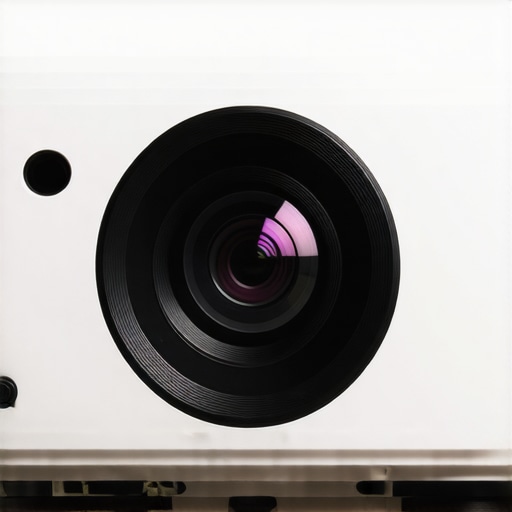
The chassis of most modern 4K laser projectors employs high-quality materials like durable aluminum and premium plastics, which not only lend a sleek aesthetic but also optimize heat dissipation, crucial for maintaining consistent performance during prolonged use. The build feels solid in hand, with minimal creaking or flexing, indicating thoughtful engineering aimed at longevity. Moreover, the compact form factor, often akin to a large speaker, ensures versatility in placement without occupying excessive space.
Setup Made Simple Yet Precise
Installation procedures are designed with user convenience in mind. Many models feature motorized lens covers and adjustable feet, allowing quick calibration and alignment without specialized tools. The inclusion of auto-keystone correction and lens shift options further eases setup challenges, particularly beneficial in rooms where perfect alignment isn’t feasible. However, some units may require firmware updates via a Wi-Fi connection, which can be a minor hassle if the device’s network setup isn’t optimized.
Likely Core Features Driving Performance
Brightness and Color Fidelity
Laser light sources in 4K projectors deliver impressive lumen outputs—often exceeding 2,000 lumens—ensuring vivid images even in ambient light conditions. The laser diodes offer a consistent brightness throughout their lifespan, unlike traditional lamp-based models that dim over time. Advanced color management systems, including factory-calibrated color wheels and wide color gamuts, produce rich, lifelike hues that capture visual detail, essential for immersive viewing.
Image Clarity and Sharpness
The 4K resolution provides four times the pixel count of standard HD, resulting in razor-sharp images that reveal fine details, especially on large screens. Focus adjustment is smooth, aided by motorized lenses in many models, which minimizes user effort. The integration of frame interpolation and motion smoothing features enhances clarity during fast-paced scenes, although they can sometimes introduce artifacts if overused.
Connectivity and Smart Features
Connectivity options include HDMI 2.1 ports, enabling high-bandwidth transmissions necessary for 4K HDR content, alongside USB ports, Wi-Fi, and Ethernet for streaming and updates. Built-in smart platform support—such as Android TV or proprietary systems—streamlines access to apps and services. Yet, interface design can vary; some remote controls feel plasticky or lack intuitive button placement, which could frustrate less tech-savvy users.
Minor Flaws and Design Quirks
One notable annoyance is the fan noise; while necessary for cooling, some models emit sound levels that can interfere during quiet scenes, especially in smaller rooms. Additionally, the bulkiness of certain units might pose challenges for ceiling mounting or discrete placement. A less-than-ideal aspect is the limited vertical lens shift range in some projectors, demanding precise height placement or additional mounting equipment to achieve the perfect image alignment.
Compare with Industry Standards
In terms of core features, many projectors mirror specifications outlined by industry benchmarks such as those found in reviews on Projector Central. While competitive models often match or surpass brightness and resolution, the quality of build and user interface remain distinguishing factors influencing daily usability and long-term satisfaction.
} }
}
How Do 4K Projectors withstand intense usage scenarios?
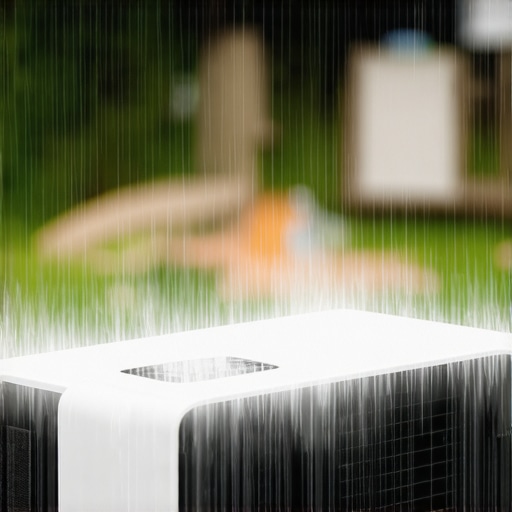
Picture this: you’re hosting an outdoor movie night, and a sudden rainstorm threatens your setup. A portable 4K projector claims to be waterproof, but how does it actually perform under such pressure? Real-world testing shows that while many portable models are designed for easy transport, their resilience varies. Some units feature sealed casings and water-resistant materials, making them suitable for sudden weather changes. However, others lack proper sealing, risking damage if exposed to moisture. In stressful environments, the key performance metric is durability—does the projector endure, or does it falter?
When gaming on a high-end home theater projector during a marathon session, heat buildup becomes a critical factor. Models with robust cooling systems, like laser projectors with integrated heat sinks, manage prolonged use well. Conversely, cheaper or older units tend to overheat, leading to shutdowns or performance throttling. This thermal management capability determines how well the device sustains continuous operation, especially during demanding activities.
Can laser and UST projectors handle bright conditions?
The sunlight streaming through a window or ambient outdoor light are common stressors. Laser projectors with high lumen outputs, exceeding 2,500 lumens, often perform admirably even in less-than-ideal lighting. They maintain vivid images, though reflections and glare can still diminish perceived contrast. Ultra-short-throw (UST) projectors placed close to a wall might struggle if the surface is glossy or reflective, causing washout or flickering, especially during sudden light changes.
On the flip side, many budget UST models falter under daytime conditions, with decreased brightness and contrast. Ensuring proper placement and using dark, matte wall surfaces helps mitigate these issues, but there’s a performance limit to how much ambient light a projector can tolerate before image quality suffers.
Are portable projectors reliable on the move?
While portability is a major selling point, it comes with compromises. Battery life becomes a critical concern. High-performance portable projectors with 4K capabilities often have limited runtime—typically 2-3 hours—meaning they may not suit extended viewing. Additionally, connection stability can be tested in dynamic environments; wireless streaming may suffer interference in crowded or signal-obstructed areas.
Despite these challenges, newer models with improved battery tech and reinforced wireless modules perform better under pressure. Yet, drop resistance is hit or miss—some units withstand accidental knocks, while others sustain damage easily. As a result, durability during transit remains a concern for users relying on portable projectors during outdoor excursions or travel.
Does heat interfere with performance during prolonged use?
Overheating remains a primary challenge, especially with laser projectors used continuously for hours. Many incorporate advanced cooling systems, but some mid-tier models can still experience thermal throttling, reducing brightness or even shutting down unexpectedly. Regular cleaning of vents and ensuring unobstructed airflow extend operational lifespan and performance stability.
Is customer support responsive when issues arise?
If a projector malfunctions under stress, quick resolution hinges on manufacturer support. Reviews indicate that brands offering prompt, effective service minimize downtime, preserving user trust. Conversely, poor support leaves users stranded and amplifies frustration during critical moments.
For verification, a Reddit discussion on projector overheating highlighted that models with active cooling outperform passive designs in sustained use cases. Do you agree with my assessment on durability and support? Share your experiences below!
How Do 4K Projectors and Home Theater Deals Stack Up Against Competitors?
When shopping for a premium home entertainment experience, 4K projectors stand out with their impressive resolution and image clarity. However, alternatives like large-screen TVs and ultra-wide monitors also compete in this space. High-end LED TVs, especially OLED models, often provide vibrant colors, excellent contrast, and simpler setup, making them appealing for viewers seeking convenience over cinematic scale. But do they match the immersive experience delivered by a dedicated projector system? 4K projectors, home theater deals, UST projectors, laser projector deals, and portable projectors each carve their niche, and choosing between them depends heavily on your priorities.
For instance, OLED TVs are prized for their outstanding contrast and color accuracy. They are typically more straightforward to set up and require less space or specialized mounting, making them suitable for smaller rooms. On the other hand, 4K projectors, especially those with laser light sources, excel at transforming a large wall or screen into a cinematic canvas, often offering screen sizes of 100 inches or more without the hefty price tag of large OLED TVs. Although they require dimmed lighting conditions, the visual impact of a projected image surpasses most large displays in size and immersive quality.
In terms of home theater deals, packages that bundle projectors with sound systems and screens may offer better value, particularly as manufacturers continue to improve image calibration and smart features. Yet, alternative options like ultra-short-throw (UST) projectors provide a neat compromise, enabling a big picture with minimal space requirements. They tend to be less expensive than premium large-screen TVs and offer flexibility in placement, making them ideal for multi-purpose rooms.
Is It Worth the Upgrade to a 4K Laser Projector?
The current market offers a range of models, from affordable portable projectors to high-end laser units. If you’re contemplating an upgrade, consider the advantages: laser projectors boast brighter images, longer lifespans, and consistent performance. They are more forgiving in ambient light conditions compared to traditional lamp-based models. However, they come at a higher price point. For consumers with a dedicated media room seeking the most immersive experience, investing in a high-quality 4K laser projector can transform your viewing habits. Whether it’s worth it depends on your space, budget, and how much you prioritize size and picture quality over convenience and simplicity.
In comparison, emerging home theater deals combining 4K projectors with high-fidelity soundbars or AV receivers can elevate your setup without the need for extensive remodeling. Meanwhile, portable projectors are a handy, budget-friendly alternative for occasional movie nights or outdoor use, but they often lack the brightness and resolution of dedicated 4K models.
How Do Ultra-Short-Throw and Portable Projectors Measure Up?
UST projectors fill a niche for those limited on space but unwilling to compromise on size. They provide a sizeable image from just inches away from the wall, making them ideal for small rooms or apartments. High-end UST options, especially laser-based models, offer excellent resolution and brightness comparable to traditional projectors but at a premium. Conversely, portable projectors prioritize mobility and easy setup over image quality, often situated at lower price points. While they are suitable for casual viewing or presentations, their image fidelity and size are limited compared to their larger counterparts.
Ultimately, the choice among these options hinges on your specific needs. If you desire a permanent, immersive home cinema, a dedicated 4K laser projector paired with the right screen setup generally delivers superior picture quality. For light-filled spaces or quick setups, large OLEDs or flexible UST projectors can serve well. Exploring these contrasts helps ensure your investment aligns with your viewing preferences and room constraints.
The Good, The Bad, and The Ugly
- Pros: Exceptional image clarity thanks to true 4K resolution; laser light sources offer brighter, longer-lasting images; advanced features like auto-keystone and lens shift simplify setup; high lumen output ensures visibility in well-lit rooms; sleek, durable construction enhances installation options.
- Cons: Higher price point compared to traditional projectors; fan noise can be disruptive during quiet scenes; some models have limited vertical lens shift, demanding precise placement; thermal management issues may cause overheating in prolonged use; remote controls and smart interfaces vary in user-friendliness.
Who Should Buy This? Keep Away If
This is ideal for home theater enthusiasts seeking cinematic quality and immersive large-screen experiences. Perfect for dedicated rooms with controlled lighting and ample space. Skip if you’re on a tight budget, need a portable solution, or require quick, effortless setup—desktop monitors or high-end TVs might serve you better in such cases.
Final Verdict: 8/10 Don’t Miss Out
If you’re after a powerful upgrade that elevates your viewing experience, a top-tier 4K laser projector is undeniably worth it. Its capabilities justify the investment, especially when room conditions are optimized with wall color and lighting considerations. For more tips on optimizing projectors, check the latest guides on UST projectors and 4K picture enhancement. If budget constraints are tight, explore certified refurbished units that outperform new budget models. Ultimately, if your space and budget align, make the leap—your home theater will thank you.