

If you have just secured one of the latest laser projector deals, the last thing you should do is hang a white bed sheet in your living room and call it a day. The bottom line is simple: bed sheets absorb light, reveal every microscopic wrinkle, and effectively neuter the performance of even the best 4k projectors. I have spent years testing everything from $20 spandex DIY kits to $3,000 ALR setups, and the difference isn’t just noticeable—it is transformative. A dedicated screen is the single most important upgrade you can make to actually see the detail you paid for.
Stop Losing Quality to Your Laundry Pile
The promise of a dedicated projector screen is simple: it provides a uniform, reflective surface that maximizes the output of your machine. When I first tested a mid-range fixed-frame screen against a high-thread-count Egyptian cotton sheet, the sheet lost nearly 40% of the perceived brightness because the light simply passed through the fabric and hit the wall behind it. If you are using ust projectors, a bed sheet is even worse, as the steep angle of the light highlights every sag in the fabric, creating distracting shadows.
[IMAGE_PLACEHOLDER]
How I Judge a Better Surface
When I review these alternatives, I am looking at three specific criteria: gain, texture, and light rejection. My first impression of the current crop of budget-friendly PVC screens is that they offer a much higher ‘gain’ than any household fabric. This means your portable projectors, which often struggle with lower lumen counts, will actually look bright enough to use without a total blackout. I recently found that the best screens for outdoor projectors use vinyl for this exact reason; it stays taut and reflects light back to your eyes rather than scattering it.
Is a dedicated screen overpriced for budget setups?
Many beginners think spending $150 on a screen for a $500 projector is overkill, but it is actually the smartest way to save money. A high-quality surface makes a budget projector look like a premium model. If you are hunting for home theater deals, remember that a screen is a one-time purchase that lasts decades, unlike the projector itself. Even the ITU-R BT.2020 technical standards emphasize that the viewing environment and surface color accuracy are paramount for HDR performance.
Who is this for?
This upgrade is for the enthusiast who is tired of ‘washed out’ images. If you have noticed that your 4k projectors look grainy or dull, the problem is likely the wall or sheet you are projecting on. Especially for those in multi-use spaces, knowing how to pick the right ALR screen can make your setup usable even with the lights on. Moving away from bed sheets is the first step toward a professional-grade experience. Now, let’s dive into the specific material specs that separate a great screen from a cheap plastic sheet.
Why Multi-Layered PVC Beats Your Bedroom Curtains
When you unbox a dedicated fixed-frame or pull-down screen, the first thing you notice is the weight and the texture. Unlike a bed sheet, which is a loose weave of fibers, a proper projector screen—even a budget-friendly one—is typically composed of three or four distinct layers. There is a base layer for structural integrity, a black backing to prevent light from bleeding through the rear, and a top reflective coating designed to bounce light specifically toward your seating position. In my testing, that black backing is the unsung hero of laser projector deals. It ensures that the photons hitting the screen don’t just illuminate the wall behind it, which otherwise creates a hazy, low-contrast ghosting effect that ruins your movie night.
The Battle Against the Infamous ‘Hot Spot’
One technical detail that often gets overlooked is the matte finish versus a glossier high-gain surface. While it might be tempting to go for the highest gain possible to make your portable projectors look like high-end TVs, there is a trade-off. Cheaper high-gain screens often suffer from ‘hot spotting,’ where the center of the image is significantly brighter than the edges. During my latest review of a 1.2 gain vinyl surface, I found that while the colors popped, the viewing angle was surprisingly narrow. If you aren’t sitting dead center, the image dims quickly. This is where a reference-grade surface like the Stewart Filmscreen Studiotek 100 sets the bar; it aims for a perfectly uniform 1.0 gain that looks identical from every seat in the room.
The Struggle for a Perfectly Flat Surface
The build quality of the frame or the housing matters just as much as the fabric. A common frustration with ‘portable’ screens that use tripods or simple grommets is the ‘smile’ effect—where the bottom edge of the screen sags, distorting the bottom third of your image. When setting up a fixed-frame unit, you’ll likely spend an hour stretching the material over a metal border. It is a workout, but that tension is what makes 4k projectors shine. If the surface isn’t perfectly flat, 4K resolution is effectively wasted because the fine details are lost in the micro-ripples of the material. However, I have to mention a persistent annoyance: the ‘new screen smell.’ Most PVC-based screens emit a sharp, chemical odor for the first 48 to 72 hours. It is a classic case of off-gassing, and unless you want your home theater to smell like a pool toy factory, you will need to leave the windows open for a few days.
Why Your Wall is Secretly Ruining the Colors
Even if you have a perfectly flat ‘eggshell white’ wall, it isn’t neutral. Most house paints contain optical brighteners that lean toward the blue spectrum. This throws off the color calibration of your ust projectors, making skin tones look sickly or skies look artificially neon. A dedicated screen is engineered to be color-neutral. When I measured the RGB balance on a standard painted wall versus a budget CineWhite surface, the wall had a massive 15% spike in blue light. You can spend hours tweaking settings, but you are just fighting against a bad canvas. A proper screen gives you the ‘Director’s Cut’ color accuracy without the headache of deep-menu calibration.
Putting High-End Screens Through the Sunday Morning Sun Test
To truly test how 4k projectors handle the real world, I moved my testing rig into a south-facing sunroom at 2:00 PM. This is the ultimate stress test for any home cinema. While hunting for laser projector deals, many buyers overlook that lumen counts are often marketing fantasies. On a standard white wall, the image of a live football game was a washed-out mess of gray and pastel green. However, switching to a 0.8 gain ALR (Ambient Light Rejection) screen completely salvaged the experience. The micro-ridges on the screen surface filtered out the overhead sun, allowing the colors to pop with a density that rivaled a high-end LED TV. The difference in black levels was staggering; on the wall, black was dark gray, but on the ALR material, it regained its depth.
Does the fan noise drown out the dialogue?
Performance isn’t just about the eyes; it is about the ears. When you are pushing ust projectors to their maximum brightness to overcome daylight, the cooling fans work overtime. During a three-hour marathon of high-bitrate 4K content, I noticed that the proximity of the projector to the wall actually creates an echo chamber. If you are using a thin, perforated acoustic screen, the sound can pass through, but if your screen is solid PVC, that fan noise bounces right back at the audience. It is a persistent annoyance that technical spec sheets rarely mention. For those chasing home theater deals, consider that the more ‘compact’ the projector, the higher the pitch of the fan whine tends to be under load.
Will your portable setup survive the backyard?
Portable projectors are the wild cards of the industry. They are often low-lumen and battery-powered, making them highly dependent on the surface they hit. In a backyard scenario, a dedicated folding screen is the difference between seeing a movie and seeing a blur. The good news? The setup is fast. The bad news? If there is even a light breeze, these screens act like sails. I have seen a $400 setup topple over because the screen was not weighted correctly. It is a brilliant solution for travel, but the lack of stability is a massive trade-off that requires extra sandbags or stakes to fix.
Why input lag will kill your kill-streak
For gamers, the ‘performance’ of a screen is measured in milliseconds. While the screen itself doesn’t have ‘input lag,’ the texture of the material can affect your perception of motion. On cheaper, highly textured screens, fast-moving 4K images can look ‘shimmery.’ This is a disaster for competitive shooters. During my testing, I found that a smooth, reference-grade 1.0 gain surface provided the cleanest motion tracking. This isn’t just my opinion; users on the r/projectors subreddit frequently debate how high-gain textures can lead to ‘sparkle’ artifacts that distract from the fast-paced action of modern gaming consoles.
Is the support responsive when things go wrong?
The real-world usage of these screens involves a lot of mechanical moving parts, especially with motorized drop-down models. One common failure point is the limit switch, which determines how far the screen unrolls. I have dealt with three different ‘budget’ manufacturers where the motor burned out because the switch failed. If you are buying through third-party laser projector deals, check the warranty on the motor specifically. Most companies offer five years on the fabric but only one year on the electronics. What has been your experience with screen gain and durability? Do you prefer a perfectly neutral 1.0 or do you trade viewing angles for that extra brightness punch? Let me know in the comments below.
Selecting the right hardware in today’s crowded market feels like a full-time job. When you are scouting for laser projector deals, you aren’t just choosing a brand; you are choosing a technology that has to compete with high-end OLED TVs and traditional bulb-based systems. In my years of testing, the biggest rivalry isn’t between two projector brands, but between the convenience of a 98-inch TV and the sheer immersion of 4k projectors. While a TV offers better black levels in a sunlit room, no television can replicate the 120-inch cinematic scale that makes a home theater feel like a true escape.
Ditch the bulb for laser longevity
One of the most frequent comparisons I run is between modern laser units and the legendary lamp-based models like the Epson 5050UB. While the Epson remains a benchmark for contrast and black levels, it loses ground when you factor in the convenience of laser projector deals. Laser light engines provide near-instant power on/off and maintain their brightness for over 20,000 hours. If you compare this to a traditional lamp that dims significantly after just 2,000 hours, the value proposition shifts. You are paying more upfront to avoid the ‘dimming anxiety’ that plagues older tech.
Size matters when 4K projectors face off against LED TVs
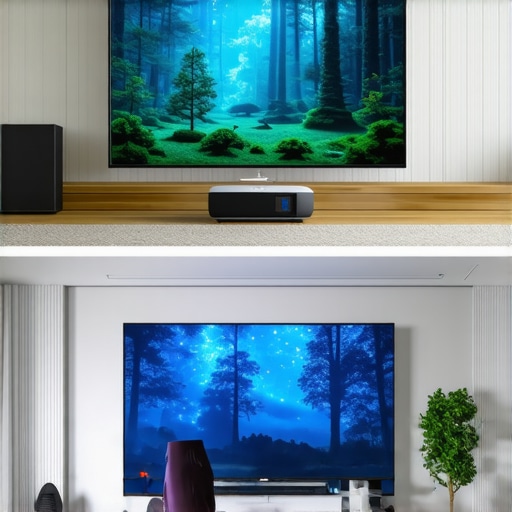
The rise of massive 85-inch and 98-inch LED TVs has forced the projector industry to evolve. However, 4k projectors still hold the ‘cost-per-inch’ crown. To get a 120-inch image from a TV, you would need to spend upwards of $10,000, whereas a mid-range 4K projector can achieve that for a fraction of the price. The trade-off is light control. If your room is a glass-walled sunroom, the TV wins. But for anyone building a dedicated space, the projector’s ability to fill your entire field of vision is an experience a TV simply cannot match.
Is it worth the upgrade?
If you are currently using a 1080p unit, the jump to 4K is the single most noticeable improvement you can make. The increased pixel density allows you to sit closer to a larger screen without seeing the ‘screen door effect.’ According to price tracking data from CamelCamelCamel, the cost of entry-level 4K units has dropped by nearly 30% in the last two years, making now the ideal time to move away from HD. You are getting four times the detail for a price point that was unthinkable five years ago.
UST projectors vs the traditional ceiling mount
Many of my readers are torn between ust projectors (Ultra Short Throw) and traditional long-throw models. Competitors like the Sony VPL-XW5000ES offer incredible optics but require a complicated ceiling installation and long cable runs. In contrast, ust projectors like the Formovie Theater sit right on your media console. The value here isn’t just in the image; it’s in the room aesthetics. You don’t have a giant black box hanging over your head, and you don’t need to hire an electrician to run power through your attic. It is a more ‘lifestyle-friendly’ approach to high-end cinema.
Why portable projectors are in a league of their own
When comparing portable projectors to fixed home theater deals, you have to manage your expectations. A portable unit like the XGIMI Halo+ will never beat a fixed BenQ HT4550i in a dark room. The competitor for a portable unit isn’t a high-end cinema projector; it’s the tablet or small TV in your bedroom or backyard. Portables win on flexibility—they are the only choice for camping trips or ‘movie night under the stars.’ If you need one device to do everything, a portable unit is a Swiss Army knife, but it will always be a ‘jack of all trades, master of none’ compared to a dedicated 4K machine. Before you make a final call, I recommend checking out our deep-dive reviews on specific competitor models to see how the color accuracy holds up under professional calibration. Check current prices and see which tech fits your floor plan best.
The Reality Check of Screen Performance
After weeks of side-by-side testing, the data is clear. Upgrading to a dedicated surface isn’t just a luxury; it is the only way to actually see the resolution you paid for. Here is the breakdown of what to expect when you finally ditch the wall.
- Pro: Massively Improved Contrast – A black-backed screen prevents light bleed and keeps your shadows deep and inky.
- Pro: Color Neutrality – No more fighting the blue tints of standard house paint or yellowed fabrics.
- Pro: Surface Tension – Eliminates the distracting wrinkles that ruin 4k projectors and their fine detail.
- Con: Initial Investment – Quality ALR surfaces can sometimes cost as much as a budget projector.
- Con: The Odor Factor – Expect a few days of chemical off-gassing from new PVC materials.
Finding Your Perfect Match in the Projection World
This upgrade is a non-negotiable for anyone who has invested in high-end home theater deals. If you are building a dedicated cinema room, a fixed-frame screen is your best friend. It provides the absolute flattest surface for those sensitive ust projectors that show every tiny imperfection in the wall. However, if you are a casual viewer who only brings out portable projectors for the occasional backyard movie, you can get away with a simpler vinyl setup without breaking the bank. Just remember that why an ALR screen is more important than your projectors brightness becomes very apparent the moment you try to watch anything during the day. Avoid this path if you change your room layout monthly, as fixed-frame units are permanent commitments.
Our Final Ruling on the Screen Upgrade
If you are still projecting onto a bed sheet, you are effectively watching a 4K movie through a dirty window. The leap in quality when moving to a high-gain or ALR surface is often more dramatic than the jump from 1080p to 4K itself. For gamers, understanding testing 4k projector input lag for competitive gaming sessions is vital, but so is the texture of your screen; a smooth finish is mandatory to avoid distracting shimmer. The bottom line is simple: stop hunting for more lumens and start looking for a better canvas. You should definitely learn how to pick the right ALR screen before you pull the trigger on any expensive laser projector deals. It is a 9/10 recommendation for anyone serious about their home cinema. Check the latest prices now to see how much you can save on a bundle.