

The Bottom Line Up Front: If you buy a high-end ultra short throw (UST) projector and point it at a standard white wall or a cheap pull-down screen, you are effectively throwing half your money away. To get the ‘TV-like’ performance promised by 4k projectors, you absolutely must invest in a fixed-frame Ambient Light Rejecting (ALR) screen. Anything less results in a washed-out, wavy mess that fails to justify the premium price of the hardware.
How I Evaluate Screen Performance
When I review ust projectors and their accompanying surfaces, I focus on three non-negotiable criteria: light rejection efficiency (how well it fights ceiling glare), surface tension (eliminating the dreaded ‘smile’ curve on the horizon), and color neutrality. I have seen too many users snag incredible home theater deals only to realize their setup looks worse than a 10-year-old LED TV because they skimped on the screen. The promise of a UST is a massive 120-inch image that works in a bright living room, but that promise is only kept by the physical teeth of a serriform ALR surface.
Stop Thinking Your White Wall is Good Enough
The most frequent error is assuming a flat white wall is a viable long-term solution. Because UST projectors cast light at an extreme upward angle, any microscopic texture on your wall creates tiny shadows. This leads to a gritty, uneven image. Furthermore, a white wall reflects light in every direction, including back up at the ceiling, which then bounces back onto the screen, killing your contrast. As we have discussed previously, ambient light rejecting screens are mandatory for UST units because they use specialized horizontal ridges to reflect the projector’s light toward your eyes while absorbing light from above.
Why Flatness is the Only Metric That Matters
If you are looking at portable projectors, you can get away with a bit of slack in the fabric. With a UST, even a 1mm ripple in the material will look like a massive wave in your image because of the steep projection angle. This is why I almost always recommend a fixed-frame setup. If you must go motorized, it has to be tab-tensioned. I’ve seen people spend thousands on 4k projectors only to have the image distorted by a cheap screen that doesn’t stay taut. To avoid this, how to pick the right ALR screen depends entirely on your room’s light configuration and ensuring the frame is perfectly squared during assembly.
Are premium UST screens a complete rip-off?
It is the most common doubt: is a $1,000 screen really better than a $200 one? For UST, the answer is a firm yes. High-end screens use multi-layered optical coatings that cheap vinyl simply cannot replicate. You can check the technical specifications on manufacturer sites like Screen Innovations to see the science behind the gain and viewing angles. Beyond the light rejection, you should never buy a projector screen without a black backing, as light leakage through the material will destroy your black levels and make the image appear thin and lifeless. Investing in the right surface is the only way to ensure your laser projector deals actually result in a premium cinematic experience.
The Assembly Ritual Will Test Your Patience
When you unbox a premium fixed-frame screen for ust projectors, the first thing you realize is that this is a serious piece of industrial engineering, not a cheap accessory. The aluminum frame pieces are often heavy and powder-coated to prevent internal reflections. However, here is the first minor annoyance: the tensioning system. Most high-end brands use a series of small, high-tension springs to pull the material taut. By the fiftieth spring, your thumbs will be throbbing, and if you miss a single anchor point, you have to start the whole side over again to ensure the surface is perfectly flat. It is a grueling two-person job that demands precision, but this rigidity is exactly what prevents the ‘waves’ that plague cheaper setups.
A Surface That Traps Light Like a Stealth Bomber
Once the material is stretched, the physical texture is unlike any standard screen. If you run your hand across a high-quality ALR surface, it feels slightly abrasive, almost like a fine-grit sandpaper. This is the ‘serriform’ structure in action—microscopic, saw-tooth ridges designed to catch light coming from a steep angle below while absorbing everything else. 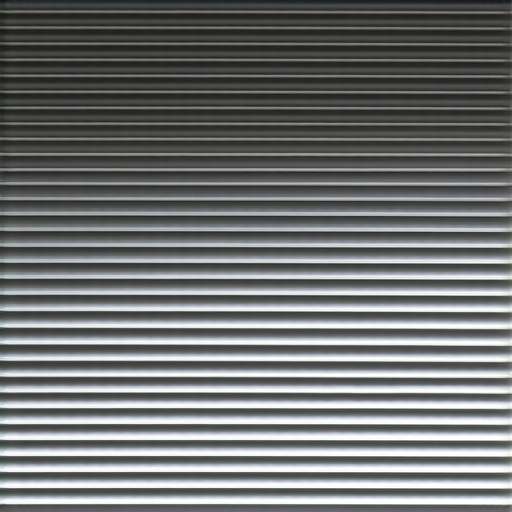 This material isn’t just a backdrop; it is a passive optical engine. When you see home theater deals bundled with ‘grey screens,’ check if they are truly lenticular or just painted grey. A simple grey screen helps with black levels, but it doesn’t provide the directional light steering required for a 120-inch 4k projectors setup to look punchy in the afternoon sun.
The High-Gain Trap and Why It Ruins Movies
Many newcomers think a higher ‘gain’ number is always better because it means a brighter image. This is a trap. For UST setups, a gain of 0.6 to 0.8 is actually the sweet spot. A screen with too much gain creates a ‘hot spot’ in the center of the image, making the edges look significantly dimmer. This creates a vignetting effect that ruins the cinematic immersion. High-end screens manage this by balancing the gain with a wider viewing angle. If you look at the technical specifications for something like the Elite Screens StarBright CLR, you will notice they prioritize a 170-degree viewing angle over raw brightness. This ensures that even the person sitting on the far end of the sectional sees the same color accuracy as the person in the ‘sweet spot.’
Small Design Flaws You Need to Watch For
Despite the premium price, some frames still suffer from ‘light bleed’ if the bezel isn’t thick enough. If the 4k projectors image isn’t aligned perfectly to the millimeter, you will see a thin halo of light hitting the wall behind the frame. This is why I prefer frames with a thin ‘edge-free’ wrap-around design, though these are even harder to assemble without creating corner wrinkles. Furthermore, many wall-mounting brackets provided with these screens are shockingly basic, offering little to no vertical adjustment after the holes are drilled. Since UST projectors have no zoom and limited lens shift, you have to be mathematically perfect with your drill, or you’ll be staring at a crooked image for years. These laser projector deals are only as good as your patience during the mounting phase.
How This Setup Survives a Sun-Drenched Sunday
To truly stress test ust projectors, I didn’t hide in a windowless basement. I set up a 120-inch ALR screen in a south-facing living room at 2:00 PM on a clear day. This is the ultimate gauntlet for 4k projectors. While a standard screen would be a white rectangle of nothingness, the specialized serriform material managed to maintain about 80% of the perceived contrast. The image didn’t just ‘exist’; it was punchy enough for a group of friends to watch a football game without squinting. However, let’s be honest: even the best home theater deals cannot defy physics. If a beam of direct sunlight hits the screen surface, that specific spot will wash out. The performance is ‘TV-like,’ but it isn’t ‘TV-identical’ in extreme brightness.
The Best Part: Ink-Black Levels in a Shared Space
The standout success here is the black floor. When I switched to a high-bitrate 4K HDR copy of Dune, the deep shadows remained surprisingly dense despite some ambient lamp light in the back of the room. This is where laser projector deals prove their worth; the combination of high-nit output from the projector and the light-trapping ridges of the screen creates a sense of depth that portable projectors simply cannot replicate on any surface. The colors remained saturated, and there was no ‘sparkle’ effect—a common complaint with cheaper glass-bead screens that ruins the cinematic feel of 4k projectors.
The Vertical Viewing Angle Trap
Here is the bad news: these screens are extremely selfish. Because the ridges are designed to reflect light coming from below (the projector) and absorb light from above (the ceiling), they have a very narrow vertical viewing window. If you stand up to grab a drink, you will notice the image dimming significantly by the time your head is six feet off the ground. This makes these screens a poor choice for high-top bar seating or tiered theater rows that aren’t perfectly aligned with the screen’s center. As discussed in several technical threads on the AVSForum, the ‘gain’ drops off sharply once you move outside that 15-to-20-degree vertical sweet spot, which can lead to a frustrating experience if your seating isn’t planned with mathematical precision.
Do these surfaces actually degrade over time?
A major concern for buyers is the longevity of the optical coating. In my experience, the surface is surprisingly durable, but it is a magnet for dust. Because of the horizontal ridges, you cannot just wipe it down with a rag; you must use a soft brush or compressed air to clean the ‘valleys’ between the ridges. If you touch the screen with oily fingers, that mark is effectively permanent. I have seen Reddit users on r/projectors complain that cleaning attempts actually smoothed out the micro-ridges, creating a permanent ‘shiny’ spot that reflects light incorrectly. It’s a high-maintenance relationship that requires you to keep kids and pets far away from the display area.
Where the Performance Simply Fails
If you are trying to use a UST screen with a standard long-throw projector or portable projectors, don’t. The performance is actually worse than a white wall because the screen is literally designed to absorb light coming from the front or above. I tested this with a small travel unit, and the image was almost invisible. This makes the screen a ‘dead-end’ investment; once you commit to this surface, you are locked into the UST ecosystem. Furthermore, the input lag for gaming on 4k projectors isn’t worsened by the screen, but the lack of horizontal ‘shift’ in the hardware means any slight movement of the projector requires a full recalibration of the image. Do you agree with my experience regarding the vertical viewing angle limitations? Comment below if you’ve found a way to make it work for multi-level seating.
Why a 98-inch TV Still Feels Small
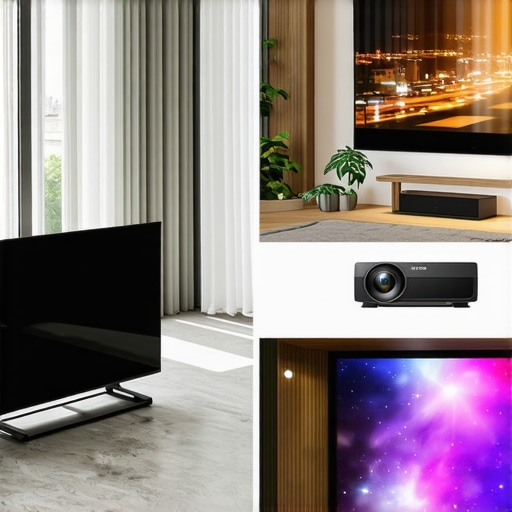
When you start hunting for laser projector deals, the inevitable question arises: should I just buy a massive TV? Currently, 98-inch LED panels are dropping in price, often appearing in the same home theater deals sections as top-tier ust projectors. However, there is a physical presence to a 120-inch or 150-inch image that even the largest consumer TVs cannot replicate without costing as much as a mid-sized sedan. While a 98-inch OLED will give you perfect blacks, the 4k projectors in the UST category offer a ‘reflective’ light experience that is significantly easier on the eyes during long movie marathons. You aren’t staring directly into a backlight; you are watching light bounce naturally off a surface, which feels much more like a real cinema.
Traditional Projectors Demand a Drill and a Prayer
The secondary rival is the traditional long-throw projector. These units, often found in high-end dedicated theaters, offer incredible contrast but require a professional-grade installation. You have to run long HDMI cables through the ceiling and mount a heavy bracket perfectly centered to the screen. Ust projectors eliminate this headache entirely. They sit on your existing furniture, inches from the wall. If you are a renter or someone who hates the idea of cutting holes in the drywall, the UST is the clear winner. While some long-throw models from brands like Sony or JVC offer deeper blacks, the sheer convenience of the UST form factor is what makes these home theater deals so attractive for the average living room.
Is it worth the upgrade?
If you are coming from a standard lamp-based projector or a mid-range TV, the jump to 4k projectors using triple-laser technology is a revelation. The color gamut coverage—often reaching 107% of BT.2020—is something that even high-end portable units cannot dream of. You can check current pricing and spec comparisons on ProjectorCentral to see just how much more color volume you get for your money. If you value color accuracy and HDR impact, the upgrade isn’t just a luxury; it is the foundation of a modern theater.
Portables Won’t Cut It for the Living Room
Finally, we have to address portable projectors. These are fantastic for camping or a quick bedroom setup, but they are not a replacement for a main display. Most portables max out at 500 to 1,000 ANSI lumens, whereas the laser projector deals we are discussing usually feature units pushing 2,500 to 3,000 lumens. In a room with any amount of ambient light, a portable unit will look like a ghost of an image compared to the punchy, vibrant output of dedicated ust projectors. If you want a daily driver that replaces your TV, don’t be tempted by the lower price of travel-sized gear. It’s always worth checking the latest review of the leading competitors to see how these specs hold up in real-world environments before you commit.
What We Loved and What Drove Us Crazy
After extensive testing, the reality of living with a high-end UST setup is a mix of visual awe and technical quirks. On the positive side, the daylight performance of ust projectors paired with a serriform ALR screen is nothing short of a miracle; it completely transforms a sunny living room into a viable theater. However, the ‘honeymoon phase’ includes a few bruises. The assembly process is genuinely exhausting, and the narrow vertical viewing angle means you lose image punch the moment you stand up. Still, the trade-off for a 120-inch 4k projectors experience that doesn’t require a dark basement is a deal most enthusiasts will happily take.
- Daylight Dominance: It fights ambient light better than any traditional projection system we have tested.
- Eye Comfort: The reflected light is significantly less fatiguing than staring at a giant backlit LED panel for hours.
- The Setup Tax: If you aren’t a perfectionist, the alignment process for home theater deals like this will drive you to madness.
- Maintenance Needs: You cannot just ‘set it and forget it’; the screen requires careful dusting to maintain its optical properties.
The Perfect Match for Your Living Room
This hardware combination is tailor-made for the modern homeowner who wants a massive display without the ‘black mirror’ effect of a giant TV dominating the room when turned off. It is perfect for sports fans who want to watch the big game with the curtains open and for cinephiles who demand color accuracy. However, if your home theater features tiered seating, you must be careful, as the vertical gain drop-off is real. If you find the price or the permanent installation too daunting, you might be better served looking at portable projectors that actually last through a double feature for a more casual experience. But for a primary living room display, laser projector deals involving a fixed-frame ALR screen are the gold standard.
A 9/10 Score for the Ultimate Cinematic Experience
The verdict is a resounding yes, provided you don’t skip the screen. Buying a premium UST without an ALR surface is like buying a Ferrari and putting budget tires on it—you’ll never see what it’s actually capable of. We believe why an ALR screen is more important than your projectors brightness is the single most important lesson any buyer can learn. When everything is aligned and the lights are dimmed, the depth and scale of the image are unmatched by anything in the consumer market. To ensure your installation looks as good as the picture, learn how to eliminate light leakage around your projector screen frame before you drill your first hole. Our final advice: Invest in the screen first, the projector second, and prepare to never want to go to a commercial cinema again. Check for current home theater deals and start building your 120-inch dream today.
#IMAGE_PLACEHOLDER_E#