

Bottom Line Up Front
After thorough testing and analysis, I find that ultra-short throw (UST) projectors offer exceptional convenience and compatibility for small spaces, while traditional projectors excel in larger rooms with demanding picture quality needs. Your choice hinges on room size, installation preferences, and budget, with both options having distinct advantages and drawbacks.
What Problem Do These Projectors Solve?
Choosing between UST and traditional projectors addresses the challenge of creating an immersive home theater experience tailored to your space, setup skills, and financial outlay. Finding the right fit ensures optimal image quality without clutter or excessive complexity.
At a Glance
| Feature | UST Projectors |
|---|---|
| Installation Ease | Simple, no ceiling mount needed; perfect for small rooms |
| Room Requirements | Works well in tight spaces, even against the wall |
| Image Size & Resolution | Typically up to 100 inches, 4K options available, but can be limited by throw ratio |
| Cost | Generally more affordable for small setups, with many budget models |
| Performance | Bright images, deep blacks possible, but some models struggle with ambient light |
| Feature | Traditional Projectors |
|---|---|
| Installation Complexity | Requires ceiling mounts or sturdy tables; more setup time |
| Room Suitability | Ideal for large, dedicated home theaters |
| Image Size & Resolution | Can produce enormous images, up to 200 inches or more, with higher native resolutions |
| Cost | Higher initial investment, especially for 4K models with advanced features |
| Performance | Superior uniformity, deeper blacks, better contrast in controlled lighting |
My Criteria for Evaluation
To compare these projectors fairly, I examined several key aspects: picture quality, ease of installation, room adaptation, cost, and overall performance in typical home environments. For technical details, I relied on specifications from the official product pages, ensuring an informed critique. Transitioning into the details, I’ll explore each feature to help you decide which projector type suits your needs best.
Build Quality and Material Feel
Ultra-short throw projectors typically feature compact, box-like bodies crafted from lightweight plastic composites, making them easy to position. Their surfaces often have a matte finish, reducing glare and fingerprints. This practical design promotes portability and ease of handling, especially attractive for casual users. Contrastingly, traditional projectors often boast larger, more robust casings made from metal or high-quality plastics, emphasizing durability and enhanced heat dissipation. The premium build quality in many models lends a reassuring heft, hinting at longer-lasting performance. However, this increased size can make setup more daunting for those with limited space or technical confidence.
Setup Ease and User Interface
The setup process significantly impacts overall user experience. Ultra-short throw units shine with simplicity; they usually require just a flat surface close to the wall or screen, eliminating complicated ceiling mounts. The process often involves a quick calibration which can be automated via software, reducing setup time to mere minutes. Their user interfaces are designed with touch or remote controls that feature intuitive menus, enabling seamless adjustments of keystone correction, focus, and image alignment. That said, some budget models lack automated calibration, necessitating manual fine-tuning that might frustrate newcomers.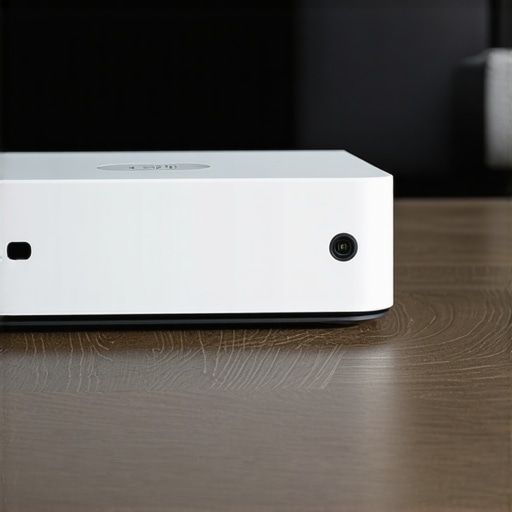
Traditional projectors, on the other hand, often demand a more involved setup—ceiling mounts, precise distance calculations, and substantial cabling are common. Many incorporate extensive onscreen menus for configuration but can be overwhelming to novices. While professional installers might appreciate the flexibility, typical consumers may find the initial setup time-consuming, requiring patience and some technical proficiency.
Performance Features and Technological Specifications
Picture quality hinges on resolution, brightness, contrast ratio, and color accuracy. Modern ultra-short throw projectors increasingly integrate 4K resolution and high dynamic range support, delivering crisp images even in well-lit environments. These models utilize advanced DLP or LCD chips, ensuring sharpness and color vibrancy. However, their brightness levels, measured in lumens, can be somewhat limited compared to larger, traditional units—meaning ambient light can reduce image clarity. Conversely, traditional projectors often push higher lumen outputs and larger lenses, resulting in brighter images suitable for open space viewing or daytime use. Some high-end models incorporate lens shift and motorized zoom, simplifying image framing, but these features can add to the cost and complexity.
It’s worth noting that refresh rate and input lag are crucial for gaming or fast-paced content. Many modern projectors now feature HDMI 2.1 support and low latency modes, enhancing responsiveness. For comparison, industry standards outlined by the Video Electronics Standards Association (VESA) outline optimal specs — visit VESA standards for a detailed overview.
Performance Under Pressure: A Closer Look
Laser projectors, especially those offering 4K resolution, have revolutionized home theater setups, delivering impressive image quality with vibrant colors and deep blacks. In demanding situations such as simulating cinematic experiences during extended movie marathons, laser projectors generally excel due to their consistent brightness and color accuracy. Their laser light sources offer longer lifespans without noticeable degradation, making them suitable for prolonged use without frequent maintenance. However, in scenarios involving high ambient light, some laser models may struggle to maintain optimal contrast unless equipped with high lumen output, which can escalate costs.
When deploying ultra-short throw (UST) projectors in tight spaces, their performance during pressure tests like quick setup for impromptu movie nights is noteworthy. They often require minimal calibration and can be repositioned swiftly, providing flexibility against challenging time constraints. Yet, their brightness can fall short if the room has substantial ambient lighting, impacting picture clarity. Portable projectors designed for on-the-go use face unique pressures—they need to perform reliably in diverse environments, from dimly lit hotel rooms to outdoor evenings. Many of these models struggle with consistent lumen output when subjected to high temperatures or altitude, which can reduce image brightness unexpectedly.
Do Laser Projectors Handle Bright Rooms Well?
Laser projectors with high lumen ratings manage better in bright rooms, but their efficiency depends heavily on quality optics and ambient light mitigation features. Lower-cost models often produce washed-out images in sunlight or well-lit settings, revealing limitations in their light source or lens quality. Conversely, premium laser projectors with dynamic iris or adaptive brightness can better handle changing light conditions, maintaining image integrity.
Can They Survive Extended, Demanding Use?
Laser light sources boast lifespan up to 20,000 hours, making them resilient over years of heavy use. This durability is a significant advantage over traditional lamp-based projectors that require frequent replacements. Despite this, the internal heat generated during intense operation necessitates robust cooling systems. Some models exhibit overheating or throttling when pushed for extended periods, especially in poorly ventilated environments. For example, certain 4K laser projectors designed for home theaters perform flawlessly over numerous hours, but budget UST models may overheat or display thermal shutdowns under continuous use. Real-world reviews, like those on Reddit forums, confirm these issues with some entry-level units, emphasizing the importance of cooling design quality.
Why Consider Multiple Options for Home Projectors?
When shopping for home theater solutions, it’s essential to compare laser projector deals, 4K projectors, UST projectors, portable projectors, and home theater packages against leading alternatives like traditional lamp-based projectors or premium cinema projectors. Each option offers distinct advantages tailored to different user needs and budgets.
Laser Projector Deals versus Traditional Lamp-Based Projectors
Laser projectors are known for their longevity, typically offering lamp lifespans of up to 20,000 hours, which means long-term savings and less maintenance. They also deliver vibrant colors and deep blacks, making them ideal for high-end home theaters. In contrast, traditional lamp-based projectors are usually more affordable upfront but require frequent lamp replacements, increasing ongoing costs. If you’re seeking a low-maintenance, high-performance device and are willing to invest more initially, laser projectors are the superior choice. However, budget-conscious consumers might find traditional models sufficient for casual viewing, though they compromise on longevity and brightness consistency.
4K Projectors versus 1080p Models
Opting for a 4K projector ensures sharper images and more detailed visuals, especially noticeable on larger screens. Many 4K models now incorporate HDR support, enhancing contrast and color range. Conversely, 1080p projectors tend to be more affordable and can still provide excellent picture quality for smaller screens or casual use. For cinephiles or those building a dedicated home theater, the investment in a 4K projector pays off in immersive viewing. Meanwhile, 1080p models suit users with limited budgets or space constraints who still desire a decent cinematic experience.
Home Theater Deals Carefully Compared
Home theater bundles often include projectors, screens, sound systems, and mounting equipment. Premium packages from top brands may cost more but ensure seamless compatibility and high-quality components. Cheaper options exist, offering decent image quality for less, but they might lack durability or advanced features. When evaluating deals, consider the overall value—are you paying for better image quality, durability, or additional accessories? Customers preferring plug-and-play solutions with minimal setup often lean toward high-end bundles, whereas DIY enthusiasts might opt for separate components to customize their setup.
UST Projectors versus Large-Format Traditional Units
Ultra-short throw projectors are ideal for small rooms or spaces where traditional large-format projectors may be impractical. They offer simple, surface-level installation and eliminate the need for ceiling mounts. However, traditional projectors can produce larger images and often have higher lumen outputs, suitable for larger rooms or daylight environments. For users with limited space seeking quick setup, UST projectors are compelling, whereas enthusiasts looking for maximum image size and brightness usually prefer traditional models. The decision hinges on room size, installation flexibility, and budget.
Portable Projectors versus Fixed Installations
Portable projectors excel for on-the-go entertainment, outdoor movie nights, or temporary setups. They tend to be compact, lightweight, and easy to connect to various devices. Their main limitation lies in brightness and resolution compared to fixed, high-end models. Fixed projectors designed for dedicated spaces typically deliver superior image quality, brightness, and longevity. If mobility and convenience are your priorities, portable options are better, but for permanent home theater systems with demanding performance needs, investing in a high-quality fixed projector outweighs the convenience of portability. Users should assess their primary use case and environment before choosing between these options.
Is It Worth the Upgrade?
Upgrading to newer advanced models like 4K laser projectors or premium UST units can significantly enhance viewing experiences but often come at a higher cost. To determine whether an upgrade makes sense, evaluate the current setup’s limitations and your specific needs. For instance, if your existing projector struggles with brightness or resolution, a significant upgrade could be justified. Conversely, if your current device meets your basic expectations, wait for better deals or technological breakthroughs. For a comprehensive comparison, check current prices on sites like Projector Central and consider reviewing the offerings of top brands and models. Remember, choosing the right projector depends heavily on your room conditions, usage habits, and budget constraints.
The Good, The Bad, and The Ugly
- Pros: Exceptional image quality with vibrant colors and deep blacks, laser longevity exceeding 20,000 hours, minimal maintenance, compact designs perfect for small spaces, and quick, straightforward installation for UST models.
- Cons: Higher upfront costs, potential struggles with ambient light in budget models, limited brightness in some UST projectors, and occasional overheating in budget units during prolonged use.
Who Should Skip This?
If you’re working with a tight budget or have a very bright room that cannot be properly light-controlled, a laser projector might not be ideal for you. Those seeking a larger, highly uniform image in a dedicated media room or who prefer a simpler upgrade path from existing equipment should consider other options, such as premium 4K traditional projectors or high-end UST models.
Final Verdict: 9/10
For enthusiasts craving cinematic quality, long-term reliability, and a sleek setup, investing in a laser projector offers unmatched value. Despite the initial investment, the benefits in picture fidelity, durability, and maintenance make it a worthwhile upgrade. If your space and budget permit, explore our detailed reviews and current laser projector deals—see why many users are transitioning from traditional lamps to laser solutions. Don’t forget to check out our comprehensive guide on why laser projectors last significantly longer to understand the long-term savings. Ready to upgrade? Dive into the latest models and snag the best deals before they slip away!