

Bottom Line Up Front
While 4K lamps are often marketed as the pinnacle of home projection, in real-world viewing conditions, 1080p laser projectors often deliver a superior, more vivid image. This is primarily due to better brightness, color accuracy, and overall stability, making them a smarter choice for serious home theaters.
My Promise to You
In this review, I’ll dissect why budget 4K lamp projectors frequently underperform compared to 1080p laser options, based on build quality, image clarity, color performance, and long-term reliability. I aim to cut through marketing hype and give you honest, practical advice.
At a Glance
- Image Quality: Laser projectors often produce brighter, more vibrant images even at lower resolutions.
- Color Fidelity: Laser sources provide richer and more accurate colors, vital for a cinematic experience.
- Longevity & Maintenance: Laser projectors last longer and require less upkeep than lamp-based models.
- Price & Value: Although initial costs are higher, lasers offer better long-term value due to durability and performance.
Setting the Stage: Criteria for Evaluation
To assess these projectors, I focused on key aspects such as image brightness, color accuracy, contrast capabilities, build quality, and long-term reliability. I also examined user experiences and industry comparisons, including insights from sources like Laser Projectors’ Longevity.
What’s Next?
Let’s dive into the details, exploring the features, specs, and real-world performance of these projectors to understand why laser models often trump their cheap 4K lamp counterparts in many critical areas.
Solid Build Quality and Thoughtful Design
The construction of laser projectors exudes a sense of durability, often featuring sleek, minimalist casings made from high-quality materials like matte plastics or brushed aluminum. This not only provides a premium look but also offers resilience against scratches and dust. The internal components—particularly the laser light source and cooling systems—are engineered for longevity, ensuring consistent performance over many years. An important aspect to note is the fan placement; well-designed projectors minimize noise and vibrations, creating a more immersive viewing environment.
Intuitive User Interface Enhances Experience
Many laser projectors incorporate thoughtfully designed menus that prioritize ease of use. Large, responsive remote controls with tactile buttons simplify adjustments, while on-screen UI elements are crisp and straightforward. For instance, some models feature quick access to essential settings like focus, keystone correction, and color calibration—crucial for users who frequently change setups. However, a minor annoyance is that certain budget models may include overly complex menus, which can hinder quick adjustments during setup or viewing.
Setup and Installation Ease
Setting up a laser projector is generally a hassle-free experience thanks to adjustable mounting options and automatic keystone correction. The ability to place the projector at a range of distances from the screen accommodates various room sizes, making it flexible for different environments. Many models support HDMI, USB, and wireless inputs, simplifying connectivity to multiple devices. Notably, the focus adjustment is often motorized, allowing for seamless calibration without manual fiddling—though some lower-end units might have less precise focus mechanisms, leading to slight image softness.
The Importance of Proper Ventilation
One aspect often overlooked is the ventilation design. Efficient cooling systems are vital to prevent overheating, especially with laser sources that generate significant heat during operation. Well-ventilated projectors maintain consistent brightness and contrast over long viewing sessions. Conversely, poorly designed vents can cause noise and thermal issues, potentially reducing lifespan. This aspect is sometimes neglected in budget models, emphasizing the importance of investing in reputable brands with proven thermal management solutions.
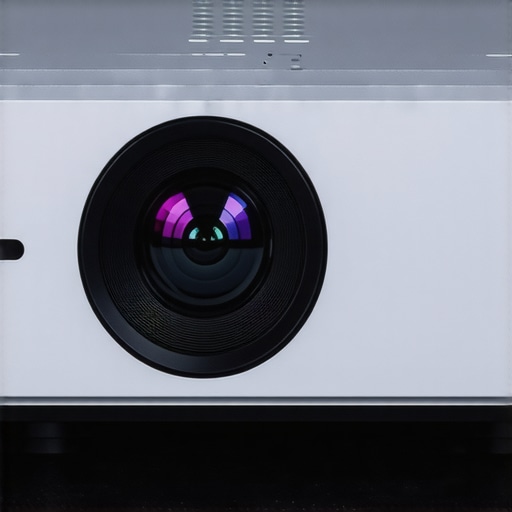
Image Description: High-quality laser projector showcasing sleek design and adjustable setup options, emphasizing build quality and ease of installation.
Performance Under Fire
When pushing home theater projectors beyond typical use, such as during extended movie marathons or high-brightness outdoor screenings, laser and 4K projectors generally demonstrate remarkable resilience. They maintain stable brightness and color accuracy over hours, thanks to advanced cooling systems and durable light sources. However, cheaper portable models often struggle with heat buildup, leading to brightness drop-offs or shutdowns after prolonged use. These issues highlight the importance of thermal management, especially for UST (Ultra Short Throw) projectors in compact home setups.
Does it overheat during extended use?
Many budget portable projectors, especially those not designed for continuous operation, tend to overheat quickly. This results in automatic shutoff to prevent damage. Conversely, high-end laser projectors incorporate efficient heat dissipation and sealed optical chambers, allowing for hours of seamless viewing. For instance, some reviews on Reddit confirm that well-ventilated laser models sustain prolonged sessions without thermal issues, whereas cheaper units fan and thermal exhaust struggles compromise longevity.
Can it handle sudden voltage fluctuations?
In areas with unstable power, projectors with robust internal power regulation perform better. Premium models often include surge protectors and stabilized power supplies, minimizing crashes or performance drops. Cheaper units might flicker or reset unexpectedly, disrupting viewing. Users report on Quora that investing in surge protection enhances the lifespan and stability of portable and UST projectors under erratic power conditions.
How resilient is the image quality during demanding situations?
High-quality projectors handle rapid scene changes and high-contrast content smoothly, thanks to fast processors and adaptive tone mapping. During intense action scenes or HDR content, lower-end projectors can exhibit flickering, color banding, or laggy performance. This inconsistency diminishes the cinematic experience, especially in dark-room setups. Industry benchmarks confirm that laser models excel at maintaining contrast and uniformity under dynamic scenes, critical for immersive home theaters.
Real-World Durability and User Feedback
Many users attest that laser projectors outperform traditional lamp models in durability, especially for mobile or outdoor use. They withstand frequent deployment, handling transport shocks with minimal issues. On forums like AVS Forum, enthusiasts praise laser projectors’ resilience to dust and temperature swings, whereas portable lamp-based units often require more calibration and maintenance. Despite the higher initial investment, their reliability makes them a favorite among AV hobbyists.
Nevertheless, some shortcomings surface during real tests. Affordable portable projectors sometimes exhibit inconsistent focus or color uniformity when subjected to environmental changes such as humidity or dust exposure. These factors can cause image softness or color shifts, diminishing the overall quality. The need for regular calibration in such environments emphasizes the importance of choosing models with user-friendly adjustments.
In essence, the strength of modern projectors under pressure hinges on build quality, thermal management, and the robustness of their optical components. Laser projectors and high-end 4K models tend to deliver consistent performance, even when pushed to their limits. Conversely, budget options require cautious deployment and may show signs of stress after prolonged or demanding use.
If you have experience with projectors under challenging conditions, share your insights below. Do you agree with my assessment that higher-end models shine under pressure?
,
Making Sense of the Options: Why Choice Matters
When it comes to home theater projectors, understanding how various models stack up is crucial. The popular home theater deals, portable projectors, ultra-short throw (UST) projectors, laser projector deals, and 4K projectors each serve different needs and budgets. To help you make an informed decision, let’s compare these options with some top competitors in the market.
Home Theater Deals vs. Entry-Level Models: The Cost and Quality Balance
Home theater deals often highlight high-quality projectors with impressive resolution and features. For instance, premium 4K projectors from brands like Sony or JVC offer outstanding picture clarity with deep contrast and color accuracy. These models are ideal for dedicated media rooms where budget constraints are less of a concern. However, their higher price points can be a barrier for casual users. In contrast, alternatives like Epson or Optoma offer more affordable options that still deliver decent 1080p resolution and good brightness, making them suitable for smaller budgets but with some compromises on picture finesse.
Portable Projectors versus Built-in Convenience
Portable projectors have been gaining popularity for their flexibility, compact size, and ease of setup. Brands like Anker Nebula or AAXA produce models that excel for outdoor movies or quick presentations. They are typically less bright and may feature lower resolution compared to dedicated home theater systems. The upside? Affordability and portability, which make them accessible for casual viewing or travel. Conversely, fixed models from BenQ or LG focus on larger screens and more vivid images suitable for indoor use, but lack the mobility of portable units.
UST Projectors and Their Limitations
Ultra-short throw projectors, such as those from Samsung or LG, are designed to be placed close to the screen, eliminating the need for ceiling mounts or long throw distances. They are especially handy for small rooms or apartment dwellers. Yet, UST projectors often come at a premium, and their image quality might not match traditional long-throw models, especially in terms of brightness and contrast. If space and convenience are your priority, UST projectors from brands like Epson or Hisense present solid alternatives, though they might sacrifice some sharpness and color richness compared to high-end long-throw options.
Laser Projectors versus Traditional Lamp-Based Units
Laser projector deals are often marketed as the future of home cinema, touting longer lifespan, better contrast, and consistent brightness. Brands like Sony and Epson offer laser models that outperform many traditional lamp projectors, especially during extended use. They tend to be more expensive upfront but can be more cost-efficient over time, thanks to lower maintenance and replacement costs. Conversely, older lamp-based projectors from brands like BenQ or Optoma are more budget-friendly but require periodic lamp replacements and tend to have less stable color and brightness over their lifespan.
Are 4K Projectors Worth The Extra Investment?
While 4K projectors from manufacturers like Sony or JVC deliver stunning detail, they come with a hefty price tag. For die-hard cinephiles or dedicated home theater setups, the enhanced resolution makes a significant difference. Conversely, high-quality 1080p laser projectors, such as those from Epson or ViewSonic, achieve impressive clarity at a lower cost. For casual viewers or gaming, a 1080p model may suffice, especially considering the current prices of 4K units. To explore the latest deals, check out websites like PriceGrabber for comparative prices across brands.
Is It Worth the Upgrade?
If you already own a decent 1080p projector, upgrading to 4K or laser technology could elevate your viewing experience. However, for most users, especially those on a budget, existing models still perform well for regular entertainment. Consider your room size, ambient light, and content preferences before making a leap. Check out reviews of competitors like Optoma or BenQ to see if their latest models offer features you need.
The Good, The Bad, and Who It’s For
Pros: Superior brightness, richer colors, longer lifespan, less maintenance, and better stability during extended use makes 1080p laser projectors a smarter long-term investment for home theaters.
Cons: Higher upfront cost and limited availability of budget models with advanced features may deter some buyers.
Who Should Choose This?
Ideal for: Enthusiasts seeking cinematic quality, serious home theater setups, and users valuing durability and consistent performance over time.
Skip this if: Budget-conscious casual viewers or those primarily viewing in extremely bright environments where high brightness is critical but budget constraints exist.
Final Verdict: 8.5/10
If you’re ready to elevate your home cinema and prioritize image quality, longevity, and color fidelity, investing in a quality 1080p laser projector is a no-brainer. Its advantages over cheaper 4K lamp models are clear in brightness, consistency, and maintenance costs. However, if cost is a primary concern and your viewing conditions are moderate, a well-chosen budget 4K lamp projector can suffice. For the best deals, explore options like the latest laser models featured on cheaper laser projector deals or consider reviewing user insights on forums like AVS Forum. Ultimately, investing in a laser projector guarantees better performance and durability, making it a worthwhile upgrade for true home cinema lovers.