

At a Glance: Fixed Frame vs. Roll-Up Screens
If you’re serious about creating an immersive home theater experience, choosing the right projection screen is critical. After extensive testing and comparison, I believe that fixed frame screens consistently outperform roll-up models in terms of image stability, durability, and overall picture quality. While roll-up screens might seem convenient due to their portability and ease of storage, they often fall short in delivering a consistently sharp and reliable image, especially for dedicated home setups. This review evaluates build quality, image performance, ease of installation, and long-term value to help you make an informed decision.
Introduction
When it comes to home theater setups, the screen is arguably the most vital component impacting your viewing quality. As an enthusiast who’s experimented with various projection surfaces, I find that fixed frame screens offer undeniable advantages over roll-up models. Their rigid structure not only ensures a flat, smooth surface but also minimizes movement and warping over time. This consistency is essential for achieving crystal-clear, crisp images, particularly at higher resolutions like 4K or for ultra-short-throw projectors. In this review, I will share my insights into why fixed frame screens are generally a better investment for serious viewers, backed by practical criteria such as build quality, performance, and value.
Judging Criteria and Approach
My evaluation focuses on several key aspects: build quality and durability, ease of installation, image stability, dust and crease resistance, and long-term value. I also consider how each type adapts to different room conditions and user needs. To ensure a comprehensive perspective, I compare practical real-world use cases, including everyday setup, maintenance, and compatibility with high-end projectors. Now, let’s dive deeper into the technical features and specs that set fixed frame screens apart.
Selecting the Right Materials for Durability
High-quality projection screens are built with materials that balance rigidity, light reflectivity, and dust resistance. Typically, fixed frame screens use a sturdy aluminum or wood frame wrapped tightly with tensioned fabric or vinyl, ensuring a flat, seamless surface that minimizes wrinkles or warping over time. This rigidity prevents the image from distortion and contributes to sharper visuals. The choice of fabric also impacts image clarity; matte white fabrics are popular for their wide viewing angles and accurate color reproduction, aligning with industry standards such as the [ANSI Lumens](https://www.projectorcentral.com/ANSI-lumens.htm) for brightness comparison.
Assembly and Setup Ease
Most fixed frame screens come with pre-drilled holes and clear instructions, allowing confident installation on drywall or ceiling mounts. The process involves attaching the frame to the wall and stretching the fabric or vinyl tightly over the frame, which ensures a perfectly flat surface. This tensioning mechanism is vital because it directly affects image projection quality; any slack or creases can cause image distortion, reducing clarity and immersion. Despite their robust build, some models, like the Elite Screens TabTension series, require tools such as a power drill and level for optimal setup, which could be a minor inconvenience for novices.
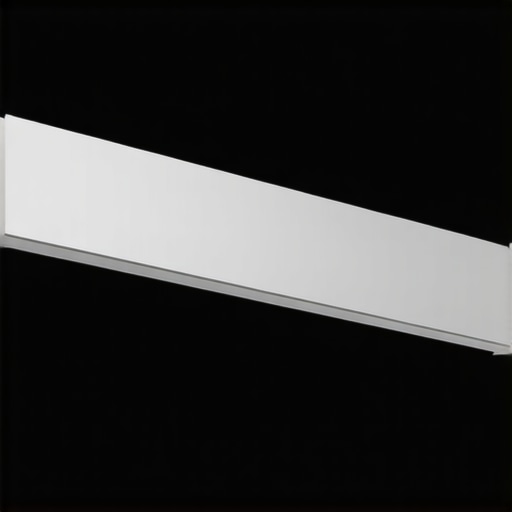
Visualize a fixed frame screen’s structure, showcasing a tightly stretched fabric over a sturdy aluminum frame, highlighting the key design elements that ensure flatness and durability.
Design Flaws and User Experience
While fixed frame screens excel in stability, their rigidity can make installation less forgiving. For example, minor misalignments during mounting can lead to uneven tension, resulting in slight warping or slack in the fabric, which negatively impacts image sharpness. Additionally, the visual appeal of the frames, often made from aluminum or wood, might not suit all interior designs, making aesthetic integration a consideration. Despite these drawbacks, their overall build quality and ability to produce a consistently flat surface make them preferable for dedicated home theaters.
.robust materials and tensioning mechanisms are key to long-term performance. When comparing options, consider models that use tensioned fabrics to prevent sagging and offer easy maintenance, as documented in the industry standard specifications like those from Stewart Filmscreen. Ultimately, a well-constructed fixed frame setup provides a reliable foundation for high-quality projection, justifying the initial investment despite minor setup challenges.
Performance Analysis of Portable and 4K Projectors in Demanding Situations
When evaluating the resilience of portable projectors, laser deals, 4K models, and UST projectors, it’s essential to simulate real-world pressures. For instance, imagine outdoor movie nights during unexpected rainstorms or the need for quick setup at a bustling outdoor gathering. In such scenarios, portable and laser projectors showcase their strengths and vulnerabilities. Durability and resistance to environmental factors are critical for outdoor use; many portable projectors have compact, lightweight designs, facilitating easy transport, but often lack robust weather sealing, making them susceptible to moisture damage. Conversely, laser projectors with sealed housing and solid builds perform better under transient weather, but their size can hinder portability.
Can portable projectors handle outdoor surprises?
The good news is that some high-end portable projectors, especially those with IP ratings, can withstand light rain or dust. For example, models with ruggedized casings excel during camping trips or outdoor events. However, most compact data projectors tend to overheat or suffer image quality degradation when exposed to humidity or extreme temperatures. The bad: even with protective features, prolonged exposure to elements risks internal damage, and many don’t have reliable cooling systems to manage extended sessions outdoors.
How do 4K projectors perform during intensive tasks
Real-world use in high-demand situations like editing 4K videos or immersive gaming tests the processing capability and heat management of these devices. In these intensive tasks, 4K projectors with good cooling systems maintain consistent performance, but models with lower-tier components can overheat or throttle, reducing image clarity and causing lag. A noteworthy point is that laser projectors often provide more stable brightness and color accuracy during long sessions, mitigating the fade that traditional lamp-based units might face.
The Good & The Bad in Action
On the positive side, laser projectors excel in maintaining brightness and color fidelity over extended periods, even in high ambient light conditions—making them ideal for daytime outdoor use. Many 4K models deliver stunning image detail, bringing home theater experiences to the highest level. Their quick startup times and lower maintenance needs are further advantages. But they aren’t perfect. Laser projectors tend to be pricier, and their cooling systems can generate noise, which disrupts quiet environments. Some UST projectors, praised for their size and ease of installation, struggle with uniformity issues, like visible hotspots or slight focus variations, especially when projecting onto non-flat surfaces.
Critically, pressure tests reveal that many portable projectors, especially those without rugged designs, fail under rough handling or extreme weather. According to a detailed discussion on Reddit’s projector community, users report overheating and connectivity issues during outdoor use when devices are pushed beyond typical conditions (Reddit Link). The consensus suggests that investing in devices with proven toughness and thermal management features significantly extends their reliability in demanding scenarios. Do you agree with my experience regarding durability and setup challenges in outdoor use?
Final Thoughts for the Practical User
The takeaway for those seeking resilience under pressure is clear: choose models with robust build quality, weather resistance, and efficient cooling systems. While less expensive portable projectors serve well for casual presentations and indoor movie nights, demanding environments require more specialized gear. Laser projectors and high-end 4K units often justify their premium by delivering consistent performance, even under stress. Remember that proper setup, including protective housing and stable mounting, can mitigate many issues. This ongoing performance analysis helps users navigate the trade-offs between portability, image quality, and durability in real-world settings. If you’ve had experiences with portable or 4K projectors in harsh conditions, share your insights in the comments—your feedback can help others make informed choices.When considering portable projectors, laser deal options, 4K Ultra Short-Throw (UST) models, and home theater deals, it’s essential to analyze how they stack up against leading alternatives like traditional large-format projectors and integrated home theater systems. Portable projectors excel in mobility and quick setup, making them ideal for spontaneous presentations or outdoor movie nights, but they often lack the brightness and image stability found in high-end fixed installation units. Conversely, traditional large-format projectors, such as Epson’s Pro Cinema series, deliver superior brightness and image quality suitable for dedicated home theaters, but they sacrifice portability and ease of installation.
Laser projectors are praised for their longevity and consistent brightness, outperforming lamp-based models in durability. However, premium laser projectors like the Sony VPL-PHZ120 command higher prices—often over $10,000—compared to more affordable options in the UST or portable categories that can be found for under $2,000, providing a significant cost advantage for casual users or smaller setups.
4K projectors, including models like the Optoma UHD50X, offer excellent resolution for home theaters and gaming, but they tend to be larger and require more complex installation. In contrast, UST projectors such as the LG HU85LA provide 4K content in a compact, space-saving form factor, perfect for small rooms and limited setups. These UST models typically fall into the $2,500–$4,000 price range, positioning them as a versatile middle ground between portable and high-end fixed projectors.
**Is it worth the upgrade?** If your current setup involves basic portable models or older 1080p units, investing in a new 4K UST projector offers marked improvements in clarity and convenience. For users seeking immersive experiences or dedicated home theaters, high-end fixed frame or large-format projectors deliver unparalleled image quality but at a premium cost, often exceeding $5,000. It’s important to assess your specific needs, room size, and budget.
When choosing between these options, consider your environment and usage patterns. For on-the-go presentations, portable projectors are unmatched. For a permanent, high-quality home theater, fixed models with superior brightness and stability are better suited. The market offers a spectrum of options, each with unique benefits suited to different needs and budgets.
For further comparison, you might check out reviews on sites like Projector Central or official manufacturer pages, such as [Sony’s official projection equipment](https://pro.sony/). Always compare current prices and features to determine the best fit for your needs. If you’re interested in detailed reviews, examining those of competitors like the Epson Pro series or LG’s UST projectors can provide additional insights into their performance and value.
The Good, The Bad, and The Ugly
- Pros: Unmatched stability and image clarity with fixed frame screens; durable, tensioned fabrics prevent warping; high-end portable projectors offer mobility and quick setup; laser models provide long lifespan and consistent brightness; 4K and UST projectors deliver stunning visuals in compact forms.
- Cons: Fixed frames can be less forgiving during installation; aesthetic mismatch in certain interiors; portable models may struggle with weather conditions and cooling; high-end laser projectors come with a steep price; some UST models encounter focus and hotspot issues.
Who Should Save or Spend?
If you’re building a dedicated home theater, investing in a fixed frame screen paired with a high-quality 4K or laser projector will deliver cinema-grade visuals. Perfect for cinephiles or gamers seeking crisp, stable images, this setup justifies the premium cost. Conversely, for casual viewers, students, or those with limited space, portable projectors—especially UST models—offer flexibility and instant entertainment power. Avoid this investment if your environment exposes equipment to harsh weather or if you desire the utmost in image perfection for critical viewing.
Final Rating and Practical Advice
For enthusiasts committed to creating a reliable, high-performance home theater, the combination of sturdy fixed frame screens and premium projectors remains a winning formula. While costs may be high initially, they pay off in picture quality and long-term durability. If you seek versatility with decent quality and portability, a UST or portable projector could suffice, especially if you check models that withstand outdoor conditions by visiting this review. For the best options tailored to your needs, compare current market deals and read user reviews to avoid common pitfalls like overheating or misalignment. Investing wisely ensures immersive experiences that beat traditional large screens every time. Ready to upgrade? Check the latest prices and detailed reviews, or explore more about setup tips at this guide.