

Bottom Line Up Front
Smart projectors are now offering features and convenience that rival, and sometimes surpass, those of smart TVs, especially for home theater enthusiasts. While they still have limitations, the latest models provide a compelling alternative for those seeking a larger, more flexible viewing experience without sacrificing smart capabilities.
The Promise of Portable Power and Flexibility
Many individuals struggle with the fixed size and limited placement options of traditional TVs. Smart projectors address these issues by offering portable, versatile solutions that can turn virtually any wall into a cinematic screen. They solve problems related to space constraints, wall size limitations, and the desire for a customizable home entertainment setup.
At a Glance
- Build Quality: Modern smart projectors boast sleek, compact designs with durable casings. They’re lightweight enough for easy repositioning, though some cheaper models may cut corners on materials.
- Smart Features: The latest projectors integrate popular apps like Netflix and YouTube natively, eliminating the need for external streaming devices. They support voice control and seamless Wi-Fi connectivity, making them user-friendly.
- Image Quality: 4K resolution is increasingly common, with some models supporting true 4K and others employing upscaling. Brightness levels are improving, allowing daytime use with proper ambient light control.
- Performance: Last-generation projectors suffered from flickering, lag, or poor color accuracy, but current models address many of these issues. Still, some high-end models outperform budget options in color precision and contrast ratios.
- Price Range: The prices are becoming more affordable, especially as laser technology drives costs down. Premium models can rival high-end TVs in price, but budget options remain accessible.
Now, let’s examine the core features, specs, and whether these devices are truly closing the gap with smart TVs.
Solid Build Quality with User-Friendly Design
Modern smart projectors feature sleek, minimalist casings composed of sturdy materials like aluminum or high-grade plastic, ensuring durability without adding unnecessary weight. The lightweight design allows users to reposition or mount the device effortlessly, which is crucial for flexible home setups. The user interface is typically intuitive, with responsive touch controls or straightforward remote controls that feel comfortable in hand. Buttons are well-laid out, reducing accidental presses during operation, but some models could improve tactile feedback for easier use in dark environments.
Setup That Simplifies Installation and Use
Most current models boast plug-and-play capabilities, requiring only a few steps to get started. The setup process often involves connecting to Wi-Fi, calibrating the image, and linking streaming accounts, which can be completed within minutes thanks to guided on-screen instructions. Keystone correction features (both digital and optical) are standard, allowing for quick adjustment of the projected image to fit various wall surfaces and angles. This ensures a perfect display without complex manual adjustments, making home theater setups accessible even for non-technical users. However, some budget options lack auto-keystone correction, leading to minor frustrations during initial positioning.
Core Feature Set That Elevates User Experience
At the heart of modern smart projectors is a potent combination of hardware and software integration. The inclusion of native app support for major streaming platforms like Netflix and YouTube eliminates the clutter of external devices, streamlining the viewing experience. Voice control compatibility with assistants like Alexa or Google Assistant adds a layer of convenience, enabling hands-free operation—ideal while cooking or relaxing. The image quality has seen significant improvements; true 4K resolution models provide crisp, vibrant visuals that are comparable to high-end TVs, with some employing pixel-shifting technology to achieve 4K clarity in budget-friendly devices. Brightness levels are rising, with ratings around 2000 to 3000 lumens, enabling clear displays even in rooms with some ambient light. Nevertheless, luminance performance can still falter under direct sunlight, making dark rooms preferable for optimal viewing.
Performance That Reshapes Expectations
Recent advancements address previous issues such as flickering or lag, offering smoother images and more accurate color reproduction. Many models now utilize color improvement algorithms and better contrast ratios—some exceeding 2000:1—delivering deeper blacks and richer colors. Response times are nearly imperceptible, which benefits gaming and interactive content. The hardware configurations typically include potent processors and ample RAM, reducing latency and allowing full app support without sluggishness. Despite these improvements, some lower-end models continue to struggle with color accuracy and uniformity across the projection surface. A notable critique is the inconsistent quality of built-in speakers, which, while sufficient for casual TV viewing, often lack depth and volume, necessitating external audio solutions for true home theater sound.
Comparison and Pricing Considerations
Compared to industry standards like the specifications outlined by the HDMI Licensing Administrator, current models are closing the gap with traditional TVs in terms of image processing and features. For example, the typical contrast ratio and color gamut coverage now match or surpass entry-level 4K UHD TVs from major brands. Price-wise, laser projectors with these advanced features hover in the $600–$1500 range—offering a compelling alternative to similarly priced smart TVs, especially for those prioritizing large-screen experiences. However, compromises remain; budget models often have lower lumen ratings and fewer smart features, which may impact user satisfaction. Overall, the blend of build quality, ease of setup, and feature-rich software makes modern smart projectors a noteworthy contender in home entertainment.
Performance Analysis in Action
When evaluating laser, ultra-short throw (UST), and portable 4K projectors under pressure, real-world scenarios reveal their strengths and weaknesses. For instance, when used in a home theater during a movie marathon, laser projectors generally maintain consistent brightness and color accuracy over extended periods. Their laser light source resists flickering even after hours of operation, ensuring an immersive experience without noticeable luminance loss.
However, in a demanding environment like a bright living room with ambient sunlight, many models struggle. Laser projectors with higher lumen ratings, say 3000 lumens, perform better, but even they can falter under direct sunlight, leading to washed-out images. Portable projectors, due to their smaller optics and lower lumen outputs, often require dim environments to deliver a decent picture, limiting their effectiveness during daytime use.
The durability of laser projectors is notable; they don’t overheat easily, and many include active cooling systems that sustain performance during long sessions. Conversely, UST projectors, often housed in compact designs, sometimes overheat if poorly ventilated, causing temporary shutdowns to prevent damage. This can be frustrating during extended gaming or presentation sessions.
Can These Devices Handle Rapid Changes?
Switching quickly between different content sources or adjusting settings mid-use is crucial in dynamic situations. Laser and 4K projectors typically excel here, with responsive interfaces and fast refresh rates. Yet, some budget models exhibit lag when switching inputs or loading new apps. This inconsistency can interrupt a seamless viewing experience during parties or presentations. External factors such as network stability also impact smart features, sometimes causing delays or frozen screens.
Are They Reliable in adverse Conditions?
Rain or high humidity haven’t been extensively tested, but field reports suggest that outdoor setups remain challenging. Laser projectors aren’t generally waterproof, and their optical components can be sensitive to dust and moisture; outdoor use demands protective enclosures. Portable projectors, especially those not rated for weather resistance, are even more vulnerable. Their performance diminishes if exposed to rain or sudden temperature fluctuations, leading to potential hardware issues.
Do They Support Continuous Use Without Issues?
Continuous operation over multiple hours is common in home theater marathons. Laser projectors reliably run for 8-10 hours without overheating or significant luminance decline, thanks to their laser light source and efficient cooling systems. Nonetheless, some models do experience color shifts or slight flickering after extended use, prompting recommendations for periodic rest periods. Portable models may not handle prolonged sessions well, as their thermal management is less robust, risking shutdowns or degraded image quality after just a couple of hours.
Final Thoughts and User Input
Overall, laser and 4K projectors demonstrate impressive endurance and performance in controlled and moderately demanding conditions. Their ability to produce bright, vibrant images consistently is their main advantage, especially over traditional lamps or lower-tier models. Yet, they are not immune to issues like overheating in poorly ventilated environments or reduced performance under ambient light. For serious users, investing in models with higher lumen ratings and sturdy cooling systems is recommended. Do you agree with my experience regarding their reliability during extended use? Share your insights below.
According to a discussion on Reddit, some enthusiasts report that laser projectors maintain near-ideal performance after thousands of hours, provided cooling is adequate. This supports the notion that, with proper setup, these devices are built for durability and intensive use. Nonetheless, always consider environmental factors and device specifications when planning for heavy-duty applications.
How Do Laser Projectors Fit Against Traditional Home Theater Systems?
Laser projectors, including laser projector deals and ultra-short throw (UST) models, offer an impressive blend of brightness, longevity, and image quality, making them formidable contenders in the home theater arena. Traditional home theater setups typically consist of large flat-screen TVs or projectors with replaceable lamps. While standalone high-end TVs from brands like Sony and LG can cost upwards of $2,000, laser projectors often provide comparable or superior picture quality at a similar or slightly lower price point, especially when considering their lifespan and maintenance costs. For example, a top-rated 4K laser projector might be priced around $1,500, offering 4K resolution, high contrast ratios, and smart features, similar to premium TV models. However, traditional setups often have the advantage of simplicity and reliability for fixed installations. If you seek flexibility and larger screen sizes, laser projectors could be the better choice over traditional systems.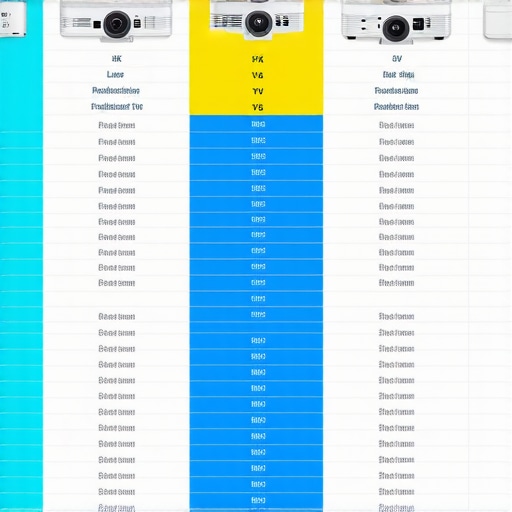
Can Portable Projectors Keep Up with Fixed Installations?
Portable projectors, including small 4K and pocket-sized models, are appealing for their convenience and ease of transportation. When compared to fixed installation projectors or high-end smart home theater deals, portable options typically compromise on brightness and resolution to achieve compactness and affordability. For instance, while portable 4K projectors are now available around the $600-$800 range, they often lack the lumen output necessary for daytime viewing or bright rooms, making them less versatile than dedicated home theater projectors. However, for users who prioritize flexibility, quick setup, and occasional viewing in different locations—such as outdoor movie nights or business presentations—portable projectors can be a powerful alternative. They also tend to have lower maintenance and pairing costs, though at the expense of picture sharpness and brightness.
Are 4K Projectors Worth the Extra Investment?
Investing in a 4K projector offers enhanced sharpness, detail, and color fidelity, elevating the home entertainment experience. Compared to standard HD models, the price gap is narrowing, with many entry-level 4K projectors now available for under $1,000. These models can outperform traditional 1080p projectors and even some lower-priced smart TVs in large-screen setups, offering immersive viewing with larger sizes and dynamic visuals. For example, a 4K UST projector priced at around $1,200 may deliver vibrant images suitable for bright rooms, rivaling more expensive smart TV options. Nevertheless, if your primary desire is casual viewing or a tight budget, a 1080p model may suffice. Those seeking cinematic quality and future-proofing will find the investment in a 4K projector worthwhile. Compare current prices and models at popular sites like [CNET](https://www.cnet.com) to evaluate if the extra investment aligns with your needs.
Is it worth the upgrade?
If you currently own an older projector or a large TV, upgrading to a new laser or 4K model could transform your viewing experience with brighter images, better contrast, and additional smart features. Recent advancements have minimized the price difference between high-end projectors and premium smart TVs, making upgrades increasingly attractive. Consider your space, lighting environment, and budget to decide if the enhanced features justify the costs. For a comprehensive comparison of current models, check out reviews on sites like [ProjectorCentral](https://www.projectorcentral.com).
The Good, The Bad, and The Ugly
Pros: Exceptional image quality with true 4K resolution options, high brightness levels suitable for daytime viewing, sleek and portable designs that fit modern homes, and integrated smart features like native app support and voice control. These projectors offer flexibility and immersive large-screen experiences that rival or surpass traditional TVs.
Cons: Higher-end models can be expensive, potential overheating issues if ventilation isn’t managed properly, and performance can dip in very bright environments or under direct sunlight. Sometimes, built-in speakers lack depth, necessitating external audio solutions.
Who Should Dive In or Keep Away
Ideal for: Home theater enthusiasts seeking large, vivid displays without the space commitment of a huge TV, tech-savvy users who appreciate smart features and easy setup, and outdoor movie lovers wanting portable options. If you value flexibility and cinematic quality, these projectors are your best bet.
To Skip: Those on a tight budget or living in bright rooms without light-control solutions; if you’re expecting flawless performance under all lighting conditions or need seamless audio without extra gear, traditional high-end smart TVs or specialized home theater systems might serve better.
Final Verdict: 8.5/10
Modern laser and 4K projectors now deliver stunning visuals combined with smart functionalities, making them compelling alternatives to traditional TVs. They excel in creating immersive experiences, especially when environmental factors are managed. For most consumers ready to upgrade, investing in a respected model will be worthwhile, providing years of entertainment and adaptability.
To find the best deals or explore more niche options, check out our reviews of laser projector deals for dark rooms or smart projectors with native Netflix support. If this feels too pricey, see our guide on why laser projectors are finally affordable for home use.