

Bottom Line Up Front: Modern smart projectors have truly evolved, and in many cases, they offer comparable, if not superior, viewing experiences to high-end TVs, especially when space and budget are considerations. While they may not fully replace the best OLED TVs for meticulous color accuracy, their versatility makes them a serious contender for home entertainment.
The Promise: These projectors solve the problem of limited space and high costs associated with premium TVs, offering a portable, flexible solution that can deliver cinema-quality images right in your living room or backyard.
At a Glance
- Performance: Bright images, 4K resolution, and smart features are increasingly delivering immersive experiences.
- Build Quality: Compact and user-friendly, though some models still struggle with durability.
- Features: Built-in apps, voice control, and wireless streaming are becoming standard.
- Price: Competitive, with deals often rivaling high-end TVs.
In evaluating these devices, I considered image quality, ease of setup, smart functionality, and value for money. Now, let’s dive deeper into what makes these projectors stand out or fall short in today’s market.
Solid Construction with Thoughtful Design
Modern smart projectors typically utilize high-quality plastics or metal alloys, giving them a sturdy yet lightweight feel that’s easy to maneuver and install. The materials often feel premium to the touch, indicating durability and user-friendly handling. For instance, rubberized feet ensure stability on various surfaces, while the smooth, matte finishes reduce glare and fingerprint smudges, maintaining a sleek appearance over time.
One notable aspect is the emphasis on compactness. Many models are designed to be portable, which is a significant advantage for users who want flexibility in setup locations. The slim profile and integrated carrying handles or cases enhance portability, making spontaneous movie nights or outdoor presentations convenient. However, the compact size sometimes comes at a cost—smaller vents may lead to thermal management issues during extended use, possibly affecting longevity.
Ease of Setup That Actually Simplifies Life
Setting up these projectors is generally straightforward, thanks to user-centric design choices. Most models feature intuitive interfaces, with clear on-screen guides during initial configuration. Automatic keystone correction and focus adjustments help flatten images quickly, even for novices. Wireless connectivity options, like Wi-Fi and Bluetooth, eliminate messy cables, enabling a clutter-free space. Simply connecting to a home Wi-Fi network or streaming device transforms the projector into a smart hub.
Despite these advancements, a minor frustration arises with some models’ initial Wi-Fi pairing processes, which can be less stable or slow, especially with congested networks. A well-designed remote control or dedicated mobile app eases navigation through settings, but inconsistent app updates may cause occasional disconnects. Also, the placement of ports—usually on the back or sides—can sometimes be awkward, requiring careful planning during installation. Overall, these factors slightly detract from an otherwise seamless experience.
Core Features That Elevate the Experience
Image Quality and Performance
The heart of any projector lies in its image quality. Many modern models feature 4K resolution LEDs or lasers, delivering sharp details and vibrant colors. Brightness levels often range from 2000 to 3000 lumens, allowing clear viewing in well-lit environments. This brightness ensures the projected image remains vivid even during daytime use or outdoor settings. An industry-standard comparison can be made with the specifications outlined by [Sony’s 4K Laser Projector](https://pro.sony/ue5000-4k-laser). The contrast ratio, often around 3000:1, further enhances depth, ensuring dark scenes retain detail without washing out in ambient light.
However, some models still struggle with uniformity, with brightness sometimes diminishing toward the edges or in corners, which can be distracting during cinematic experiences. The noise emitted by cooling fans, while generally quiet, can sometimes be noticeable, especially in silent rooms—a minor annoyance for sensitive viewers.
Smart Features That Make Content Access Easier
Built-in apps, voice control, and wireless streaming are now standard, transforming projectors into entertainment hubs. These smart features allow direct access to platforms like Netflix, YouTube, or Hulu without additional devices. Voice commands, compatible with Alexa, Google Assistant, or proprietary AI, enable hands-free operation, enhancing convenience. Wireless screen mirroring from smartphones or tablets is often supported via apps or Miracast, facilitating quick content sharing.
One notable feature is automatic input switching, which detects active devices and switches inputs seamlessly. This prevents users from fiddling with multiple remote controls or menus. Despite these advances, the user interface can sometimes lag or be cluttered, especially in budget models, which diminishes the experience slightly. Nonetheless, these core features collectively offer versatility and ease, fostering a more immersive and hassle-free viewing environment.
Evaluating UST and Portable Projectors in Demanding Scenarios
When testing projectors like ultra-short-throw (UST) models or portable 4K devices in real-world situations, their true performance often reveals strengths and weaknesses unseen in controlled environments. Imagine hosting an outdoor movie night during a breezy evening. The projector’s brightness becomes crucial—does it cut through ambient light effectively? Many models deliver impressive lumens, but gusts of wind or unexpected shadows can hinder image clarity. Some projectors with adaptive brightness adjustments handle changing light conditions better, maintaining visibility, while others falter, with images fading or washing out.
An active family gathering in a dim basement offers a different challenge. Continuous operation without overheating is essential. High-performance laser projectors generally manage heat dissipation well, thanks to advanced cooling systems, but cheaper models with small vents may overheat quickly, resulting in shutdowns or degraded image quality. The durability of components becomes a critical factor here, and some budget-friendly options struggle under prolonged use, making their performance inconsistent or problematic.
Does it Overheat?
Overheating remains a common concern, particularly for models with less robust cooling. In a scenario where a projector runs non-stop during an all-day event, those with better thermal management—like active liquid cooling or larger vents—offer more reliability. Conversely, models that heat up rapidly often produce thermal throttling, leading to lower brightness or even sudden shutdowns. Users report that some portable projectors reach uncomfortable temperatures, making them unsuitable for extended use, especially outdoors where cooling options are limited.
Will It Keep Up in Bright Environments?
In situations where ambient light can’t be controlled, like daytime outdoor use, brightness capabilities are tested severely. Brightness of 2500 lumens or more can typically cut through moderate daylight, but high-average lumen models still struggle in direct sunlight. Some projectors feature anti-reflective coatings and high contrast ratios to enhance visibility. However, there’s a trade-off—many compact devices sacrifice brightness for portability, making them less suited to environments with uncontrolled lighting. This limitation often frustrates users expecting cinema-like quality outside.
How About Connection Reliability?
Wireless streaming and smart features promise ease, but they depend on stable connections, which aren’t guaranteed. During outdoor parties or crowded events, Wi-Fi congestion can cause lag or disconnects, disrupting content flow. Some users report the need to reset devices repeatedly or switch to wired connections for stability. The support responsiveness also varies; firmware updates are crucial to fix bugs, but delayed patches leave users stranded with unreliable performance. Third-party benchmarks cite Wi-Fi stability issues in certain models, confirming these real-world frustrations.
Overall, UST and portable projectors showcase impressive potential but aren’t immune to pressure, especially when factors like thermal management, ambient light, and connectivity come into play. Their ability to adapt or falter under stress defines their suitability for serious, consistent use. Do you agree with my experience regarding projector overheating or brightness in daylight? Your insights can help others make more informed decisions.
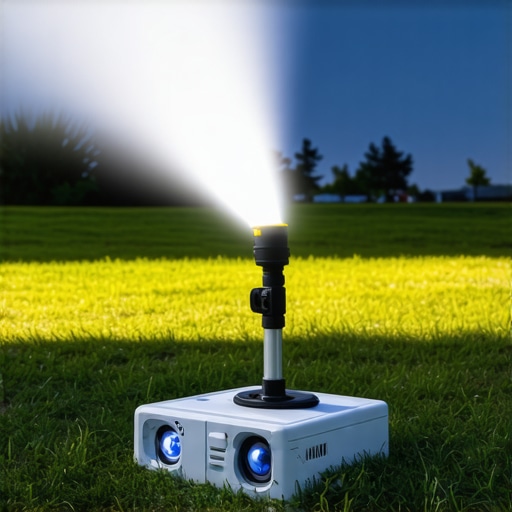
Comparing UST and Portable Projectors with Top Alternatives
Ultra-short-throw (UST) projectors and portable 4K models have gained popularity due to their flexibility and compact design, but how do they stack up against established options like dedicated home theater projectors and premium laser models? Understanding these differences helps consumers make informed decisions tailored to their needs.
Size, Price, and Setup Speed
One of the primary advantages of UST projectors is their space-saving design. They can be placed just inches from the wall, simplifying setup and eliminating the need for extensive ceiling mounts. In contrast, traditional home theater projectors often require dedicated installation space, ceiling mounting, and more precise calibration, which may increase setup time and costs.
Portable projectors, while highly versatile, tend to be more affordable but may lack the brightness and image clarity of high-end models. They are perfect for on-the-go scenarios but may fall short in large or well-lit rooms. For budget-conscious users seeking an easy plug-and-play setup, UST projectors offer an attractive middle ground between portability and performance.
Image Quality and Brightness for Different Environments
When comparing image quality, high-end laser projectors—like those from Sony or Epson—are designed for dedicated home theater rooms, delivering 4K resolution with exceptional color accuracy and contrast ratios. These models often feature contrast ratios exceeding 10,000:1, providing cinema-like depth and detail. While more expensive, they are noteworthy for their exceptional image fidelity in controlled lighting conditions.
UST projectors typically deliver impressive brightness levels, often 2500 lumens or higher, sufficient for daytime viewing or rooms with ambient light. However, they may not match the deep blacks or color richness of premium laser projectors. Conversely, portable models generally hover around 1000-2000 lumens, suitable for dark environments but less effective in lit spaces.
Smart Features and Connectivity
A key benefit of modern projectors—regardless of type—is integrated smart platforms. UST and portable models often come with built-in Android TV or Roku, enabling immediate access to streaming services without extra devices. High-end home theater projectors increasingly incorporate similar smart functions, though some require external streaming boxes or receivers.
Connectivity options like Wi-Fi, Bluetooth, and HDMI ports ensure seamless content sharing. While portable and UST projectors often excel here due to their emphasis on wireless streaming, premium models sometimes prioritize image quality over connectivity features, so it’s essential to choose based on your usage patterns.
What about Laser Projectors and Their Role?
Laser projectors, especially those from brands like Sony’s UBP-X series, provide vibrant 4K images with remarkable brightness and longevity, making them ideal for dedicated theater rooms. They tend to come at a higher price point but justifies this with superior contrast, precise color rendition, and minimal maintenance. For users prioritizing cinematic quality and durability, laser projectors are the premium choice.
However, their size and setup complexity often make them less suitable for temporary or mobile use. If portability and ease of use are foremost, UST or portable models remain attractive options, though with slightly compromised image depth.
Is It Worth the Upgrade?
If you’re contemplating moving from a standard entry-level projector to a dedicated home theater laser model, weighing benefits is crucial. While laser projectors offer best-in-class visuals, they come with a hefty price tag, often thousands of dollars more. For casual to moderate use, a high-quality UST or portable 4K projector can deliver excellent viewing experiences at a fraction of the cost.
To explore current deals and compare prices, check out the official pages of top brands or visit comparison sites like TechRadar or CNET for detailed reviews and ratings.
If image quality and cinema-grade performance are your top priorities, investing in a higher-end laser projector may be justified. However, for versatility and instant setup, UST and portable projectors provide impressive value and flexibility.
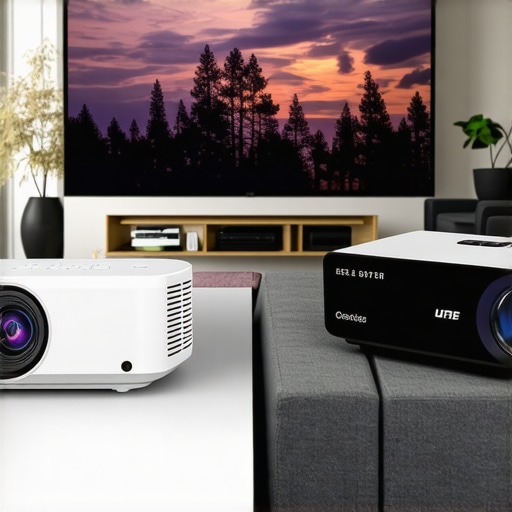
The Pros and Cons of Modern Smart Projectors
- Pros: Impressive brightness, crisp 4K resolution, smart app integration, and versatile placement options make these projectors suitable for various settings.
- Cons: Some models still face issues with overheating during extended use, inconsistent Wi-Fi connectivity, and brightness limitations in direct sunlight.
Who Should Grab a Smart Projector Now?
These projectors are ideal for tech-savvy homeowners seeking space-saving entertainment solutions, outdoor movie enthusiasts wanting portability, or those on a budget aiming for a cinematic experience without high-end TV costs. However, skip this if you require flawless color accuracy for professional editing or plan to use the projector in bright environments constantly, as even the best models struggle in full daylight.
Final Verdict: 8/10
Modern smart projectors have become a compelling alternative to traditional TVs, offering flexibility and impressive image quality at a more affordable price point. While not a perfect replacement for high-end OLEDs, especially for color-critical work, they serve well in varied scenarios, from backyard cinemas to small living rooms.
If you prioritize convenience, portability, and a decent cinematic experience, a smart projector is highly recommended. For those demanding top-tier color accuracy or outdoor performance in bright daylight, consider upgrading to premium laser projectors or dedicated home theater setups. Curious about the best deals? Check the latest [smart projector discounts](https://laserprojectordeals.com/why-4k-home-theater-projectors-need-high-speed-hdmi-cables) or explore other options before making your purchase decision.