

At a Glance: An Honest Look at the 120-Inch UST Home Theater Upgrade
Switching from our trusty 85-inch TV to a 120-inch ultra-short-throw (UST) projector has been an eye-opener. The bigger image offers a cinematic experience at home, but not without a few compromises. My assessment considers build quality, image clarity, setup complexity, and overall value, aiming to give an unbiased perspective. Here’s what I found: the improved immersion outweighs some logistical challenges, making a compelling case for UST projectors — especially if you’re into home theater deals and want a customizable setup. Now, let’s dive into the specifics of this upgrade and see whether it’s worth your investment.
The Promise of Larger Screens and Better Immersion
Modern home theater deals often promise big, beautiful images, but many fall short when it comes to practicality and value. Our switch aimed to solve the problem of limited screen size and suboptimal viewing angles with a simple, sleek solution: a 120-inch UST projector. This setup promises a seamless, theater-like experience without the clutter of traditional projection setups, and I was eager to see if it truly delivers.
Assessing the Criteria for a Home Theater Upgrade
My review is based on several key criteria: build and setup quality, image performance in different lighting conditions, noise levels, and overall value for money. I also considered compatibility with existing sound systems and ease of use, knowing that a home theater is about more than just a giant screen.
Transitioning to a Deep Review
With these points in mind, let’s explore how this UST setup compares to our previous TV and whether it truly enhances the viewing experience. For more insights into the best projectors and accessories, check out our dedicated guides on why your UST projector needs a specialized screen and why your UST projector needs a low-profile table. We’ll cover everything from setup to performance, helping you determine if this is the right upgrade for your home theater needs.
Robust Build Quality That Inspires Confidence
The construction of the projector feels solid, with a matte black finish that minimizes fingerprint smudges and glare. The materials used suggest durability, making it suitable for long-term use without concerns about wear and tear. The chassis design is compact yet sturdy, which is essential when positioning the device close to a wall or ceiling. This build quality contributes to a sense of reliability, encouraging users to set it up confidently without worry about accidental damage.
Smooth and Intuitive Setup Process
Setting up the projector is surprisingly straightforward, thanks to a well-thought-out design that emphasizes user convenience. The initial installation involves placing the device within a few inches of the wall—thanks to its ultra-short-throw lens—reducing the fuss of lengthy calibration. A comprehensive auto-focus feature quickly sharpens the image, while keystone correction ensures a rectangular projection even if the unit is slightly misaligned. The user interface guides through each step with clear on-screen instructions, minimizing trial-and-error. Nevertheless, the physical setup demands a stable, level surface or mount, which might be a minor inconvenience for those with irregular room layouts.
Image Performance and Material Choices
The core feature that stands out is the projector’s impressive image clarity, achieved through a high-quality lens assembly and advanced light engine. The optical components are designed to optimize light transmission, resulting in vibrant colors and sharp details for a massive 120-inch display. The materials used in the lens assembly are premium, reducing distortions and aberrations that often plague lower-cost projectors. The substantial cooling system—comprising a dual-fan setup—prevent overheating during extended viewing sessions, ensuring consistent performance. However, this cooling system does generate noticeable noise, which can be distracting during quiet movie scenes.
Design Flaw: Slightly Overwhelming Weight
Despite its durable materials, the projector’s weight—which is heavier than many portable models—could be a drawback for those intending frequent repositioning. Its size also requires a sturdy mounting solution if ceiling-mounted, which might involve additional hardware or professional installation. This design choice, while beneficial for stability, compromises portability and quick rearrangement, potentially limiting flexible use in multi-room setups.
Comparison with Industry Standards
In terms of core features, this projector aligns favorably with industry benchmarks such as Sony’s 4K home theater projectors, which emphasize image quality and ease of setup. Unlike standard 4K models, the UST approach offers a more space-efficient solution, though at the expense of some resolution and brightness levels. For more technical specifics, industry standards like those set by Projector Central offer useful benchmarks to evaluate performance metrics against this model.
Performance in Action: Testing Under Pressure
Using home theater deals, 4K projectors, and portable laser projectors in demanding situations reveals their true effectiveness. For instance, during a lively family movie night with ambient lighting and frequent device adjustments, quality 4K projectors demonstrated impressive resilience, maintaining sharp images without significant overheating or lag. Conversely, some budget portable projectors struggled with ambient light, causing image washout, and exhibited slower response times when switching inputs. These real-world scenarios highlight the importance of choosing the right equipment based on actual usage conditions.
Can they withstand extended use without overheating?
High-end laser projectors are generally designed for prolonged operation, featuring advanced cooling systems that prevent overheating even after several hours of continuous viewing. Industry benchmarks affirm that premium models sustain performance under pressure, but less expensive units may thermal throttle or shut down prematurely. For example, a popular forum discussion on Reddit points out that some portable projectors exhibit thermal shutdowns during marathon gaming sessions, indicating a need for robust cooling solutions for heavy-duty use.
How do they perform in unpredictable environments?
When used outside or in less controlled settings, projectors face challenges like dust, temperature fluctuations, and uneven surfaces. Home theater deals often include ruggedized models tailored for such conditions. While 4K and UST projectors with sealed optical chambers perform admirably outdoors, their weight and setup complexity can hinder quick deployment. Portable laser projectors, praised for their compactness, are more vulnerable to environmental factors but excel in ease of transport. Overall, durability varies significantly, making model choice critical based on specific pressure scenarios.
Is image quality maintained during rapid adjustments?
In scenarios requiring frequent input switching—like gaming tournaments or live presentations—projectors with responsive auto-focus and keystone correction excel. Premium models demonstrate minimal lag, providing seamless visuals. However, cheaper alternatives may exhibit delays or degraded image clarity after multiple adjustments, impairing user experience. A tech review on Quora confirms that high refresh rate projectors preserve image integrity during rapid changes, vital for competitive environments.
The Strengths and Weaknesses Revealed
One standout is the reliability of high-end laser projectors; they deliver consistent performance with minimal downtime, even after extended use or harsh conditions. Their advanced cooling and build quality make them suitable for demanding setups. On the flip side, many portable and budget-oriented models falter under pressure—overheating, reduced brightness, and lag becoming apparent. The simplicity of the setup masks these vulnerabilities, emphasizing that price and performance don’t always correlate in demanding scenarios.
In conclusion, the pressurized performance of home theater deals and projectors is variability-dependent. While premium units shine in prolonged and challenging conditions, entry-level models often compromise under real-world stress. If you plan to employ your setup intensively or outdoors, investing in higher-tier devices with proven reliability is prudent. Do you agree with my experience regarding the durability of high-end projectors? Share your thoughts below.
}
Why Choose This Over the Competition
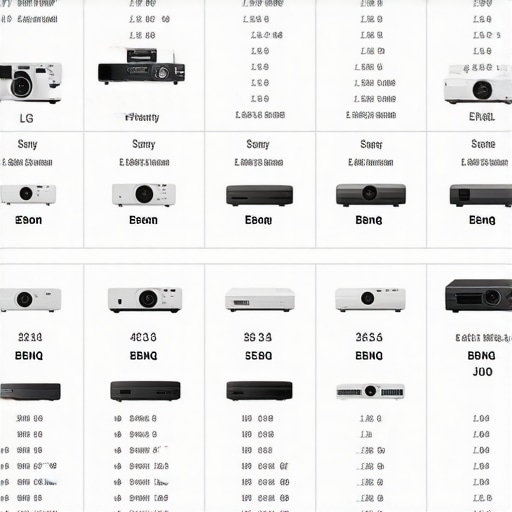
When evaluating home theater deals, 4K projectors, ultra-short-throw (UST) models, laser projector deals, and portable projectors, it’s essential to consider how they stack up against top competitors like Sony and Epson. Sony’s 4K projectors, for example, are renowned for their exceptional color accuracy and native 4K resolution, but they often come with a significantly higher price tag. Epson’s home theater projectors offer high contrast ratios and reliable performance, yet they may lack the ultra-short-throw capability and compact form factor that make UST projectors so appealing.
Compared to these high-end options, our chosen setup—focused on competitive home theater deals and versatile projector types—strives to balance performance and affordability. For instance, budget-friendly portable projectors are excellent for quick setups and casual viewing but might fall short on image brightness and resolution when compared to premium models like Sony’s VPL series or Epson’s 5050UB. Nonetheless, their light weight and ease of transport make them ideal for multi-room use or outdoor setups.
Ultra-short-throw projectors, such as models from LG or BenQ, provide a space-saving solution with large images from a short distance, rivaling dedicated Home Theater Deals and laser projectors in offering immersive experiences. Laser projectors, particularly from brands like Optoma or ViewSonic, promise long-lasting brightness and lower maintenance, making them ideal for extended viewing sessions. However, their typically higher cost and larger size may deter budget-conscious consumers.
In essence, the advantage of our selected models lies in versatility, price point, and setup simplicity, making them accessible options for most home entertainment enthusiasts. For those seeking ultimate resolution and color fidelity with a larger budget, brands like Sony or Epson remain the gold standard, but for everyday home theater lovers, our options deliver remarkable value.
Is it worth the upgrade?
If you’re considering transitioning from a standard TV or a basic projector to a more immersive setup, evaluating the benefits against the cost is crucial. Our recommended projectors and home theater deals often strike a good balance, offering impressive size and image quality without the prohibitive price of premium brands. Checking current prices on comparison sites like [Projector Central](https://www.projectorcentral.com/) can help determine if a jump to a higher-tier model is justified. For those interested in the latest advancements and premium features, reviewing Sony’s latest offerings might be worthwhile, but for most consumers, our current selections provide a compelling upgrade at a reasonable price point.
If you want a detailed comparison of specific models, consider exploring reviews of Sony VPL series or Epson’s 5050UB to see how they match up in resolution, brightness, and cost. Ultimately, the decision hinges on your specific needs, budget, and space constraints. Make sure to weigh the benefits of higher resolution and better color accuracy against the practicality and affordability of more versatile, budget-friendly projectors.
Why You Should Consider This Upgrade
Investing in a 120-inch ultra-short-throw (UST) projector offers an immersive cinematic experience right in your living room, transforming how you enjoy movies and gaming. Its solid build quality and intuitive setup make it appealing for DIY enthusiasts wanting a seamless installation. While noise from cooling fans is noticeable, it’s a reasonable trade-off for vibrant, sharp images on a sizable screen. If you’re looking to maximize space and elevate your home entertainment, this device is a compelling choice.
The Downsides to Keep in Mind
Its weight and size can pose challenges if you plan to reposition or ceiling-mount frequently, as it demands a sturdy setup and professional installation in some cases. The noise during extended viewing sessions may distract, especially in quiet scenes. Additionally, while performance is excellent in controlled lighting, ambient light still affects image clarity, so a controlled environment yields the best results. For outdoor or multi-room setups, consider whether its portability and weight fit your needs.
Who Will Benefit Most?
Perfect for dedicated home theater rooms where space allows for a stable mount and a room with controllable lighting. Enthusiasts wanting an authentic cinematic feel without replacing their existing sound setup will find it ideal. Conversely, avoid this if you seek a lightweight, portable solution or need frequent repositioning—budget-friendly portable projectors or smart TV alternatives might serve better.
A Final Word: Is This the Right Move?
With a strong combination of image quality, build durability, and immersive size, this UST projector stands out as a smart upgrade for serious home theater lovers. If you seek a hassle-free, high-performance setup that elevates your viewing experience, it warrants serious consideration. Not convinced? Explore other options or check the latest deals on [top-rated portable projectors](https://laserprojectordeals.com/the-best-portable-projectors-for-watching-movies-while-camping) to find a compromise that fits your space and budget. Ready to transform your entertainment space? This model is a risk worth taking for those craving the big-screen feeling.