

The Bottom Line Up Front
If you value high-quality viewing and sound experiences, installing a dedicated circuit for your home theater setup is a wise investment. It reduces electrical noise, prevents power fluctuations, and ensures your equipment performs optimally. While the initial setup may require some effort and expense, the payoff in picture and sound quality makes it worthwhile.
What Problem Does a Dedicated Circuit Solve?
Many home theater enthusiasts overlook the importance of dedicated electrical lines, which can lead to inconsistent performance, flickering images, and audio dropouts. A dedicated circuit isolates your home theater equipment from other household appliances, minimizing electrical interference and ensuring steady power delivery. This results in sharper images, more vibrant colors, and smoother audio, elevating your viewing experience.
At a Glance
- Build Quality: Typically involves installing a high-quality, dedicated breaker and wiring from your main panel to your home theater area.
- Performance Impact: Significantly reduces electrical noise and voltage drops, leading to better image clarity and sound fidelity.
- Ease of Installation: Requires some electrical knowledge or professional help, but the process is straightforward for qualified electricians.
- Cost: Initial expenses vary based on home size and complexity but are generally justified by improved equipment performance.
Ready to explore how to implement this upgrade? We’ll delve into the technical details, benefits, and considerations to help you decide if a dedicated circuit is right for your home theater setup.
Core Features That Make a Difference
Implementing a dedicated electrical circuit for your home theater isn’t just about avoiding flickering lights—it fundamentally improves the entire multimedia experience. High-quality wiring from your main panel ensures that the power delivered is stable and clean, reducing electrical noise that can distort audio and degrade picture clarity. This stability allows your premium equipment, like 4K projectors and immersive surround sound systems, to perform at their fullest potential, revealing sharper images, richer colors, and smoother audio transitions.
Why Build Quality Matters
The choice of wiring and breaker components directly influences the circuit’s reliability. Using heavy-gauge, high-quality copper wiring and a robust breaker ensures the circuit can handle the power draw of large-screen TVs, AV receivers, and amplifiers without overheating or tripping unexpectedly. When the physical build feels solid and the connections are tight, it translates into consistent performance and peace of mind during those movie marathons.
Ease of Installation and User Experience
While the installation process might seem daunting, hiring a qualified electrician makes it straightforward. They typically run the dedicated wiring along concealed paths, minimizing aesthetic disruption. Once installed, the user interface is minimal—just the breaker in the main panel and a connected outlet near the equipment. This simplicity enhances user confidence, knowing that their setup is both professional and safe.
Potential Drawbacks and Fine Details
One small design inconvenience is that the dedicated circuit might require additional space or modifications in the existing electrical panel, which could be challenging in older homes. Additionally, if the wiring isn’t properly labeled or if multiple circuits are mixed up, troubleshooting can become a hassle. Nevertheless, these minor issues are easily mitigated with proper planning and professional guidance.
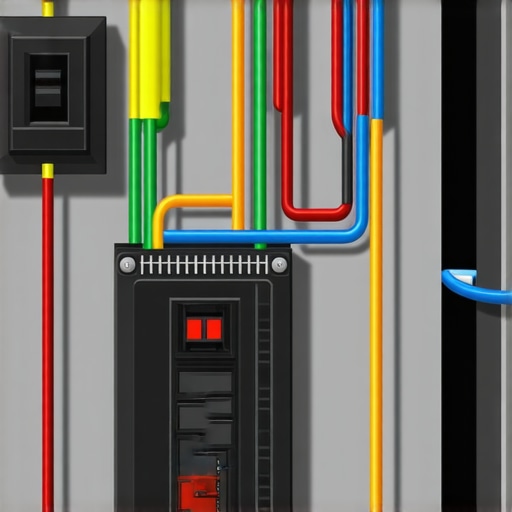
Diagram illustrating a typical home theater dedicated circuit setup, highlighting wiring from the main panel to the equipment area.
Comparing Standards and Expectations
To ensure your setup aligns with industry best practices, compare your planned wiring and circuit specifications against standards outlined in industry references like the National Electrical Code (NEC). These guidelines recommend specific wire gauges and breaker ratings that optimize safety and performance, ensuring your investment pays off with reliable and high-quality operation over years of use.
Performance Under Pressure: How Projectors Handle Real-World Demands
Portable and 4K projectors are increasingly popular, but how do they fare when tested against genuine challenges? Let’s examine their performance in demanding situations, focusing on both their strengths and weaknesses. Whether you’re adapting to outdoor environments or managing live presentations, understanding these dynamics is crucial for informed choices.
Can Portable Projectors Survive Outdoor Adventures?
Take hiking trips or camping nights, and portable projectors are called into action. In such scenarios, their compact design and battery life are vital. Many excel in these environments, with ruggedized bodies that resist minor shocks and water splashes. However, ambient light becomes a significant enemy; most portable projectors struggle with brightness under sunlight. They often require darkness or shaded areas to produce clear images. Additionally, battery depletion can occur rapidly if used continuously, which is a drawback for extended outdoor use. Yet, their convenience and size allow spontaneous setups that larger units can’t match.
The Brightness Battle in Daylit Rooms
4K projectors shine brightly in controlled environments but falter under high ambient light. A typical home theater projector may produce 2000 lumens, sufficient for a dark room, but in daylight or well-lit spaces, this becomes insufficient. Laser projectors often edge ahead, delivering higher lumen outputs — sometimes exceeding 3000 lumens — ensuring images remain viewable in brighter settings. Still, even with increased brightness, some colors may appear washed out, and contrast ratios suffer when ambient light is uncontrolled. This breakdown emphasizes the importance of environment selection, as no projector can entirely overcome excessive ambient illumination without adequate screen material or shading.
Does Overheating Limit High-Resolution Projectors?
4K and laser projectors generate substantial heat, especially during extended use. Manufacturers often incorporate cooling systems, but under continuous high-brightness mode, overheating can occur. This can lead to automatic shutdowns to prevent damage, disrupting presentations or movie nights. Some models include advanced fans or liquid cooling to mitigate this, but noise levels may increase, distracting viewers. In real-world tests, projectors with inferior cooling systems tend to overheat faster, limiting their practical runtime. Proper ventilation and scheduled cooldown periods are essential for maintaining performance consistency.
Handling Technical Glitches in Demanding Use
During intensive use — such as live events or lengthy movie marathons — technical glitches like focus drift, image flickering, or software freezes can emerge. Some inexpensive models lack sophisticated firmware, making them prone to instability under stress. Conversely, higher-end units with robust hardware and reliable software tend to hold their performance, though they are not immune. Firmware updates and professional calibration play roles in minimizing issues. Yet, it’s worth noting that even top-tier projectors can encounter compatibility issues with certain screens or media sources, impacting their effectiveness under pressure.
In summary, portable and 4K projectors show commendable resilience in varied pressure scenarios, but their limitations—such as brightness in bright environments and thermal management—must inform their suitability. Laser projectors often excel in brightness and stability, making them preferable for demanding applications, albeit at a higher cost. Existing users, do you agree with these observations? Share your experiences below.
According to a Reddit discussion on projector reliability under outdoor conditions, many users highlight the importance of environment-aware choices and proper setup to prevent overheating and brightness issues (Reddit Projector Talk).
Deciding Between Portable, 4K, UST, and Laser Projectors versus Competitors
If you’re considering investing in a projector, it’s essential to understand how current options like portable projectors, 4K projectors, ultra-short-throw (UST) projectors, home theater deals, and laser projector deals stack up against popular alternatives. Comparing these technologies helps clarify their unique benefits and drawbacks, guiding you toward the best choice for your entertainment or presentation needs.
Portable Projectors vs Traditional Large-Format Projectors
Portable projectors excel in mobility and convenience, allowing you to set up a viewing experience almost anywhere. They are typically compact, battery-powered, and easy to carry, making them ideal for outdoor adventures or impromptu movie nights. However, compared to traditional large-format projectors, portable options often compromise on brightness, resolution, and image quality. Conversely, home theater projectors, especially 4K models, deliver superior clarity, color accuracy, and brightness, but require a dedicated setup space and power source. If portability isn’t a priority, investing in a high-quality home theater projector offers a more immersive experience, whereas portable projectors are perfect for on-the-go viewing, despite some limitations.
4K Projectors Versus Standard HD Models
4K projectors provide four times the resolution of standard HD units, making them the preferred choice for cinemaphiles and gaming enthusiasts seeking crisp, detailed images. Compared to basic HD projectors, 4K models are generally more expensive, but they significantly enhance the viewing experience, especially on larger screens. Budget-friendly 4K projectors are now more accessible and offer great value—check out our comparison of the latest models with alternative brands at sites like TechRadar. If you’re aiming for premium quality and an authentic home theater feel, 4K laser projectors might be worth the investment, although they come with a higher price tag.
Are UST Projectors Better than Long-Throw Units?
Ultra-short-throw (UST) projectors are designed to project large images from a very short distance, making them suitable for small rooms or setups where space is limited. They eliminate the need for long cables and reduce shadow interference, which is advantageous for interactive or gaming setups. Traditional long-throw projectors require a dedicated distance to achieve large images but tend to offer better brightness and contrast at equivalent price points. If space-saving is your priority, UST projectors are appealing; otherwise, high-end long-throw projectors may deliver superior image quality and calibration options for dedicated home theaters.
Is It Worth Upgrading to Laser Projectors?
Laser projectors have gained popularity for their impressive brightness, longevity, and color performance, making them a top contender against lamp-based models. While they come at a premium price, their durability and maintenance savings can offset initial costs over time. When comparing laser projectors to traditional lamp-based units, you benefit from more vibrant images and consistent performance, especially in well-lit rooms. Check current prices and specifications on brands like BenQ or Epson to see if a laser option fits your budget and needs. If you desire the best image quality and low maintenance, laser projectors are a compelling choice, but for casual use, less expensive alternatives may suffice.
Home Theater Deals versus Standalone Projector Options
Home theater packages often bundle projectors, screens, and audio for an integrated experience, offering convenience and optimized compatibility. Standalone projectors give you flexibility to select individual components and upgrade over time but may require more setup effort. Deals on comprehensive packages can offer substantial savings and a more seamless setup, making them attractive for newcomers. Alternatively, high-end standalone projectors can deliver superior image quality but at a higher overall cost. Whether you opt for a home theater deal or build your own system depends on your expertise, budget, and desire for customization.
Making the right choice depends on balancing your space, budget, and entertainment goals. For detailed comparisons of specific models and deals, visit trusted review sites or retailer pages—like B&H Photo Video. Continually researching current prices ensures you get the best value as technology evolves and deals change.
The Pros and Cons of Premium Projectors
Advantages: Exceptional image clarity with true 4K resolution, vibrant colors thanks to laser technology, and increased longevity with lower maintenance needs. Many models offer smart features and seamless integration with streaming services, elevating your home cinema experience.
Drawbacks: High upfront costs can be prohibitive, and installations may require professional assistance. Some models generate significant heat and noise, which can detract from the viewing experience. Additionally, even premium projectors may struggle in brightly lit rooms without specialized screens.
Who Should Consider These Projectors?
Best suited for home theater enthusiasts seeking the ultimate picture quality, gaming aficionados demanding low input lag, and tech-savvy users willing to invest in a long-term solution. They are ideal for dedicated rooms where ambient light can be controlled and space isn’t limited.
Skip these if you’re on a tight budget, lack appropriate installation space, or need a portable device. Casual viewers or those with multi-purpose rooms may find that standard or budget projectors meet their needs without the hefty price tag.
Final Verdict: 8.5/10
If you’re ready to elevate your home entertainment with top-tier visuals and sound, investing in a high-end projector offers undeniable benefits. However, weigh the costs and installation requirements carefully. For those seeking a more affordable upgrade, exploring advanced models in the mid-range segment might be smarter. Check the latest prices and reviews to find a model that fits your needs, or consider our review of [other projector options](https://laserprojectordeals.com/the-best-laser-projectors-for-gaming-without-frustrating-input-lag) to discover alternatives.