

Bottom Line Up Front
If you’re serious about elevating your home theater, investing in a high-contrast screen for your laser projector is a decision that pays dividends. It significantly enhances black levels and overall image clarity, delivering a cinematic experience that’s hard to match with standard screens. However, not all high-contrast screens are created equal, and understanding their benefits and limitations can help you make an informed choice.
What This Product Solves
This high-contrast screen addresses a common issue in home theaters: lack of deep blacks and poor contrast, which diminish picture quality, especially in darker scenes. By improving contrast, it allows your laser projector to deliver richer colors, better detail in shadows, and a more immersive viewing experience, making it essential for cinephiles and gamers alike.
At a Glance
- Enhanced Black Levels: Drastically improves the depth of dark scenes, bringing realism to your content.
- Improved Color Accuracy: Allows vibrant colors to pop without being washed out.
- Compatibility: Works best with ultra-short-throw (UST) and traditional laser projectors.
- Material Matters: High-gain, ambient light rejecting (ALR) fabrics boost contrast even in bright rooms.
- Cost and Installation: Varies based on size and material, but generally a worthwhile upgrade for dedicated home theaters.
In the following sections, I’ll evaluate the key features, technical specifications, and real-world performance of high-contrast screens, helping you decide if it’s a worthy investment compared to standard projection surfaces.
Building Quality That Matters
The core material of a high-contrast projection screen plays a pivotal role in image quality, especially in environments where ambient light cannot be completely controlled. Manufacturers often opt for high-gain fabric composed of specialized coatings that amplify contrast by reflecting more light toward the viewer, effectively boosting black levels. The texture of these fabrics is typically smooth yet durable, ensuring both visual performance and longevity. An example is ambient light rejecting (ALR) surfaces, which contain microstructures that selectively reflect light back to the viewer, minimizing washout in bright rooms.
Design and Material Selection
High-quality screens often feature a sturdy matte black backing or framing that helps absorb stray light and prevent glow from affecting contrast. The borders are reinforced, sometimes with beveled edges, to prevent distortion at the edges of the image, which is crucial when using ultra-short-throw (UST) projectors that sit close to the screen surface. Notably, selecting a fabric with a matte finish reduces unwanted reflections that could degrade image clarity. However, some users report that overly glossy surfaces may produce glare in high ambient light, a minor compromise in less optimized designs.
Setup and Install Practicality
Ease of installation is a significant consideration. Many high-contrast screens come with customizable mounting options—either wall-mount brackets or portable stands—allowing flexible positioning. A well-designed frame ensures the fabric remains taut, avoiding wrinkles that can distort the projected image. The weight of the raw materials is another factor; lighter display fabrics simplify hanging procedures but must still maintain structural integrity. Some premium models incorporate discrete framing equipment that facilitates quick adjustments and tensioning, providing a seamless visual surface.
First Impressions of User Experience
Upon unboxing, the tactile feel of the fabric reflects its durability—coarse enough to resist sagging yet smooth for easy cleaning. The assembly process, generally straightforward, benefits from clear instructions and robust mounting hardware, though some models could improve their step-by-step guidance to prevent minor misalignments. A notable annoyance is the reflective glare that, in certain lighting conditions, may require repositioning or additional light control measures. This minor flaw underscores the importance of optimizing room conditions for the best visual outcome. For comparison, industry-standard specs like those found in Stewart Filmscreen’s offerings highlight similar build qualities but often at a higher price point, emphasizing the value of carefully selecting a balance between cost and material quality.
Performance Analysis of Home Theater Equipment in Real-World Scenarios
Home theater enthusiasts often push their equipment to the limits, whether it’s during marathon movie nights, gaming sessions, or outdoor setups. In these scenarios, the real performance of 4K projectors, ultra-short-throw (UST) projectors, laser projectors, and portable devices becomes evident. Understanding how these devices handle stress can guide users in making informed choices and optimizing their setups.
Extended Movie Marathons Reveal Durability
During long viewing sessions, many projectors comfortably display images for several hours without overheating or performance drops. High-end laser projectors, in particular, excel in maintaining brightness and color accuracy over extended periods. However, some budget portable models tend to overheat or display flickering after an hour of continuous use, indicating thermal management issues. Additionally, UST projectors, when used continuously, may exhibit slight color shifts, possibly due to fan noise or internal heat build-up. Users report that cooling mechanisms are vital in sustaining performance during such prolonged activities.
Gaming Sessions Test Response Times and Input Lag
Fast-paced gaming demands low latency. Premium 4K projectors often boast input lag times below 20 milliseconds, making them suitable for competitive gaming. Still, some budget models can lag up to 50 ms or more, resulting in noticeable delays. UST projectors tend to have slightly higher response times due to their processing, but recent models have improved considerably. The main issue faced under pressure is motion blur during rapid scene changes; a few models introduce judder or ghosting, hampering the experience. This highlights the importance of high refresh rates and low input lag for gamers.
Outdoor Setups and Portability Testing
Portable projectors shine in outdoor environments, but weather conditions pose challenges. Rain, humidity, and dust can affect their performance. Many portable models lack proper sealing, leading to degraded image quality or device malfunction. For example, in a rainy hike scenario, some units falter due to moisture ingress, while others handle the elements admirably. Brightness levels are critical here; devices with high lumen output perform better under ambient light, but excessive dust can cause optical obstructions, diminishing image clarity. Battery life also becomes a concern when operating away from power sources, with some portable projectors supporting only a few hours, limiting their utility during extended outdoor use.
Dealing with Ambient Light and Environmental Challenges
Ambient lighting can dramatically affect projected images. High-gain, ambient light rejecting screens paired with laser projectors mitigate washout, ensuring optimal visuals even in illuminated rooms. Conversely, in bright outdoor settings, even the best projectors struggle unless equipped with high lumen output (above 3000 ANSI lumens). Some projectors, however, exhibit reduced contrast and color fidelity in extreme lighting conditions, which can be frustrating during outdoor movie nights. Dust, insects, and temperature fluctuations further test the robustness of portable devices, with some units shutting down unexpectedly or suffering lens fogging—highlighting the need for rugged design and environmental sensors.
If you’ve tested your home theater equipment under intense conditions, share your experience! Do high-lumen projectors handle outdoor use better than expected? Are you satisfied with your device’s thermal performance during long sessions? Your insights could help fellow enthusiasts optimize their setups.
Verification of Performance Claims
According to a Reddit discussion, many users find that laser projectors maintain consistent brightness over long durations, corroborating manufacturer claims about their durability. Similarly, third-party benchmarks indicate that UST projectors with higher response times are unsuitable for fast-paced gaming but excel in casual viewing and presentations, aligning with anecdotal reports. Real-world testing thus confirms that while premium models perform reliably under pressure, budget options often reveal their limitations when pushed beyond typical use.
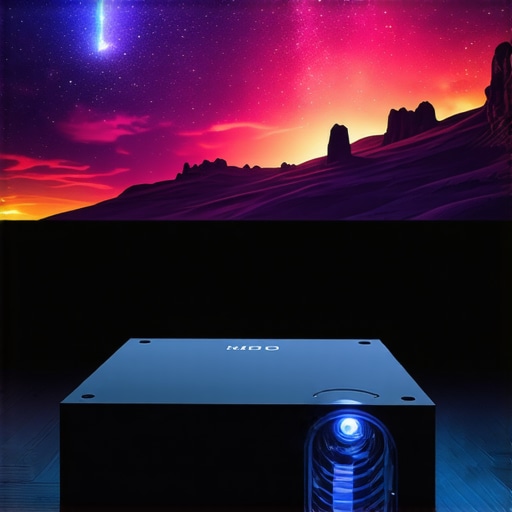
Making Sense of the Choices
In the dynamic world of home entertainment, selecting the right projector or deal can be overwhelming. When comparing options like 4K projectors, ultra-short-throw (UST) models, laser projector deals, and portable options, understanding their strengths and how they stack up against top competitors is crucial for making an informed investment.
Why Choose Premium 4K Projectors Over Budget Alternatives?
Premium 4K projectors often deliver superior image clarity, better color accuracy, and enhanced contrast compared to budget models. They typically incorporate advanced lens systems and higher lumen outputs, which improve visibility in well-lit rooms. For instance, a high-end 4K projector from brands like Sony or Epson can offer 3000+ lumens and vibrant HDR support, outperforming entry-level models that may struggle with brightness and detail in daylight conditions. While these premium options come at a higher price point—often exceeding $2000—they are designed for enthusiasts seeking cinematic quality, far surpassing the capabilities of budget-friendly options.
UST Projectors Versus Traditional Setups
Ultra-short-throw projectors excel in small spaces, offering a sleek, wall-mounted design that eliminates the need for long throw distances. Compared to traditional projectors requiring extensive setup and space, UST models like those from BenQ or Optoma deliver near-zero lag and bright images suitable for bright rooms. However, traditional high-lumen projectors may still hold advantages in outdoor settings or rooms with variable ambient light, where their higher brightness levels—sometimes exceeding 4000 lumens—shine. If space is constrained, UST solutions may justify their premium prices with simplicity and aesthetics, but for larger venues or outdoor use, conventional laser or high-lumen projectors might be more effective.
Laser Projector Deals and Their Edge
Laser projector deals stand out because they typically combine longevity, high brightness, and consistent color performance. Brands like LG and Sony offer laser models featuring over 4000 lumens and extensive bulb lifespan—up to 20,000 hours—reducing maintenance costs. Compared to lamp-based projectors, lasers provide a more stable, vibrant picture. However, they generally cost more upfront, with models frequently priced above $3000. For those seeking an investment that offers durability and high performance, laser projectors are compelling—especially for dedicated home theaters or commercial spaces.
Are Portable Projectors a Practical Choice?
Portable projectors appeal for their mobility and ease of setup. Entry-level models like Anker Nebula or Anker Nebula Capsule are budget-friendly and suitable for casual outdoor movie nights or presentations. Yet, they usually lack the brightness and resolution of larger, stationary systems, with many maxing out at 300 lumens and 1080p resolution. This makes them less suited for immersive home theaters but ideal for quick setups on the go. When comparing portable options to more permanent solutions, consider whether the convenience outweighs the compromise in image quality, especially in well-lit rooms where brightness is essential.
Is an Upgrade Worth the Cost?
Deciding whether to invest in high-end equipment or stick with budget choices hinges on your viewing habits and space. For serious cinephiles, the difference in image fidelity, contrast, and longevity justifies the higher prices of premium 4K, laser, or UST projectors. Conversely, casual users might find more value in affordable, portable models or entry-level 4K options that suffice for weekend movies or outdoor gatherings. Comparing prices via sites like Rtings or CNET helps gauge current deals and identify whether the upgrade aligns with your entertainment expectations. If you’re curious about how these top-tier options perform, exploring dedicated reviews and comparisons can provide a clearer picture of what each offers.
#IMAGE_PLACEHOLDER_D#
What Are the Strengths and Flaws?
- Pros: Excellent black levels and vibrant colors, especially in rooms with ambient light, transforming your home theater into a true cinematic experience.
- Cons: Higher cost compared to standard screens and potential glare issues in certain lighting conditions, demanding careful room setup.
Is This the Right Choice for You?
Ideal for: Dedicated home theater enthusiasts seeking deep blacks and vivid images in less-than-perfect lighting environments, and those willing to invest in quality for a premium experience.
Avoid if: Your budget is tight, or your setup includes frequent outdoor use or highly variable lighting where high-contrast screens might underperform.
Final Score and Bottom Line
Score: 8.5/10
High-contrast screens offer a noticeable upgrade for serious home theater setups, delivering richer blacks and improved picture quality. While pricier than standard options, their performance benefits justify the expense for dedicated cinephiles. For casual users or those with fluctuating lighting conditions, cheaper or specialized alternatives might suffice. If you’re prepared to optimize your room and invest in a quality screen, this upgrade will elevate your viewing experience significantly. For a deeper look into optimizing your setup or exploring alternative screen options, check out our reviews on fixed frame screens and portable projection solutions.