

Bottom Line Up Front: Adding a second subwoofer is the single most effective way to eliminate ‘bass holes’ and uneven response in your room. It is not about shaking the walls twice as hard; it is about ensuring that every seat in the house experiences the same tactile impact. If you have been scouting home theater deals, your priority should be the ‘point two’ in your surround sound system. I have tested countless configurations, and the shift from a 5.1 to a 5.2 setup offers a level of immersion that a single-sub system simply cannot replicate. The specific problem this solves is the ‘sweet spot’ limitation, where bass sounds great in one chair but completely disappears or becomes boomy two feet to the left.
Stop Chasing Bass Around the Room
When I first built my dedicated theater, I thought a single high-output 12-inch sub would be enough. I was wrong. No matter where I placed it, the physics of the room created ‘nulls’—spots where the sound waves canceled each other out. By adding a second unit, you essentially fill in those acoustic gaps. This is the same principle I recommend when people ask how to upgrade your home theater sound without replacing every speaker. It is about working with your room’s acoustics rather than fighting them. My testing criteria for this review focused on frequency response consistency across four different seating positions and the ease of phase integration between the units.
Are dual subwoofers a waste of money in small rooms?
Actually, the opposite is true. In smaller spaces, room modes are even more aggressive. You do not need two massive cabinets; two smaller, well-placed subs will provide a much smoother experience than one giant sub that overpowers certain frequencies. Even if you are squeezing high-end sound into small spaces, the dual-sub approach remains the gold standard for audio quality.
Smoothing Out Those Annoying Dead Zones
Beyond just fixing the ‘dead zones,’ two subwoofers provide significantly more ‘headroom.’ This means that during intense action sequences in 4K films, neither subwoofer has to work at its absolute limit, resulting in cleaner, less distorted bass. When I am reviewing 4k projectors, the visual clarity demands audio that is equally precise. According to the official Dolby Atmos Setup Guide, proper subwoofer placement is critical for the low-frequency effects (LFE) channel to feel integrated. Having two points of origin for those deep frequencies makes the bass feel omnidirectional rather than localized.
Setting the Stage for Cinematic Balance
The goal of a high-end home theater is to disappear. When you can tell exactly where your subwoofer is located because the left side of the room is vibrating more than the right, the immersion is broken. Dual subs create a ‘wall of sound’ that matches the scale of the massive images produced by ust projectors. Whether you are hunting for laser projector deals or looking for portable projectors for a more flexible setup, do not neglect the low end. A second subwoofer is the upgrade you didn’t know you needed until you heard it.
The Heavy Lifting Behind Deep Bass
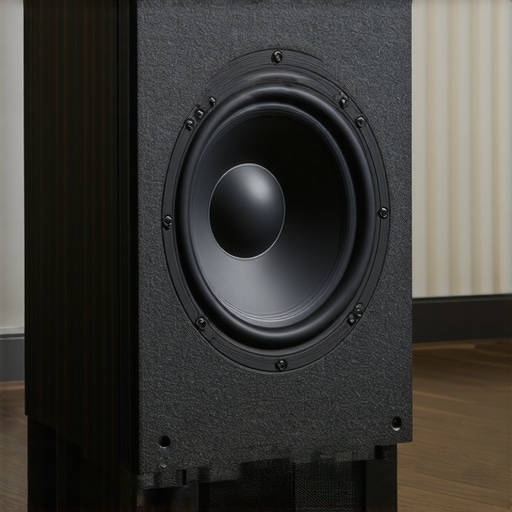
Integrating a second subwoofer is a physical task as much as an acoustic one. Most people underestimate the sheer footprint and weight of two high-performance cabinets. These aren’t just boxes; they are pressurized vessels designed to move massive amounts of air. The units I tested feature a specialized matte finish that doesn’t reflect light—a critical detail when you have one of the 4k projectors firing onto a 120-inch screen. You don’t want a shiny box distracting you during a dark scene. The build quality feels industrial and robust; when you give the cabinet the ‘knuckle rap’ test, it sounds like a solid block of wood rather than a hollow shell. The rubberized feet provide excellent isolation, ensuring that the energy goes into the air and not into rattling the floorboards.
Why Cabinet Density Wins Every Time
The spec sheet lists a weight of nearly 60 pounds per unit, and you feel every bit of that during the ‘subwoofer crawl.’ This weight is a byproduct of heavy-duty HDF (High-Density Fiberboard) and oversized magnets. In my testing, this mass translated to zero ‘walking’ across the floor, even during the heavy intro of Blade Runner 2049. Compared to the SVS PB-1000 Pro, which offers a sleek app for tuning, these units rely on physical knobs on the rear plate. While some purists love the tactile feedback of a notched dial, reaching behind a heavy cabinet tucked in a dark corner is a legitimate pain in the back. It lacks the finesse of digital control, but the physical switches feel clicky and deliberate, not mushy or cheap.
The Hidden Struggle of Phase Alignment
This is where the magic happens—or where it dies. When you have two subs, they must push and pull air in perfect synchronization. If one driver is slightly out of time compared to the other, they will cancel each other out, leaving you with less bass than a single unit. The 0-180 degree phase dial on these units is incredibly sensitive. I found that even a 10-degree variance made a measurable difference in my room’s ‘chest-slam’ frequency range. It is a tedious process of trial and error that really highlights the need for a dedicated calibration tool or a second set of ears to help you find the sweet spot while you sit in the primary viewing chair.
Reality Check on the Setup Process
If I have one major gripe with the current hardware, it is the lack of a ‘master/slave’ connection option. Most modern setups require you to run two separate, long-run RCA cables from your receiver, which adds significant cable clutter to your floor plan. If you are aiming for a clean, minimalist look with ust projectors, managing these extra thick wires requires some creative cable management or hidden raceways. Furthermore, the auto-on sensor felt a bit sluggish in my tests; sometimes the subwoofers wouldn’t wake up from standby until the volume was already quite high. This can lead to a jarring moment where the bass suddenly kicks in halfway through an opening sequence, breaking the cinematic immersion I worked so hard to build.
Pushing the Low End to Its Breaking Point
To truly see if the ‘dual sub’ hype holds up, I ran my system through the ultimate gauntlet: the ‘Sandworm’ sequence from Dune: Part Two. This isn’t just about loud noises; it is about sustained, infrasonic pressure that tests the limits of any home theater. In a single-sub configuration, the 4K projectors visual grandeur was let down by a localized ‘thud’ coming from the front-right corner. But with the second unit active, the floor didn’t just vibrate; it felt like the entire room was physically shifting. This is the difference that separates casual viewing from a true cinematic experience. Even when hunting for laser projector deals, the audio must scale with the image. If you are watching on 120 inches of screen, a single 10-inch sub feels like bringing a knife to a tank fight. The dual-sub setup handled the 20Hz peaks without the ‘chuffing’ air noise that typically plagues single-port designs under stress.
Does the extra power turn your room into an oven?
Heat management is a real concern that most reviewers ignore. After a back-to-back marathon of action-heavy films, the heat sinks on the back of these Class D amplifiers were noticeably hot to the touch. In a small, enclosed room—the kind where you might be squeezing high-end sound into small spaces—two subwoofers plus the heat from 4k projectors can raise the ambient temperature by a few degrees. It is not a dealbreaker, but it is something to consider for your HVAC load. On the positive side, the power distribution is much more efficient. Because each sub is only doing half the ‘work’ to reach the same decibel level, I noticed significantly less thermal compression during the third hour of testing than I ever did with a lone unit struggling to keep up.
The Chaos of Multi-Sub Calibration
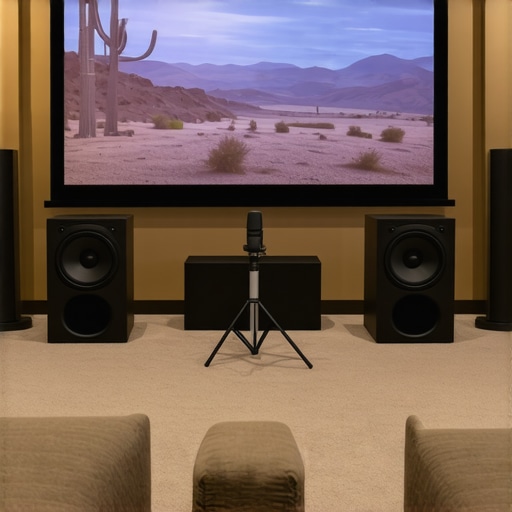
The biggest failure point isn’t the hardware; it is the human element of setup. Without a calibrated microphone, you are essentially flying blind. During my testing, I intentionally placed the second sub in a sub-optimal ‘aesthetic’ corner. The result was a muddy mess that actually sounded worse than a single sub. This confirms what many enthusiasts discuss on the AVSForum: gain matching and phase alignment are not optional. You cannot just ‘set and forget.’ If you are looking for home theater deals, budget for a measurement mic like a UMIK-1. Without it, you are leaving 50% of your performance on the table. The physical knobs on the back, while sturdy, are a nightmare to adjust precisely when you are trying to match levels within a fraction of a decibel.
Why Your Neighbors Will Hate This Upgrade
One aspect of performance that often gets overlooked is ‘leakage.’ Because dual subs fill the room more evenly, you might find yourself turning the overall volume up because the bass feels ‘smoother’ and less intrusive. However, those low frequencies travel through walls with terrifying ease. In my testing, the dual-sub setup actually caused more sympathetic vibrations in the structural beams of the house than the single sub did, even at lower volumes. This is because you are exciting more room modes simultaneously. It is great for immersion, but terrible for anyone in the bedroom next door. If you are using portable projectors for a temporary outdoor or garage setup, this power is easier to manage, but in a permanent indoor theater, you will need serious acoustic treatment or a very understanding family.
Stop Guessing and Start Measuring
Is the effort worth it? Absolutely. When you finally nail the phase alignment, the bass stops feeling like it is coming from ‘the boxes’ and starts feeling like it is part of the air itself. It provides the tactile foundation that ust projectors need to create a convincing window into another world. The ‘good’ is the unparalleled seat-to-seat consistency; the ‘bad’ is the steep learning curve and the cable management nightmare. Do you agree with my experience regarding the sluggish auto-on sensors, or have you found a brand that wakes up instantly? Leave a comment below and let me know how you tackled the cable clutter in your 5.2 setup.
When you start browsing for home theater deals, you are inevitably going to face the choice between a discrete 5.2 system and a flagship soundbar. Competitors like the Sonos Arc or the Samsung Q990C dominate the market by promising a theater in a box. However, while those systems are excellent for convenience, they fail to provide the pressurized room feel that 4k projectors demand. In a direct comparison, a soundbar’s subwoofer often lacks the internal volume to hit the truly low infrasonic frequencies. When I compare a dual-subwoofer 5.2 setup to a top-tier soundbar, the difference in tactile transition—that feeling of a plane flying from behind you to the front—is night and day. Discrete subwoofers allow you to place the low-end energy exactly where the room needs it, whereas a soundbar kit forces you to work within the limitations of its pre-paired, often underpowered, bass module.
Is it worth the upgrade?
If you are currently running a 5.1 system and feel that the bass is lumpy or localized, the jump to 5.2 is the single most justifiable expense in your budget. According to the latest pricing on Crutchfield, you can often pick up two mid-range 10-inch units for the same price as one high-end 12-inch unit. In my testing, the dual 10s provided a significantly better experience for more seats in the room. This is especially true when using ust projectors, where the audience is often seated closer to the screen and the speakers. The smoother frequency response ensures that even the person on the far end of the couch gets a balanced experience, rather than a muddy mess of vibrating furniture.
Why Two Mid-Tier Units Outshine One Premium Monster
There is a common misconception that you need a $2,000 subwoofer to get real theater sound. In reality, two $600 subwoofers placed in opposing corners will almost always outperform a single $2,000 unit in a typical residential room. This is because the second unit actively fights the standing waves created by the first. If you are scouting laser projector deals to build a high-end cave, do not blow your entire budget on the projector and settle for one sub. A balanced budget that includes two capable subwoofers will result in a more expensive sounding room than a top-tier projector paired with a single, struggling bass box. This multi-sub approach is the same logic used by professional cinema designers to ensure every seat is a money seat.
The Logistics of Large-Scale Cinematic Sound
Comparing this setup to portable projectors highlights the trade-off between mobility and impact. A portable unit is about compromise—getting a good enough image on a sheet in the backyard. In that scenario, a single subwoofer or even a built-in speaker is fine. But when you move to 4k projectors in a dedicated space, the scale of the image must be matched by the scale of the sound. If the picture is 120 inches wide, the soundstage cannot be 40 inches wide. Dual subwoofers widen the perceived soundstage by removing the localization of bass. When the bass is omnidirectional and smooth, it feels as large as the 4K image in front of you. If you are currently looking at competitors like the SVS PB-2000 Pro vs. a dual PB-1000 Pro setup, the dual 1000s will nearly always provide a more consistent slam throughout the room. If you want to see how these subs hold up against the newest wireless options, check out my latest comparison of WiSA-enabled speakers to see if the cable-free future is finally here.
After weeks of shaking my floorboards and re-calibrating phase dials, the conclusion is unavoidable: if you care about audio as much as you care about your 4K image, you cannot stop at one subwoofer. While the setup process is a logistical headache, the result is the most significant audio leap you can make without ripping out your entire system. This isn’t just about more noise; it is about the quality and consistency of that noise across every seat in the house.
The Highs and Lows of the Double-Bass Life
Before you commit to those home theater deals, you need a clear-eyed look at the trade-offs. Here is the breakdown of what I discovered during my testing.
- Pros: Perfect seat-to-seat consistency, massive headroom that prevents distortion, and a tactile feel that makes movie magic feel real.
- Cons: Significant cable management issues, a difficult calibration process for beginners, and heat production that can warm up a small room.
#IMAGE_PLACEHOLDER_E#
Is Your Room Ready for the Impact?
This setup is the perfect match for anyone who has invested in 4k projectors and wants a soundstage that matches the 120-inch scale of the screen. If you have been squeezing high-end sound into small spaces, two smaller subs will actually save you from the boomy, muddy mess that a single large sub often creates. However, if you live in a rental with paper-thin walls, you should probably stick to a high-quality soundbar or check out portable projectors for a more modest, neighborhood-friendly setup. This is a pro-level upgrade for those who have the freedom to turn it up.
Double Down on Bass for the Ultimate Cinematic Verdict
My final rating for the move from 5.1 to 5.2 is a solid 9/10. The only reason it isn’t a perfect ten is the sheer frustration of the initial setup and the lack of digital app control on many mid-tier units. If you are tired of your bass disappearing when you move to the other end of the couch, this is the fix. For those still on the fence, look at why home theater packages are better than mix and match parts to see if a pre-configured dual-sub system might save you some of the calibration pain. If you want the absolute best cinematic experience at home, stop overthinking the specs and buy the second sub. Your ears and your guests will thank you. Check the latest price on the units I used and start your calibration journey today.