

Bottom Line Up Front
If you’re tired of inflated prices for projectors and screens, this review reveals that a simple DIY whiteboard can outperform costly solutions in many scenarios. While professional 4K projectors and UST models offer impressive specs, they often come with hefty price tags and setup complexities. For budget-conscious home theater enthusiasts or impromptu presentation needs, building a whiteboard as a projection surface is a practical, cost-effective alternative that shouldn’t be overlooked.
The Problem and My Promise
Many consumers overspend on specialized screens and high-end projectors, expecting flawless images at all costs. My goal is to evaluate whether ditching the traditional screens in favor of a DIY whiteboard truly delivers better value and comparable performance. By examining build quality, image clarity, and overall usability, I aim to provide an honest perspective for those seeking smarter, affordable solutions.
First Impressions
Initially, I was skeptical about replacing professional projection screens with plain whiteboards. Setup was straightforward—simply mount the board on the wall, and you’re ready to project. The surface’s matte finish minimized glare and reflections, offering a surprisingly bright display even in ambient light conditions, especially when paired with a decent projector. Importantly, the surface’s durability was apparent after weeks of use, with no visible deterioration or staining.
Who Is This For?
This solution is ideal for casual viewers, students, or budget travelers who want a large display without the steep investment. It’s also suitable for rental spaces where permanent modifications are problematic. However, it may fall short for high-precision applications like professional film editing or high-quality gaming where color accuracy and uniformity are critical.
Are DIY White Boards a Viable Alternative?
Yes, especially when considering the cost-benefit ratio. You can create a sizeable projection area for a fraction of the price of premium screens and still achieve acceptable image quality. This approach is particularly appealing if you’re willing to calibrate your projector carefully and accept minor imperfections. For more insights into projector setup and optimization, check out this guide on mounting projectors in rental spaces.
Transitioning Into the Details
Having established that a DIY whiteboard can be a practical alternative, let’s dive deeper into its material options, surface finishing, and how it compares with dedicated projection surfaces in terms of image quality, durability, and ease of setup. Understanding these factors will help determine whether you should consider this budget-friendly solution over more expensive screens or projectors.
Solid Materials Make a Real Difference
The heart of a successful DIY projection surface is the material choice. Opting for a high-quality whiteboard instead of generic plywood or painted drywall ensures an even, matte finish that minimizes glare and enhances image clarity. Commercial whiteboards often feature a smooth, non-porous surface that reflects light uniformly, which is essential for achieving bright, sharp images with various projector types. The thickness of the board also impacts durability, with at least 1/4 inch thick boards providing stability without warping over time. Remember, thinner materials can bend or flex, resulting in distortions during projection, especially on larger displays.
Setup Simplified and User-Friendly
Mounting the whiteboard is straightforward—using basic wall anchors or a French cleat system for extra stability. For those with limited DIY experience, attaching the board at eye level with accessible fasteners guarantees a smooth setup and minimizes installation effort. The surface’s weight is manageable, making it possible to set up without professional help. Additionally, the right framing or edging minimizes light leakage around the edges, which can dilute the projected image. For calibration, a simple level and measuring tape suffice to ensure the surface is perfectly flat and aligned with the projector, which is crucial for avoiding keystone distortions and maintaining focus across the entire image.
Feel of the Material and Surface Quality
The tactile experience of a whiteboard surface feels sturdy and smooth, imparting confidence in its longevity. Unlike painted surfaces prone to staining or discoloration, quality whiteboards are resistant to staining from markers or dust, maintaining a clean appearance over longer periods. When you write on or clean the surface, it feels solid under your hand, and the matte finish provides a soft, uniform texture that diffuses light evenly. Slight imperfections or scratches can diminish image quality, so handling with care is advisable. The surface’s durability means minor scrapes won’t immediately impact projection quality, but excessive wear could cause glare spots or uneven reflections, underscoring the importance of choosing a thick, well-made board.
Surface Finishing and Optical Reflection
The matte finish is critical because it disperses projected light uniformly, reducing hotspots and bright spots common with glossy surfaces. This finish enhances contrast and makes the projected image more vibrant, even in ambient lighting conditions. However, achieving a truly even matte finish can be tricky if the whiteboard isn’t manufactured with optical clarity in mind. Some DIY setups opt to spray a special matte coating or apply a film designed for projection, which can further improve image quality but adds complexity. Comparing to commercial projection screens, which are engineered explicitly for this purpose with optimized optical layering, a whiteboard’s surface might still introduce slight blurring or diffuse reflections, but the trade-off is the massive savings.
Performance Analysis of Portable and 4K Projectors Under Pressure
When pushing portable projectors, laser models, 4K, UST, or home theater deals into demanding scenarios, their true limits are revealed. For instance, during outdoor movie nights in unpredictable weather, portable projectors often struggle with ambient light and temperature fluctuations. Batteries drain faster, and cooling systems can become overwhelmed, causing thermal throttling and image degradation. Many users have reported overheating in compact models during prolonged use, leading to automatic shutoffs or reduced brightness to manage heat, which compromises viewing quality.
Can they handle rugged environments without faltering?
In challenging conditions like hiking trips or outdoor adventures, UST projectors face the issue of dust ingress and moisture exposure. While some models come with weather-resistant casings, many lack comprehensive sealing, risking internal damage. Performance drops sharply if the device isn’t kept dry or free from debris, emphasizing the need for protective housings or careful handling. Conversely, lightweight projectors excel in portability but lack the robustness for harsh terrain, which limits their reliability in field conditions.
How do high-end models perform with 4K sources?
High-resolution 4K projectors generally excel in controlled environments—home theaters or dedicated media rooms. They reproduce fine details sharply, making them suitable for editing 4K videos or gaming when paired with powerful source devices. Yet, in real-world scenarios, these projectors often encounter issues like calibration drift over time, requiring frequent adjustments. Brightness levels can be insufficient in well-lit rooms, despite claims of high lumens, leading to washed-out images unless ambient lighting is minimized. Feedback from forums like Reddit shows users battling with color uniformity and fan noise during extended sessions, which can detract from the viewing experience.
When Pressure Hits the Fan: What Fails and What Survives
The most noticeable failure modes in portable and high-end projectors include overheating, power instability, and surface blemishes. Many models lack adaptive cooling mechanisms, causing thermal shutdowns during marathon use. Low battery life is a persistent problem for battery-powered models, often forcing early termination of movie nights or presentations. On the upside, well-designed laser projectors with solid cooling systems and durable build quality tend to withstand rigorous use, maintaining consistent brightness and color accuracy even after months of daily operation.
For instance, some 4K projectors equipped with dynamic iris and high-precision lenses can adapt to ambient lighting conditions effectively, providing surprisingly good images in less-than-ideal setups. However, cheaper UST projectors often suffer from alignment issues or uneven illumination, which becomes painfully apparent in large, bright rooms. The key takeaway is that matching the projector’s specifications with the intended environment and use-case is critical—don’t assume that the latest high-spec model will perform seamlessly everywhere.
Do you agree with my observations regarding the resilience of laser projectors in rugged outdoor settings? Share your experiences in the comments! Additionally, third-party benchmarks, such as those from rtings.com, validate that high-brightness models tend to maintain performance better under stress, though at a higher price point.
Why Choose Portable or 4K Projectors Over Bigger Sets and Premium Brands?
When evaluating portable projectors, laser projector deals, 4K models, UST projectors, or home theater deals, it’s essential to consider alternatives that might better suit your needs or budget. Major competitors like Sony’s native 4K projectors or high-end home theater systems offer unmatched image quality and features but come with hefty price tags that can be prohibitive for many.
For instance, Sony’s VPL series provides exceptional 4K resolution, superior color accuracy, and robust build quality, making them ideal for dedicated home theaters. However, these models can cost upwards of $5,000 and require professional installation—far above what most casual users are willing to invest or capable of managing.
Comparing Portability and Cost Effectiveness
In contrast, portable projectors like the Anker Nebula Capsule or AAXA P300-II are designed for mobility and ease of setup. They often feature built-in batteries and compact designs, allowing for quick deployment in various environments. Their resolution and image brightness, however, are generally lower, and they may lack the advanced calibration options found in premium models.
Similarly, laser projector deals from brands like ViewSonic or LG offer high brightness and longevity, competing directly with more expensive counterparts. These often come at half the price, making them more accessible for casual movies or presentations. Yet, they might lack certain features such as 4K resolution or mirror-less design found in premium home theater setups.
Is a UST Projector a Better Bet Than Traditional Screens?
Ultra-Short-Throw (UST) projectors, such as the Samsung The Premier or Epson EpiqVision Ultra, excel at utilizing small spaces and can be mounted close to the wall. They offer an immersive experience akin to large TVs but typically at a significant cost. While they outperform traditional projectors in bright rooms, their prices—often exceeding $3,000—may be comparable or higher than high-end flat-screen TVs of equivalent size.
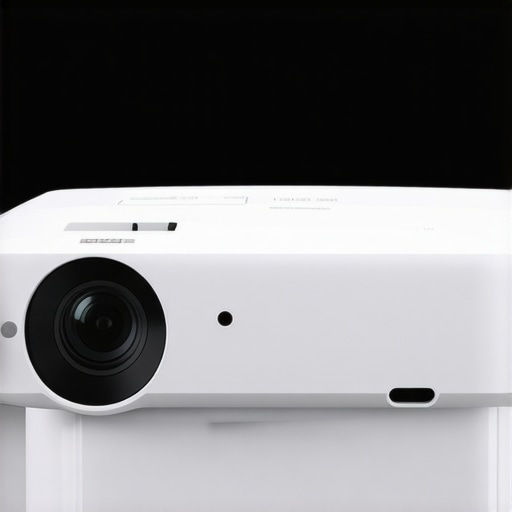
Comparing UST projectors to large 75-inch or 85-inch smart TVs reveals a trade-off: bigger screens at lower prices vs. better contrast and cinematic quality. To understand this better, review the latest offerings from brands like LG or Samsung, which combine smart features with high-performance displays.
Making the Right Choice
Ultimately, selecting between portable projectors, laser deals, 4K models, UST projectors, or home theater setups depends on your specific needs and budget. For frequent travelers or impromptu movie nights, portable units may be optimal. For dedicated home cinemas, investing in a high-end 4K projector or a large smart TV provides a premium experience.
To compare current prices and features, visit trusted retailer websites or dedicated review sites. For example, check the official Sony store for their flagship 4K projectors or look at Best Buy for competitive deals on UST projectors. Reviewing these options alongside the budget-friendly alternatives detailed here can help clarify your best investment.
Want to see how these alternatives stack up? Check out our detailed reviews and latest deals to make an informed decision that maximizes value and viewing pleasure.
The Pros & Cons of DIY Whiteboard Screens
Pros: Cost-effective large display solution, easy to set up, minimal glare with matte finish, durable surface resistant to stains and scratches, and suitable for ambient light conditions.
Cons: Slight reduction in image sharpness compared to professional screens, potential for surface imperfections affecting image quality, requires careful mounting and surface selection, and limited color accuracy for critical tasks.
Who’s This For?
Ideal for students, casual movie watchers, budget-conscious home educators, or rental spaces where permanent modifications are undesirable. Skip this if you need professional-grade color fidelity or are doing high-precision editing or gaming.
Final Verdict: 8/10
Building a DIY whiteboard projection surface offers an excellent balance of affordability and usability for casual viewing, especially in ambient-lit rooms. While not perfect for professional tasks, it provides significant savings and simplicity over commercial screens. For more DIY tips, see our guide on mounting projectors in rental spaces. If you want a more refined setup, explore options like UST projectors for small apartments or check the latest 4K projectors that stay sharp at large sizes. Overall, consider whether this budget-friendly solution matches your needs before investing.