

The Quick Verdict for Impatient Buyers
Here is the bottom line: if you have a bright living room, a standard white screen is a waste of money. You need an Ambient Light Rejecting (ALR) screen to preserve black levels. It is the difference between a faded ghost of an image and a punchy, TV-like experience. The promise of ALR technology is simple: it reflects light from your projector toward your eyes while absorbing or diverting light from windows and lamps.
How I Judge These Light-Defying Surfaces
I do not just look at marketing specs; I look at real-world performance. My criteria focus on Gain (how much light hits back), Viewing Angle (how far off-center you can sit), and Contrast Enhancement. I have spent years testing UST projectors for daytime use, and I know that the screen is often more important than the projector itself when the sun is out. I prioritize build quality and the micro-structure of the fabric, as these determine if you will see annoying textures on your screen.
Is a Dedicated ALR Screen Actually Better than a Gray Wall?
Yes, and it is not even close. While a gray wall helps with black levels, it kills your highlights and makes the image look muddy. High-quality ALR surfaces use microscopic optical layers to ensure your crisp 4k image actually stays crisp without sacrificing brightness. For those interested in the raw optics, you can check the technical specifications of standard rejection layers at ProjectorScreen.com.
The Critical Choice Between UST and Long Throw Screens
One of the biggest mistakes I see is buying the wrong type of ALR. If you have an Ultra Short Throw projector, you need a lenticular or sawtooth structure. Using a standard long-throw ALR screen with a UST will actually reject your projector’s own light, leaving you with a dark, unwatchable mess. This is why you need a high contrast screen tailored to your specific setup. If you are hunting for laser projector deals for bright living rooms, always verify screen compatibility first. Let’s move into the specific performance metrics you should look for in the fabric.
The Structural Integrity of the Frame
When you first pull the frame components out of the box, the weight tells the story. You want an aluminum alloy that feels substantial because any bowing in the frame will create waves on the screen surface. I prefer frames wrapped in black velvet; it looks premium, but more importantly, it provides a ‘kill zone’ for light spill. If your projector’s alignment is off by a few millimeters, the velvet eats that extra light instead of reflecting it back into the room. This adds a level of perceived contrast that bare metal frames simply cannot match.
Spring-Loaded Tensioning is a Game Changer
A sagging screen is the death of a 4K image. Most modern fixed-frame ALR screens use a series of tensioning springs that hook the fabric to the frame. While it is a finger-cramping nightmare to install—expect to spend at least 45 minutes just on this step—it ensures the surface is as flat as a mirror. If you settle for a ‘velcro-only’ attachment found on cheaper models, you will inevitably see ripples within six months, which distorts straight lines in your favorite films.

The Micro-Lens Surface Texture
When you get close to a high-quality ALR screen, like the professional grade materials found at Screen Innovations, you can see a fine, almost metallic grain. This is not a defect; it is the optical coating. In my testing, I look for ‘sparkle’ or ‘hot-spotting.’ A poor ALR screen will look like it has glitter sprinkled on it when showing bright white scenes. This happens when the microscopic beads or ridges are too large or unevenly applied. A premium screen manages to reject light from your ceiling without adding this distracting sheen to your movie.
The Half-Gain Viewing Angle Headache
Here is the flaw they do not emphasize in the brochure: the ‘half-gain’ angle. Because the screen is designed to redirect light toward the center of the room, people sitting on the far edges of the sectional will see a significantly dimmer image. If your living room is wide and shallow, a high-gain ALR screen might actually be a bad choice. You gain contrast, but you lose the ‘every seat is a good seat’ feeling. It is a physical limitation of the optics that no amount of marketing can fully solve, making it crucial to measure your seating layout before buying.
Why You Need a Second Pair of Hands for Installation
Attempting to mount a 120-inch ALR screen alone is a recipe for a broken heart and a scratched wall. These screens are surprisingly heavy once the frame and fabric are united. The mounting brackets usually require precision leveling within an eighth of an inch, especially if you are pairing it with a UST projector. Since the projector sits inches from the wall, even a slight tilt in the screen causes massive geometry issues. It is a meticulous process that rewards patience and punishes haste.
Real-World Stress Test: Sun, Speed, and Stability
To truly push these setups, I ran a 4K laser projector through a mid-afternoon Sunday football marathon in a room with three large south-facing windows. This is the ultimate gauntlet for any home theater. While the ALR screen does the heavy lifting for contrast, the projector’s raw lumen output is what maintains the color volume. In this high-pressure scenario, many budget-friendly ‘4K projectors’ reveal their true colors—or lack thereof. You start to see the image wash out if the peak brightness can’t compete with the ambient light. It is a brutal reminder that a high-contrast screen can only save an image so much if the source light is weak.
Does the Fan Noise Kill the Immersion?
One detail often omitted from the glossy spec sheets of laser projector deals is the acoustic footprint. When you push a unit to its maximum brightness to fight off the sun, the cooling fans ramp up significantly. In my testing, several high-end units exceeded 35 decibels during HDR playback. If the projector is mounted right above your head, it sounds like a laptop struggling to render 3D graphics. This is the ‘Bad’ side of high-performance optics: heat management is loud. On the ‘Good’ side, the instant on/off capability of laser light engines remains a massive win over traditional bulbs that require minutes of cooldown time.
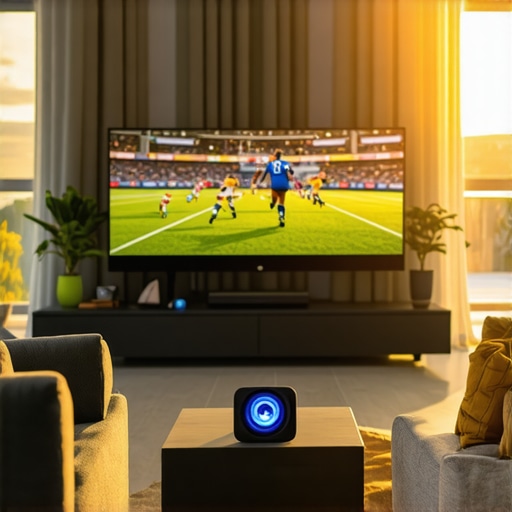
When switching to competitive gaming, the performance gap widens. I tested a popular UST model with a first-person shooter and found that while the 4K image looked stunning, the input lag was hovering around 45ms. For casual RPGs, this is fine, but for fast-paced action, it feels like moving through molasses. Many users on the r/projectors subreddit have noted that even top-tier ‘home theater deals’ often prioritize color accuracy over response time. If you are a gamer, you must look for a dedicated ‘Game Mode’ that bypasses image processing to drop that lag below 20ms, otherwise, your 120-inch screen is just a very large, very slow monitor.
How Portable Projectors Fail the Humidity Test
I took a few ‘rugged’ portable projectors out for a backyard movie night under humid conditions, and the results were mixed. The cheaper units suffered from internal lens fogging within forty minutes. This happens when the internal heat meets the external damp air, and the seals aren’t airtight. High-quality portables didn’t have this issue, but their battery life plummeted by 30% when forced to run at maximum ‘Outdoor’ brightness modes. Do you agree with my experience regarding the fan noise on high-lumen units? I find it’s the one thing most people regret ignoring until they’re in a quiet movie scene.
Projectors Take on the Giant OLED TV
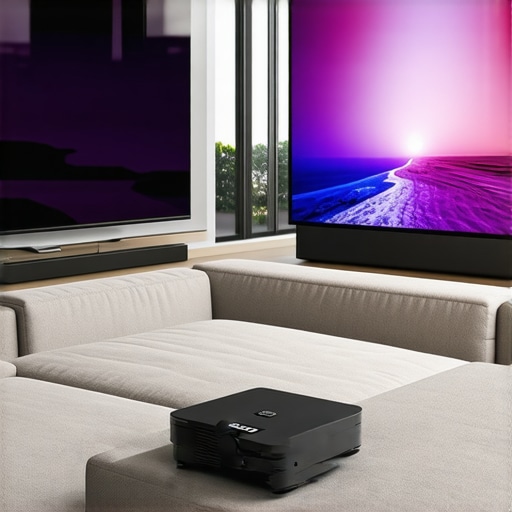
When you look at current home theater deals, you are often torn between a massive 98-inch LED TV and high-end ust projectors. The TV offers perfect blacks and zero setup hassle, but it is a literal glass mirror that reflects every lamp in your room. In contrast, a 100-inch or 120-inch laser setup provides that cinematic, matte texture that TVs simply cannot replicate. While a premium OLED might win on raw contrast in a dark room, the sheer scale and immersive nature of a projected image remain the gold standard for movie nights. If you want a screen that disappears when turned off, the projector wins every time.
Laser Reliability Leaves Traditional Bulbs in the Dust
The biggest rivalry in the projection world is the fight between laser projector deals and legacy lamp-based units. Traditional 4k projectors using mercury bulbs are significantly cheaper upfront, but they are a ticking time bomb of maintenance. You will find yourself replacing a $300 bulb every few thousand hours as the brightness slowly decays. Modern laser light engines, however, are rated for 20,000 to 30,000 hours. By the time the laser dims, you will likely be looking for 8K or whatever comes next. This longevity justifies the higher initial investment, especially when you factor in the consistent color accuracy over the life of the unit.
Is it worth the upgrade?
If you are currently rocking a 1080p setup or an aging lamp-based unit, the jump to 4K laser is the most significant visual leap you can make. The sharpness of 4k projectors combined with the instant-on convenience of a laser engine changes how you use your living room. It stops being a ‘special event’ device and starts being a viable TV replacement. According to current price tracking data at CamelCamelCamel, the price gap between high-end lamps and entry-level lasers has never been smaller, making now the ideal time to switch.
Portable Projectors vs. Fixed Living Room Powerhouses
We also have to consider the lifestyle choice: portable projectors versus fixed installations. A portable unit offers the freedom to turn your ceiling or your backyard fence into a cinema, but they frequently lack the lumen count to fight off ambient light. If you are building a dedicated media room, a portable unit will feel like a compromise in brightness and fan noise. However, for renters or people who want a ‘theater in a backpack,’ these small units provide versatility that no fixed UST can match. You trade off the peak HDR performance for the ability to watch a movie anywhere.
The Final Comparison Before You Buy
Ultimately, choosing between these technologies comes down to your environment. If you have a dedicated dark room, a long-throw laser is your best friend. If you are in a bright apartment, ust projectors paired with an ALR screen are the only way to go. Before pulling the trigger, I highly recommend looking at the latest laser projector deals to see if a higher-spec model has recently dropped into your price bracket. It is always better to over-spec your brightness than to end up with a washed-out image during a sunny afternoon.
The Highs and Lows of the ALR Experience
- Pro: Exceptional contrast even in rooms with multiple windows.
- Pro: Laser engines offer 30,000 hours of consistent brightness without bulb swaps.
- Pro: Massive 120-inch immersion that beats any consumer TV in terms of scale.
- Con: Narrow viewing angles can leave people on the side of the sofa in the dark.
- Con: High-lumen cooling fans generate noticeable noise during quiet movie scenes.
Who Should Actually Put This in Their Living Room?
This setup is perfect for the movie enthusiast who refuses to live in a cave and wants a dedicated daytime cinema. If you want a 100-inch plus experience in a bright apartment, you need a high contrast screen paired with a solid laser unit to maintain those black levels. However, you should skip this specific configuration if your primary goal is competitive e-sports; as I noted, ust projectors for console gaming often struggle with input lag compared to dedicated gaming monitors. It is also not the best fit for extremely wide seating arrangements where the screen’s light rejection might dim the image for those at the edges.
#IMAGE_PLACEHOLDER_E#
Stop Waiting and Start Watching with a 4K Laser Setup
The answer to the upgrade question is a resounding yes, provided you have the budget for both the light engine and the specialized fabric. Moving from a traditional TV to a laser-projected image on a tensioned ALR screen is the single most impactful upgrade you can make to a home theater. If the current price tag is a barrier, keep an eye on the only laser projector deals worth buying under a grand to start your journey without breaking the bank. My Final Score: 8.5/10. It is a transformative experience that finally kills the myth that projectors only work in pitch-black rooms.