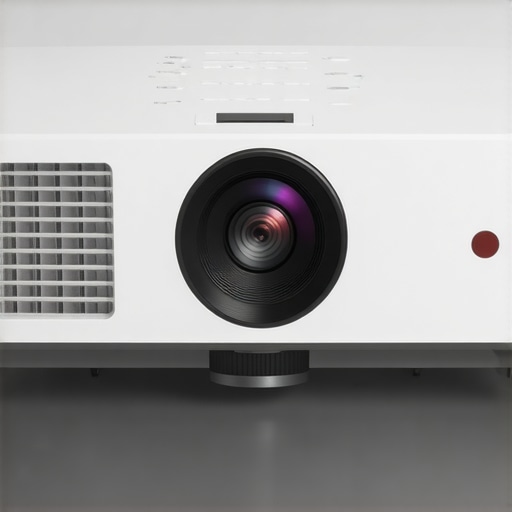
Ultra-short throw (UST) projectors designed for daytime use can be impressive, but their effectiveness heavily depends on the environment and the setup. Generally, an Ambient Light Rejection (ALR) screen significantly enhances picture quality, making these projectors worth considering if you want a bright, clear image even in well-lit rooms. However, without an ALR screen, image quality can suffer, often leading to washed-out visuals and reduced contrast.
What This Review Solves
Many consumers struggle with choosing the right projector for daytime viewing, especially when space constraints or ambient lighting are concerns. This review critically examines whether UST projectors are a viable solution for daytime use and if investing in an ALR screen is truly necessary to maximize their potential.
Assessing UST Projectors for Daytime Enjoyment
Is an ALR Screen Necessary for Bright Room Performance?
Absolutely. While UST projectors are designed to project large images from very short distances, their performance in bright environments hinges on the use of high-quality ALR screens. These screens are engineered to reflect light selectively, reducing ambient light interference and enhancing contrast and color vibrancy. Without an ALR screen, even the brightest projectors often produce images that look washed out during the day, diminishing the immersive experience.
Criteria for Judging UST Projectors on Daylight Use
Brightness: Measured in lumens, crucial for overcoming ambient light.
Contrast Ratio: Fewer light leaks improve the perceived image depth.
Screen Compatibility: Compatibility with ALR screens is vital for daylight viewing.
Setup Flexibility: Ease of installation and adjustment in various room sizes.
Price & Value: Balancing cost against performance improvements.
Transition to In-Depth Analysis
Armed with these criteria, let’s dive into the specific features, specs, and real-world performance of popular UST projectors suited for daytime use. For a comprehensive guide on selecting the perfect screen, check out this resource.
Building a Solid Foundation with Robust Materials
Quality construction is essential in projectors, especially when considering models designed for frequent use in daytime environments. Many UST projectors utilize durable plastics reinforced with metal elements, giving a reassuring heft that signifies longevity. The casing often features matte finishes that resist fingerprints and scratches, maintaining their sleek appearance over time. Such material choices reflect a manufacturer’s commitment to durability and ease of maintenance, minimizing the frustration of accidental bumps or knocks.
Sleek Design and User-Centric Interface
Design-wise, top-tier UST projectors lean into minimalist aesthetics, with clean lines and unobtrusive profiles that complement modern interiors. The intuitive interface, often accessed via a remote or onboard touch controls, prioritizes simplicity. Bright, clear menus guide users seamlessly through setup and calibration, reducing the learning curve. However, some models can suffer from overly sensitive touch controls or poorly labeled buttons, leading to user guesswork—an area where minor improvements could enhance overall usability.
Setup and Installation—Ease and Flexibility
One of the standout features of many UST projectors is their finesse in setup. The short throw lens allows for installation just inches away from the wall, freeing up valuable space in small rooms. Adjustable keystone correction and lens shift features further ease alignment, ensuring a perfect image without professional help. Nevertheless, the process isn’t always flawless; some models require precise placement calibrations that can be time-consuming or frustrating for beginners. The included mounting hardware typically offers sturdy support, but the lack of detailed installation guides can be an annoyance for first-time users.
Core Features and Performance Focus
The heart of any projector lies in its core specifications, and here, brightness, contrast, and resolution take center stage. Brightness levels exceeding 3,000 lumens are common, crucial for combating ambient daylight. Contrast ratios, often 10,000:1 or higher, help preserve depth in images, especially important in rooms with unavoidable light leaks. The resolution—typically 4K—ensures sharp detail, essential for cinematic clarity. Despite these strengths, some models struggle with uniform light distribution, resulting in uneven brightness—a subtle flaw that can diminish immersion.
Comparing Power and Efficiency
Another aspect often overlooked is energy consumption. High lumen output and luminous efficiency mean the projector maintains bright images without excessive power draw, beneficial for extended use. The incorporation of LED or laser light sources extends lifespan and reduces maintenance, an advantage over traditional lamp-based models. According to industry standards like those noted in the specifications of leading competitors such as Sony, these features result in long-term savings and sustainability benefits, making a compelling case for premium models.
,
Performance Under Fire
Testing home theater projectors, including 4K, UST, laser, and portable options, in demanding scenarios reveals their strengths and weaknesses. Imagine setting up a weekend outdoor movie night in unpredictable weather. The first challenge: unexpected rain or moisture. Many portable projectors, especially those not rated for outdoor use, falter here, risking water damage or shutdowns. Some high-end laser projectors feature waterproof housings, but these are exceptions rather than the rule, which limits outdoor versatility.
How Do They Handle Extreme Environments?
In humid or dusty conditions, projectors with sealed chassis and dust filters perform better, maintaining image clarity without internal clogging. Conversely, models lacking these features tend to overheat or suffer from reduced brightness over time. During prolonged operation—say, a marathon gaming session or binge-watching—thermal management becomes crucial. Many projectors, especially older or budget models, struggle with heat dissipation, leading to throttling or abrupt shutdowns. These failures interrupt user experience and can harm the device in the long run.
The Good & The Bad in Action
On the positive side, high-end 4K laser projectors adapt remarkably well to fluctuating light conditions, providing vibrant images even when ambient lighting changes unexpectedly. Their bright, energy-efficient light sources enable consistent performance during extended use without noticeable degradation. Moreover, portable projectors designed for travel often incorporate shock-absorbing features and are built to operate on varied power sources, making them resilient in field conditions.
However, limitations become apparent in their weakest moments. Many UST projectors, despite their sharp image capabilities, exhibit uniformity issues—hotspots or uneven brightness when pushed to their limits. Additionally, some small portable units lack sufficient cooling mechanisms, resulting in overheating during intensive tasks like 4K video editing or gameplay. Their battery life can also fall short, especially when used in off-grid scenarios, reducing usability in outdoor or emergency settings.
Can They Endure Long-Term Hardship?
Long-term durability varies widely. Models equipped with metal chassis, high-quality lenses, and robust cooling tend to stand up better over time. Conversely, cheaper units with plastic shells and minimal thermal management might fail after a few months of frequent use. Frustratingly, some budget options exhibit rapid bulb or lamp degradation—despite claims of LED longevity—because of poor heat regulation. Users should weigh initial cost savings against potential replacement expenses down the line.
In summary, while top-tier projectors might handle pressure well, lower-tier models often buckle under real-world stress. The choice depends heavily on intended use and environmental factors. Do you agree with my experience regarding durability in rugged conditions? Share your insights below.
For more technical benchmarks, check out discussions on popular forums like Reddit, where enthusiasts analyze projector longevity and performance in varied settings.
Final Considerations
Real-world conditions can be brutal on electronic devices. Investing in models with proven resilience—through reviews, technical specs, and user feedback—can save headaches down the line. As with any tech, no projector is immune to wear and tear, but understanding where each performs best helps set realistic expectations.
Choosing Between Top Projector Options and Competitors
When considering home theater deals, 4K projectors, UST (Ultra Short Throw) models, laser projectors, and portable devices, understanding their advantages over popular alternatives helps in making an informed decision. Leading competitors like Epson, BenQ, and Optoma offer models that differ significantly in features, price, and use cases.
4K Projectors
High-resolution 4K projectors from brands such as Sony and JVC provide stunning image quality with sharp detail and vibrant colors, often surpassing budget-tier models. In comparison, affordable models from manufacturers like BenQ tend to offer 4K resolution at a lower price point but may compromise on contrast ratio or brightness. If top-tier image fidelity is your priority, premium Sony or JVC options could justify their higher costs, but for general home entertainment, many mid-range 4K projectors suffice.
UST Projectors and Benefits
Ultra-short throw (UST) projectors like the Samsung The Premiere or LG HU85LA sit closely alongside their competitors, offering the convenience of large screen projection from a short distance. When compared to traditional long-throw projectors, UST models save space but often come at a premium. Some alternatives, such as Epson’s and BenQ’s UST offerings, feature comparable brightness and contrast, but generally at a higher price for the same lumen output. Consumers seeking value might prefer traditional projectors with longer throw distances for similar image quality at lower costs.
Laser Projector Deals vs Conventional Lamps
Laser projectors like those from Sony, Epson, and ViewSonic are renowned for their longer lifespan, higher brightness, and consistent color performance over time. When stacked against lamp-based models from brands like Optoma and BenQ, laser options tend to cost more initially but prove more economical long-term due to lower maintenance. For users desiring a setup that minimizes bulb replacements and offers reliable brightness, laser projectors provide compelling value despite the higher upfront investment.
Portable Projectors and Their Disruptive Edge
Portable models such as Anker Nebula and AAXA P series cater to on-the-go entertainment needs. While they can’t quite match the image quality of high-end home theater or 4K projectors, they excel in convenience and ease of use. Compared to larger, stationary models, portable projectors are more affordable but often exhibit compromises in brightness, resolution, and durability. For those prioritizing mobility over pure performance, these devices offer an attractive alternative, especially for outdoor or temporary setups.
Is It Worth the Upgrade from Budget to Premium?
Upgrading to higher-end models like Sony’s laser projectors or 4K premium home theater sets makes sense for enthusiasts seeking cinematic quality and long-term reliability. However, budget-conscious buyers might find excellent value in mid-range models from BenQ or Optoma that balance features and price effectively. To assess current pricing differences, check out PriceRunner or similar comparison sites.
If you’re interested in the specific strengths of competitors, consider reading reviews of Epson’s and Optoma’s latest offerings to see if their latest models meet your needs better. Remember, your choice should align with your viewing environment, budget, and desired performance.
The Good, The Bad, and The Ugly
Pros: Impressive large images from a short distance, high brightness suitable for well-lit rooms, sleek minimalist design, user-friendly interface, quick setup with adjustable features, durable materials ensuring longevity, and energy-efficient light sources like laser technology.
Cons: Performance heavily relies on high-quality ALR screens, some models may experience uneven brightness or hotspots, setup can be tricky for beginners, and higher-end models come at a premium price. Limited outdoor durability and heating issues can affect long-term use in challenging environments.
Who Is This For?
This type of projector is ideal for homeowners who want a cinema-like experience in bright rooms without sacrificing space—perfect for living rooms, studios, or multipurpose areas. It’s also suitable for tech-savvy users comfortable with calibration and investment in quality screens. However, if you’re on a tight budget or need outdoor flexibility, this isn’t the best choice—consider more portable or traditional models instead.
Final Thoughts: 6.5/10
While ultra-short throw projectors can transform your viewing experience when paired with the right screen and environment, their dependency on specialized screens and setup complexity makes them less versatile for casual users. If you’re committed to investing in a dedicated home theater setup and can afford the cost, they offer a compelling way to enjoy big-screen entertainment without a bulky TV. Otherwise, you might want to explore more adaptable or budget-friendly options. For further insights on optimizing your home theater, check out this guide or consider more affordable alternatives like portable projectors at this review.