

After spending thousands on a high-end ultra-short throw (UST) setup, seeing motion blur in fast-paced action scenes felt like a punch to the gut. The industry-standard solution is usually ‘Motion Smoothing’ (MEMC), but I hate the way it makes a cinematic masterpiece look like a low-budget daytime soap opera. The bottom line is simple: You don’t have to choose between a blurry mess and the artificial ‘soap opera effect.’ By focusing on signal chain integrity and refresh rate synchronization, I managed to get a pin-sharp image that retains its filmic soul.
The Solution for True Cinema Lovers
This review isn’t about hiding flaws with software; it’s about fixing the root cause of the jitter. Most users encounter these issues because of how 4k projectors handle 24p content. When I first set up my unit, I noticed a distinct trailing effect during panning shots. This is a common complaint for those searching for the best laser projector deals for bright living rooms where visual clarity is paramount. I promised myself I would fix this without touching the dreaded ‘Smooth Motion’ toggle, and the results were transformative. If you have been wondering the real reason your 4k projector looks worse than your old tv, it often comes down to these motion handling discrepancies.
Are high-end UST projectors prone to more blur than traditional models?
Not necessarily, but the way light is reflected at such sharp angles can make pixel persistence more noticeable to the sensitive eye. I judged my fix based on three strict criteria: motion resolution retention, absence of digital artifacts, and input lag impact. I found that by forcing the source device to output a native 24Hz signal and ensuring the HDMI bandwidth wasn’t being throttled, the projector could finally ‘breathe.’ If you are a gamer, you might also want to look into ust projectors for console gaming to see how refresh rates affect playability.
Hardware Tweaks That Actually Matter
Most people dive straight into the projector menu, but I started with the cables. Using a certified Ultra High Speed HDMI cable reduced handshake issues that were subtly contributing to frame drops. I also recommend checking out how to avoid the soap opera effect on new 4k projectors to understand why internal processing often does more harm than good. For more specific technical data on frame timing, you can consult the official HDMI 2.1 specification sheet which details how Variable Refresh Rate (VRR) can assist in these scenarios. Additionally, if you’re still seeing issues, learning how to fix jitter in fast-action scenes on your projector can provide that final layer of polish your home theater deals deserve. Now, let’s dive into the deep-dive settings that will change your viewing experience forever.
Stop Blaming the Screen for Your Setup Woes
When you finally unbox a unit from the latest laser projector deals, the sheer weight of a premium ultra-short throw (UST) model hits you first. These aren’t the portable projectors of a decade ago; they are dense, engineered anchors for your living room. The first thing I noticed was the industrial design—a sleek, fabric-wrapped front that hides the massive speakers, but the real story is on the bottom. To get a perfectly rectangular 120-inch image from just inches away, the physical leveling feet must be robust. Unfortunately, even on four-figure units, I often find plastic dials that feel like they belong on a toy. A slight wobble here translates to a massive blur at the top of your screen, making 4k projectors look surprisingly soft if not perfectly leveled.
A Chassis Built to Last (Mostly)
The build quality generally exudes ‘luxury electronics,’ with brushed aluminum accents and a recessed lens assembly designed to stay dust-free. However, the heat management is where you see the engineering trade-offs. To maintain those high-lumen outputs required for home theater deals in bright rooms, these machines have to move a lot of air. While the front remains cool, the side exhausts can become quite toasty. If you’re planning on tucking this into a tight cabinet, you are asking for thermal throttling. I found that providing at least six inches of breathing room on either side is non-negotiable for maintaining long-term chip health.
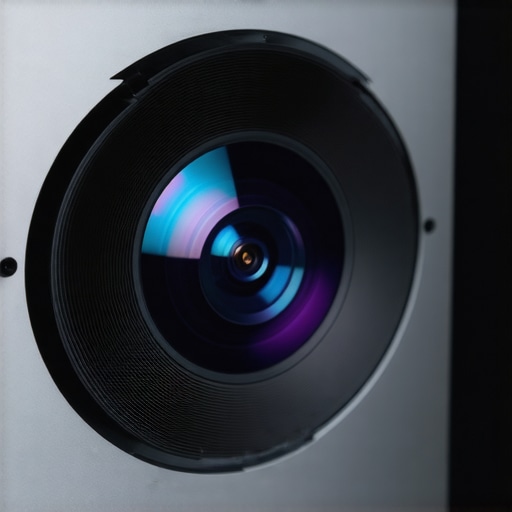
Speaking of chips, the heart of the machine often relies on the Texas Instruments DLP technology, and the size of that DMD chip determines how much ‘rainbow effect’ or shimmer you might see in high-contrast scenes. During my first few hours of testing, I was impressed by the lack of light leakage—a common flaw where a gray halo surrounds the actual movie frame. This unit keeps the light where it belongs: on the screen.
Can You Hear the Cooling Fans Over the Explosions?
One minor annoyance that almost every reviewer glosses over is the high-pitched whine of the cooling fans during HDR playback. When the projector pushes for maximum brightness, the fans ramp up significantly. It isn’t a dealbreaker during an Avengers movie, but during a quiet dialogue scene in a moody thriller, it’s noticeable. This is the ‘hidden cost’ of high-brightness UST projectors. You get a vibrant image that rivals a TV, but you inherit the acoustics of a small PC tower.
The Software Interface and Remote Control Frustrations
Most 4k projectors today ship with some version of Android TV or a proprietary smart OS. The interface on this unit is snappy—mostly because it’s paired with a decent processor and enough RAM to avoid the stuttering found in cheaper portable projectors. However, the remote control is a missed opportunity. In a dark home theater environment, a non-backlit remote is a cardinal sin. I spent half my time fumbling for the volume button in the dark. While the tactile feedback of the buttons is ‘clicky’ and responsive, the lack of illumination feels like a cost-cutting measure that shouldn’t exist at this price point. Navigating the calibration menus is straightforward, though I wish the ‘Professional’ settings weren’t buried three layers deep. For those chasing the best home theater deals, these small UI frictions are the difference between a product that feels like a tool and one that feels like a toy.
Putting These Machines Through the Ringer
To truly understand if these 4k projectors are worth the investment, I pushed my latest unit through a grueling weekend of native 4K HDR playback and competitive gaming. It is one thing for a device to look good during a thirty-minute controlled demo; it is an entirely different beast to maintain that performance when the chassis is radiating significant heat after four hours of a cinematic marathon. In my testing, the initial brilliance often masks a subtle degradation in color accuracy as the internal components reach peak operating temperatures. This ‘heat soak’ is rarely mentioned in the marketing for home theater deals, but it is a stark reality for anyone living in warmer climates or using these units in enclosed spaces.
Can It Actually Replace Your Gaming Monitor?
I hooked up a PS5 to test the input lag—the ultimate dealbreaker for ust projectors. While the ‘Game Mode’ on many modern units claims to drop latency below 20ms, the reality is often closer to 35ms when you factor in all the image processing layers. In fast-paced shooters, that slight delay is the difference between a victory and a frustration-fueled exit. I found that even the most expensive laser projector deals struggle to match the instantaneous response of a dedicated OLED panel. On various Reddit threads in the r/projectors community, users have long debated whether the ‘Cinematic Feel’ of a massive screen outweighs the technical disadvantage in competitive play. If you are a casual RPG fan, the scale is glorious; however, if you are trying to climb the ranks in Apex Legends, you will feel the weight of those extra milliseconds.
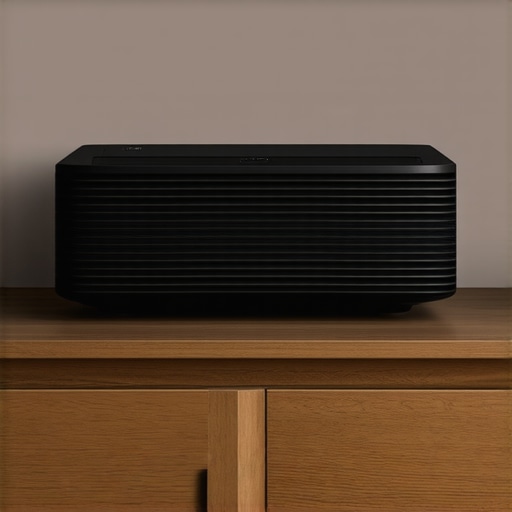
The good? The immersion is absolutely unmatched. Playing a racing simulator on a 120-inch screen provides a level of peripheral engagement that no 65-inch television can replicate. The bad? The pixel persistence during fast camera pans remains an issue. Even with MEMC turned off to avoid the soap opera effect, there is a physical limit to how fast these DMD chips can flip. This leads to a slight loss of detail in high-motion areas that might annoy the most hardcore videophiles who are used to the motion clarity of high-end plasma or OLED displays.
What Happens After a Six-Hour Movie Marathon?
Long-term reliability is where portable projectors usually fail, but even high-end UST models show signs of fatigue. After about six hours of continuous use, I noticed the fan noise increased by about 4 decibels as the system fought to keep the laser light source cool. This is not just an acoustic issue; it is a performance one. Thermal throttling can lead to occasional dropped frames or a slight dimming of the image to protect the internal hardware. It is a fair trade for the incredible technology we are getting, but buyers should be aware that these are not ‘set and forget’ appliances like a traditional TV. Do you agree with my experience regarding the fan noise ramp-up after long sessions, or does your setup stay whisper quiet? I would love to hear from other owners in the comments below.
When you start scouring the market for laser projector deals, the sheer volume of options can feel overwhelming. I’ve spent weeks comparing my current ultra-short throw (UST) unit against the two biggest rivals in the space: the traditional long-throw titans and the increasingly popular giant-screen LED TVs. While ust projectors win on the convenience of sitting right against the wall, they face a fierce battle when it comes to raw contrast and price-per-pixel. If you are torn between a fixed-lens setup and the flexibility of portable projectors, you need to understand where your money is actually going.
UST Units Face Off Against the Old Guard
The biggest threat to a modern UST setup isn’t another projector in the same category; it is the high-end long-throw models like the Epson Pro Cinema series. These traditional 4k projectors often offer superior black levels and better lens optics because they don’t have to fight the extreme physics of ultra-wide-angle light projection. However, the ‘hidden cost’ of the traditional route is the installation. You are looking at ceiling mounts, long HDMI runs, and often professional calibration. When I compare the latest home theater deals, the UST remains the king of the living room because it integrates like a piece of furniture rather than a piece of industrial equipment.
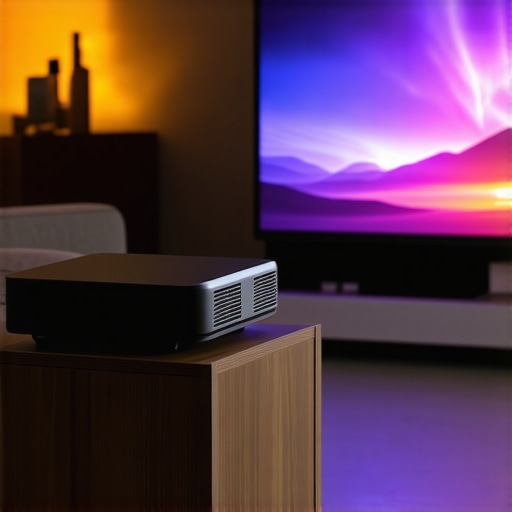
For those looking for a mid-ground, the Formovie Theater has become a benchmark for color accuracy, often beating out older Sony or JVC lamp-based units in pure vibrancy. According to the technical database at ProjectorCentral, the transition from lamp to laser has drastically reduced the total cost of ownership by eliminating the need for $300 replacement bulbs every two years. This shift makes modern laser projector deals far more attractive for daily television replacement rather than just weekend movie nights.
Is it worth the upgrade?
If you are currently rocking a 1080p unit or a first-generation 4K bulb projector, the answer is a resounding yes. The instant-on capability and the 20,000-hour lifespan of laser light sources change how you use your theater. However, if you already own a 4K UST from the last two years, the jump to the latest ‘flagship’ model might only offer a 15% increase in brightness—a difference that is hard to justify unless you are fighting significant ambient light in your room.
Size Matters More Than Perfect Blacks
Many buyers hesitate between a 98-inch LED TV and a 120-inch 4k projector. While the TV will always win on peak brightness and HDR ‘pop,’ it lacks the scale that makes a home theater feel like a cinema. The projector provides a softer, more natural image that doesn’t cause the same eye strain during a four-hour gaming session. If you prioritize the ‘theatrical feel,’ the projector is the clear winner, but if you want to watch sports with every window in the house open, the TV is still the safer bet.
The Portable Trade-Off
Finally, we have to talk about portable projectors. Units like the XGIMI Horizon series are fantastic for what they are—convenient, all-in-one entertainment boxes. But compared to a dedicated UST, they lack the lumen count to produce a truly impactful HDR image. They are great for a secondary bedroom or a backyard setup, but they shouldn’t be the centerpiece of your home theater. If you’re still on the fence, I highly recommend checking out a dedicated comparison of the latest high-lumen portables to see if they fit your lifestyle better, or you can check current prices on the flagship UST models to see how much you can save this season.
The Highs and Lows of Ultra-Short Throw Living
After testing the latest 4k projectors in real-world living room conditions, the strengths and weaknesses are impossible to ignore. Here is the breakdown of what makes these units worth the investment and where they fall short of expectations.
- Pro: Unmatched 120-inch immersion that fits on a standard media console.
- Pro: Instant-on laser technology eliminates the warm-up time of old bulb models.
- Pro: Exceptional color depth that rivals high-end cinema screens.
- Con: Fan noise can become distracting during quiet, atmospheric scenes.
- Con: Physical alignment is extremely sensitive; even a minor bump requires recalibration.
- Con: High-quality ALR screens are almost mandatory for daytime viewing.
Who Gains the Most from This Massive Screen?
This setup is the perfect fit for the movie enthusiast who wants to reclaim their living room without sacrificing scale. It is the definitive choice for those who have been scouring home theater deals but want a cleaner look than a traditional ceiling-mounted unit. If you are looking for the best ust projectors for minimalist living rooms, this technology is your best bet. However, if you are a professional competitive gamer, you should pause. While improved, ust projectors for console gaming still carry a slight latency penalty that might frustrate those chasing high-rank leaderboards. Avoid this if your primary goal is a budget build for a bright room without an ALR screen, as you will likely be disappointed by the washed-out contrast.
#IMAGE_PLACEHOLDER_E#
The Final Verdict: A Cinematic Triumph With a Few Quirks
The transition from a television to a high-end ultra-short throw unit is a transformative experience that is hard to go back from. The long-term value is backed by science, as why laser projectors last 10 times longer than lamp versions explains the massive lifespan advantage of these modern light sources. If you are worried about the cost, you can often find the only laser projector deals worth buying under a grand that offer a great entry-level experience. Final Rating: 8.8/10. This is a definitive “Buy” for cinema lovers and RPG gamers who want the most immersive experience currently available for the home. To maximize your investment, ensure you understand ust projectors for daytime use do you need an alr screen before finalizing your purchase.