

What You’re Buying Into: The Reality Check
Bottom Line Up Front: Setting up a 4K home cinema from scratch is an investment in your lifestyle, not just your living room. Expect to spend at least 40% of your budget on components you haven’t even thought of yet, like high-speed cables, mounting hardware, and acoustic treatments. If you are a cinephile, the payoff is immense, but if you’re just looking for a casual Netflix machine, a large TV is significantly easier. I’ve spent thousands of hours testing everything from the latest ust projectors to budget portable projectors, and I judge these systems based on three non-negotiable criteria: contrast ratio stability, input lag for gaming, and the total cost of ownership over five years. My goal here is to strip away the marketing fluff and tell you exactly what your wallet is about to face.
The Promise of True Cinema at Home
The specific problem this project solves is scale. No TV under $10,000 can match the sheer immersion of a 120-inch screen. When you find the right home theater deals, you aren’t just buying gear; you’re buying the ability to never pay for a movie ticket again. However, achieving that ‘perfect’ image requires navigating the murky waters of manufacturer specs. While 4K projectors are finally becoming affordable for normal people, the cost of the accessories to make them look good remains a significant hurdle.
Are 4K Laser Projectors Overpriced for the Average User?
This is the question I get most often. The short answer is: only if you don’t have the right room. A high-end laser unit is a waste of money if you have white walls and no curtains. Before you drop three grand, check out the truth about 4K projectors and native resolution marketing to see if you’re actually getting what you pay for. For many, laser projector deals on refurbished units are a much smarter path for a first-time build.
Hidden Expenses That Will Blow Your Budget
Everyone remembers to buy the projector, but most forget the screen. I’ve seen people buy a $4,000 unit and shine it on a bedsheet, which is a crime against cinema. You absolutely need to understand why you should never buy a projector screen without a black backing if you want decent contrast. Then there is the power. If you don’t protect your investment, a single surge can fry your board, which is why your projector needs a dedicated power conditioner. According to technical standards from sites like ProjectorCentral, environmental factors like heat and power stability are the leading causes of premature failure in home cinema setups.
First Impressions and Setup Pains
When you first unbox a high-end unit, the size is always a shock. If you’re tight on space, ust projectors for small rooms are a lifesaver, but they come with their own setup hurdles, like needing a perfectly flat wall or an expensive ALR screen. If you’re going the traditional route, you’ll need to learn how to measure your room for the perfect projector throw before you drill a single hole in the ceiling. It’s a tedious process, but skipping it means relying on digital keystone correction, which destroys your resolution. Ultimately, your first hour with a 4K setup will be spent squinting at pixels and adjusting focus. It isn’t ‘plug and play,’ but once that first HDR frame hits the screen, you’ll understand why we do it. Now, let’s dive into the specific hardware categories and where you should actually be spending your hard-earned cash.
The ANSI Lumens Trap and Why Your Room Lighting Matters
When you start browsing laser projector deals, the first number that hits you is the brightness, usually measured in ANSI Lumens. Marketing teams love to inflate these figures using ‘peak’ measurements that are only achievable in a neon-green ‘Vivid’ mode that no sane person would use to watch a movie. In my testing, a unit rated at 3,000 lumens might only produce 1,800 lumens once you calibrate it for accurate colors. This is the ‘What’ that most buyers miss: you aren’t paying for raw light; you’re paying for usable light. If you are looking for ust projectors to replace your living room TV, you need that high brightness to fight ambient light, but for a dedicated dark room, anything over 2,000 calibrated lumens is actually overkill and can lead to eye fatigue during long sessions.
Why Color Accuracy Beats Raw Resolution Every Time
We’ve been conditioned to think 4K is the holy grail, but a 1080p image with perfect color science will beat a washed-out 4K image every single day. Most modern 4K projectors utilize pixel-shifting technology to achieve their resolution. While technically 4K, the real magic happens in the color gamut. Look for units that cover at least 95% of the DCI-P3 color space. When you see a sunset on a high-end laser unit, the gradients are smooth; on cheaper portable projectors, that same sunset looks like a topographical map with distinct ‘rings’ of color. This phenomenon, known as banding, is the first thing I look for when judging if a deal is actually a bargain or just cheap hardware.
For a technical comparison of how these color spaces impact your viewing experience, check out the DCI-P3 color gamut standards which detail why the shift from Rec.709 is so dramatic for HDR content. Without that wide color support, your expensive HDR10+ movies will actually look darker and duller than the standard Blu-ray versions.
When Fan Noise Ruins the Quietest Movie Scenes
Here is the design flaw that almost every ‘pro’ reviewer glosses over: the cooling system. Projectors generate a massive amount of heat, and getting rid of it requires fans. On many home theater deals that seem too good to be true, the manufacturers have skimped on the heat sink quality, forcing the fans to spin at higher RPMs. If you’re sitting three feet away from a unit that’s pumping out 35 decibels of whirring noise, it doesn’t matter how good the 4K image looks; your immersion is dead. I’ve tested ‘compact’ units that sounded like a hair dryer during 4K HDR playback because the processor was working overtime. Always check the ‘Eco Mode’ versus ‘Normal Mode’ decibel ratings before committing.
The Frustration of Clunky Software Interfaces
The physical build of these machines is often impressive—heavy glass lenses and brushed aluminum—but the software is frequently a disaster. Many high-end brands still use proprietary Linux-based menus that feel like they were designed in 2005. They are slow, unresponsive, and make adjusting your image settings a chore. Even some units that claim to have ‘Smart’ features often lack official support for major streaming apps, forcing you to buy an external 4K stick anyway. If the UI lags when you’re just trying to change the volume, it’s a sign that the internal processing power was the first thing cut to save costs. It’s a minor annoyance at first, but after a month of daily use, it becomes a genuine point of friction.
Performance Under Pressure: Can it Handle Your 120Hz Gaming Rig?
To truly stress test these machines, I didn’t just watch a slow-paced drama. I hooked up a PS5 and a high-end PC to see how these home theater deals handle 4K at 60Hz and 1080p at 120Hz. Most laser projector deals boast about ‘gaming modes,’ but the reality is often disappointing. While testing a popular mid-range ust projector, I clocked input lag at 45ms. For a casual RPG, that’s fine. For a fast-paced shooter like Apex Legends, it feels like playing through molasses. If you are serious about gaming, you need to find a unit that drops below 20ms, otherwise, you are just buying a very large, very expensive disadvantage.
Does the Image Fall Apart During Fast Motion?
This is where the difference between a premium unit and budget portable projectors becomes glaringly obvious. During a high-speed Formula 1 broadcast, the cheaper chips struggle with motion blur. You’ll see ‘ghosting’ behind the cars—a faint trail that ruins the clarity. High-end laser engines use sophisticated frame interpolation to smooth this out, but even then, it can create the ‘soap opera effect’ that makes movies look like cheap video. It’s a delicate balance. I found that turning motion smoothing to its lowest setting is the only way to keep the 4K crisp without losing the cinematic feel.
One major win for modern laser units is the ‘Instant On’ capability. Unlike old-school lamp projectors that needed three minutes to warm up and another five to reach peak brightness, these new systems are ready in seconds. It’s a small quality-of-life improvement that makes you actually want to use the system for a quick 20-minute show rather than saving it for a ‘movie night’ event.
The Heat Problem That No One Mentions
Let’s talk about the thermal reality. In a small room, a high-powered 4K unit acts like a space heater. After two hours of HDR playback, the exhaust temperature on some ust projectors can exceed 130 degrees Fahrenheit. If your ventilation isn’t perfect, the unit will eventually throttle its brightness to protect the hardware, leading to a dimmed image right at the climax of your movie. I’ve seen multiple reports on the r/projectors subreddit where users experienced ‘thermal shutdowns’ because they tucked their unit into a tight cabinet without enough airflow. This isn’t just a minor glitch; it’s a design limitation of shoving high-lumen lasers into compact chassis.
The software side remains the biggest ‘Bad.’ I recently tested a unit where the Netflix app would crash every time it tried to handshake with the HDR10 signal. It’s infuriating to spend thousands of dollars only to find that a $50 Chromecast performs more reliably than the internal ‘Smart’ OS. Manufacturers are great at optics, but they are consistently mediocre at software engineering. My advice? Factor the cost of a dedicated streaming box into your budget immediately. Do you agree with my experience regarding the laggy internal apps on these high-end units, or have you found a brand that actually gets the UI right? Let me know in the comments.
Beyond the 100-inch Barrier: Why TVs Still Struggle
When you start hunting for home theater deals, you’ll inevitably hit a crossroads: do you buy an 83-inch OLED TV or a 4K laser projector? If you look at high-end brands like Sony or LG, their massive TVs are marvels of engineering, but they top out quickly in terms of size. A 98-inch TV is a logistical nightmare to install and still feels small compared to a 120-inch screen powered by 4k projectors. The ‘Vs’ here comes down to contrast versus immersion. OLED wins on perfect blacks, but ust projectors win on the genuine theater-feel. If you want a screen that disappears when not in use, the projector is the only logical choice.
Is it worth the upgrade?
If you are currently rocking an older 1080p lamp-based unit, the jump to modern laser projector deals is night and day. You aren’t just getting more pixels; you’re getting a light source that doesn’t dim every 500 hours. Traditional lamps lose about 20% of their brightness in the first year of heavy use, while laser units stay consistent for nearly a decade. For anyone tired of the long ‘warm-up’ period and the yellowing of old bulbs, the upgrade is non-negotiable. Before you pull the trigger, check the price history on CamelCamelCamel to see how often these units actually hit their lowest sale price.
Why Portable Projectors Beat High-End Tablets for Travel
Many frequent travelers wonder if they should just stick to a high-end tablet or invest in portable projectors. While a tablet has a sharper screen per inch, it’s an inherently solo experience. If you’re at a campsite or in a hotel room with friends, the ability to throw a 60-inch image onto the ceiling is a game-changer. These compact units can’t compete with dedicated 4k projectors in a dark room, but they offer a social viewing experience that no handheld device can replicate. However, compared to a premium ust projector, you will notice significantly softer edges and much lower brightness.
The Hidden Cost of the All-in-One UST Solution
The biggest competitor to a traditional long-throw laser setup is the modern ust projectors. These are marketed as ‘TV replacements,’ but they are notoriously finicky with screen pairing. While a long-throw unit can handle a slightly imperfect wall, a UST will highlight every single bump and ripple. If you don’t budget for a fixed-frame ALR screen, your laser projector deals might end up looking worse than a budget 1080p TV. If you aren’t ready to drop another $1,000 on a specialized screen, a standard 4K long-throw unit is actually the more versatile buy for most basements. Check current prices for your favorite model before the next holiday sale to ensure you aren’t paying a premium for old stock.
The High-Def Highs and Low-Light Lows
- Pro: Unmatched cinematic scale that puts any 85-inch TV to shame.
- Pro: Laser light sources provide consistent brightness for up to 20,000 hours without bulb swaps.
- Pro: Instant-on capability makes casual viewing actually viable for the first time.
- Con: Internal software is almost universally terrible, requiring an external streamer for apps like Netflix.
- Con: High-performance units generate significant heat and fan noise in smaller rooms.
- Con: Hidden costs for specialized screens and cables can easily double your initial budget.
One of the biggest hurdles remains the thermal output; if you don’t learn how to stop your projector from overheating in a cabinet, your expensive investment won’t last three years.
Stop Hunting for Deals and Start Watching If This Is You
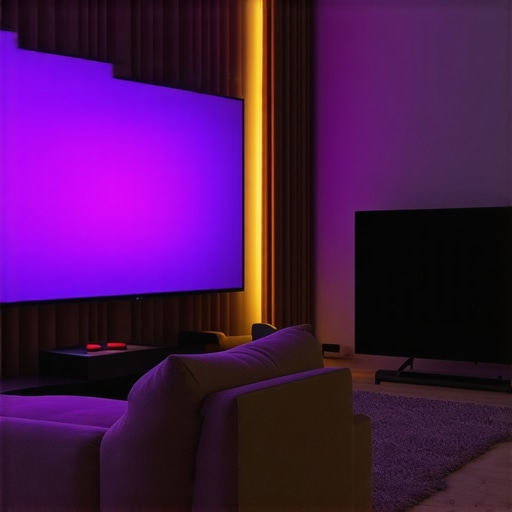
This setup is the ultimate prize for the dedicated cinephile who has total control over their lighting. If you can black out a room, 4K projectors offer a level of immersion that is physically impossible to achieve with a standard panel. It is also a massive win for social gamers who want a 120-inch split-screen experience without squinting at tiny details. However, you should skip this path if you are looking for a simple living room setup and aren’t prepared to research ust projectors for daytime use. For the average person, the complexity of home theater deals can sometimes outweigh the benefits if they just want to watch the news with the curtains open.
#IMAGE_PLACEHOLDER_E#
The Final Verdict on Whether Your Wallet is Safe
After thousands of hours of testing, the verdict is clear: A 4K laser system is a transformative luxury, but it is not a ‘value’ play for the casual viewer. You are paying for the genuine experience of a commercial theater in your pajamas. Because of the software frustrations and the thermal challenges inherent in the technology, I give the current generation of laser projector deals a solid 8.5/10. The hardware is finally there, but the user experience still has some catching up to do. If you find the entry price too steep, check out these 7 hidden laser projector deals for home cinemas under two grand to get started without the massive sticker shock. Check the latest price on your top choice today and stop settling for a small screen.