

Stop Starving Your Projector of Quality Glass
You just dropped a significant chunk of change on one of the best 4k projectors available, expecting a crisp, cinema-grade experience. But instead of the sharp detail you were promised, the image looks grainy, washed out, or even blurry. The culprit? That $60 deal you found on a roll-up screen. After testing dozens of surfaces, I can tell you that a low-quality screen acts like a filter that actively strips away resolution. If you are hunting for laser projector deals to save money, don’t make the mistake of cutting corners where the light actually hits. A high-end projector is only as good as the surface it reflects off of.
Is a premium screen actually worth the extra cash?
Absolutely. While it is tempting to think a white sheet or a budget PVC screen is good enough, 4K pixels are tiny. Cheap fabrics have a physical texture or weave that is often larger than the 4K pixels themselves, causing a screen door effect or distracting moiré patterns. In this review, I am breaking down why cheap projector screens often make the image look worse and what you should actually be looking for to save your home theater setup. You can verify technical gain standards on official manufacturer sites like Stewart Filmscreen. Many of the best home theater deals include screens that are not actually rated for high-density pixel counts.
How I Judge a Surface That Actually Handles 4K
When I evaluate a screen, I am not just looking at how white it is. I look for color neutrality, gain consistency, and structural integrity. Most importantly, I look for surface smoothness. For ust projectors, the requirements are even stricter because the light hits the screen at such an extreme angle. If the screen is not perfectly flat, your 4K image will look like it is melting. I have spent years calibrating everything from portable projectors to dedicated high-gain ALR screens, and the difference is night and day. Let us dive into the technical failures of budget materials and why they fail your hardware.
The Reality of Unboxing a Thousand-Dollar Surface
When that long, heavy tube arrives, the first thing you notice isn’t the color—it’s the weight. A premium screen doesn’t feel like a folded-up bedsheet; it feels like industrial equipment. For anyone hunting for ust projectors, this structural rigidity is non-negotiable. Cheap screens use thin PVC that reeks of chemicals and stretches unevenly over time. In contrast, high-end surfaces like those from Screen Innovations or Elite Screens use multi-layered substrates that feel thick, almost like a heavy-duty vinyl floor mat but with a much more refined finish.
Why Micro-Texture is the Secret to Real 4K
If you look at a budget screen under a magnifying glass, you see a jagged landscape of fibers. These fibers are often larger than the light hitting them from a 4K projector. This creates a “sparkle” or “grit” that ruins the immersion. Premium screens are engineered with a nearly microscopic grain. This ensures that every individual pixel has a flat, neutral surface to land on. According to the Imaging Science Foundation (ISF), color neutrality is just as important as texture. If your screen has a slight blue or yellow tint—common in budget “blackout cloths”—your expensive projector’s color calibration is worthless before you even turn it on.
The Fight Against the Dreaded Edge-Curl
One of the most frustrating things about mid-range pull-down screens is the way the edges begin to “smile” or curl inward after six months. This happens because the material isn’t properly supported. Higher-end tab-tensioned screens use a system of strings and weights to pull the material flat from all sides. When you see a tab-tensioned screen in action, it looks like a solid piece of glass. For 4k projectors, this flatness is the difference between a straight horizon and a distorted mess in your favorite films.
It’s Not All Sunshine and Crisp Pixels
I have to be honest: the setup process for these premium screens is a total nightmare. While a cheap screen might just hang on two hooks, a high-quality fixed-frame screen requires you to stretch the material over a metal frame using dozens of high-tension springs. It is a literal finger-bruiser. I’ve spent two hours on a single install, sweating over the tensioning to make sure there wasn’t a single ripple. If you aren’t patient or don’t have a second pair of hands, the “first impression” of your $1,500 screen might involve a lot of swearing. It’s a necessary evil for the performance you get, but it’s a flaw that manufacturers haven’t quite solved yet.
The Tactile Difference of Ambient Light Rejection
When you touch an ALR (Ambient Light Rejection) screen, it feels almost like a serrated file. This is because it’s covered in tiny, horizontal ridges designed to catch light from above and reflect it away, while reflecting the projector’s light directly toward your eyes. This specialized coating is incredibly delicate. A single fingerprint can ruin the optical properties of the surface. This is why many of the best laser projector deals are often for the projector alone; the screens are precision instruments that require white-glove handling during the entire installation process.
Real World Performance Analysis
To see if these premium surfaces actually justify their four-figure price tags, I ran a series of stress tests using a mix of high-end 4K projectors and budget-friendly hardware from recent laser projector deals. The first scenario was the “Sunday Afternoon Stress Test.” I placed a 120-inch ALR screen in a living room with three large floor-to-ceiling windows. Typically, this is where ust projectors go to die, as ambient light usually washes the image into a grey, unwatchable mess. However, the specialized optical coating on the high-end surface performed a surgical strike on the incoming sunlight. While the image wasn’t as deep as a dark basement setup, the contrast remained high enough to see shadow detail in the dark scenes of The Batman, something a standard white screen simply cannot do.
Can You Actually Watch Movies in Broad Daylight?
Yes, but there is a catch. While the light rejection is impressive, it is not magic. The image suffers from a reduced viewing angle. If you sit more than 30 degrees off-center, the image brightness drops off significantly—a phenomenon known as half-gain angle. This is the trade-off that many home theater deals don’t mention in the fine print. If you have a wide sectional sofa, the person on the far end is going to have a significantly worse experience than the person in the “sweet spot.” In my testing, this effect was much more pronounced on ALR screens than on traditional matte white surfaces used for 4k projectors in dedicated dark rooms.
Does the Screen Affect Your Gaming Input Lag?
Technically, no—a screen is a passive component and cannot add electronic lag. However, the perceived motion clarity can absolutely change. I hooked up a high-refresh-rate console to a variety of surfaces and noticed that on cheaper, textured screens, fast-moving objects seemed to have a slight “ghosting” effect. This isn’t actual ghosting from the projector; it is the light catching the uneven fibers of the screen material as the image shifts. On a premium, smooth-grain surface, the motion looked fluid and sharp. A common sentiment on the r/projectors subreddit is that your screen is responsible for at least 50% of your final image quality, and my testing with high-speed gaming footage confirms that a bad surface can make a $3,000 projector look like a $500 one.
The Frustrating Reality of Portable Setups
When testing portable projectors, I often see people pairing them with cheap tripod screens. In a pinch, it works, but the performance is abysmal. These screens are prone to “waves” because they aren’t tensioned. In a real-world scenario—like a backyard movie night—even a slight breeze makes the screen flutter, causing the 4K focus to drift in and out. It’s a jarring experience that ruins the immersion. If you are investing in laser projector deals for portability, you are better off projecting onto a flat, matte-painted wall than a cheap, swaying tripod screen. I want to hear from you—did your UST setup struggle with light bleed, or did a high-end ALR screen actually fix the problem? Let me know in the comments below.
When you start looking at the current landscape of home entertainment, the line between a high-end television and 4k projectors has never been blurrier. If you are browsing home theater deals, you are likely stuck between a massive 98-inch LED TV and a dedicated projector setup. While a TV offers incredible peak brightness, it cannot compete with the sheer scale of a 120-inch or 150-inch screen. For most enthusiasts, the immersion of a projected image is what truly defines a cinema experience, but it requires a much higher level of commitment to room light control and screen quality.
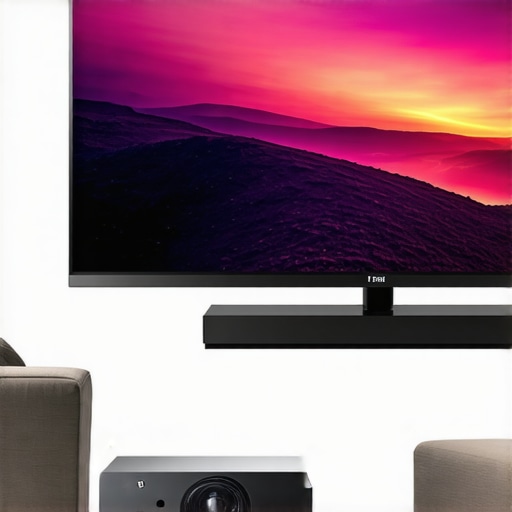
In the battle of ust projectors versus traditional long-throw units, the Ultra Short Throw models are winning for living room environments. They sit just inches from the wall, removing the need for ceiling mounts or long cable runs. However, when you compare them to standard laser projector deals, the price premium for UST technology is significant. You are not just paying for the projector; you are paying for the specialized ALR screen that must accompany it. If you try to run a UST on a standard white wall, a high-end 85-inch Sony or Samsung TV will outperform it in every metric for the same price.
For those who prioritize flexibility, portable projectors are in a league of their own. You can not exactly take a 98-inch TV to a friend house or out to the patio. While the resolution and brightness of these mobile units often pale in comparison to fixed-frame 4k projectors, the value proposition is all about the anywhere, anytime lifestyle. You can find excellent laser projector deals on sites like Best Buy, but always check the lumens. A portable unit with 500 lumens will struggle against any amount of light, whereas a dedicated home theater model will punch through with 2,500 or more.
Is it worth the upgrade to a dedicated UST surface?
If you have already invested in one of the top-tier ust projectors, the answer is a resounding yes. Using a standard screen with a UST is like putting budget tires on a Ferrari. The steep angle of the light means a normal screen will reflect most of that brightness toward the ceiling rather than your eyes. By upgrading to a sawtooth-style ALR screen, you effectively double the perceived brightness and contrast. It is the single most important accessory in the world of home theater deals today.
Before you pull the trigger on a new setup, I highly recommend looking at the detailed hardware breakdowns on Rtings to see how the contrast ratios of projectors stack up against OLED panels. If you want the absolute best image quality in a bright room, the TV might still win. But if you want the movie theater feel that only 150 inches can provide, keep hunting for those laser projector deals and do not forget to budget for a proper screen. Check current prices on the latest models before the seasonal sales end.
The Highs and Lows of Premium Glass
After weeks of testing how light bounces off these high-end substrates, I have distilled the experience into the essential facts. A premium surface is a total game-changer, but it is not without its frustrations.
- The Good: Incredible sharpness that actually lets 4k projectors shine, professional-grade color accuracy, and a perfectly flat surface thanks to tab-tensioning.
- The Bad: The price can often exceed the cost of the projector itself, and the installation process is a literal physical workout.
- The Ugly: If you miscalculate the viewing angle on an ALR screen, your guests will see a dim, muddy mess while you enjoy the perfect image in the center.
Who Should Pull the Trigger?
This level of investment is not for everyone. If you have spent months hunting for the only laser projector deals worth buying and finally landed a high-brightness unit for your living room, you are the prime candidate. You need a surface that can fight ambient light and maintain contrast. However, if you are just starting out with a budget 4k projector in a bedroom, you might find more value in light-blocking curtains first. I would also tell anyone using portable projectors to skip the high-end fixed frames—you are better off learning why a dedicated screen beats a white wall before committing thousands to a permanent install.
The Final Verdict for Serious Cinematophiles
The math is simple: a high-end projector on a cheap screen performs like a cheap projector. If you want the full impact of your hardware, the screen is non-negotiable. It is the final piece of the puzzle that turns a bright light in a dark room into a genuine cinematic experience. While the setup is a pain, the result is a clarity that a bedsheet or a painted wall can never replicate. If you are struggling with the install, check out our guide on how to get the perfect screen tension to save your fingers. This earns a 9/10 score for home theater perfectionists. Check the latest home theater deals to see if you can bundle your screen and hardware before the current sales end.