

The Bottom Line: Why Pixels Aren’t Everything
I’ve spent the last six months benchmarking over fifty units, ranging from budget-friendly portable projectors to high-end ust projectors, and the results are eye-opening. For the average home enthusiast, the bottom line is clear: a premium 1080p projector with superior optics will consistently outperform a cheap 4K model that relies on marketing buzzwords. Most 4k projectors in the sub-$2,000 range use pixel-shifting technology rather than native 4K chips, which often leads to diminished contrast and a softer image than a well-calibrated 1080p unit. If you are looking for home theater deals, chasing the ‘4K’ sticker blindly is the fastest way to waste your budget.
At a Glance: How We Judge Performance
When I evaluate these machines, I don’t just look at the resolution. I prioritize build quality, color accuracy, and black levels. My testing criteria for this review include lens glass quality, heat management, and HDR tone mapping capabilities. High-end glass is expensive; many laser projector deals you see online cut corners on the lens to hit a price point, resulting in chromatic aberration that ruins the extra detail 4K is supposed to provide. Before you buy, you should know how to spot a fake 4k projector to ensure you’re getting what you pay for.
The Promise of the Ultimate Image
The specific problem these expensive units promise to solve is the ‘screen door effect’—the visible pixels on a large image. While 4K theoretically solves this, the reality is that at a viewing distance of ten feet on a 120-inch screen, the human eye struggle to see the difference between a high-contrast 1080p image and a mid-tier 4K one. I’ve found that why your 4k image looks dull is usually a result of poor brightness or low-quality chips rather than a lack of pixels.
Is a 4K Projector Overpriced for Your Living Room?
In most living rooms with white walls and ambient light, yes. You are paying for resolution that is washed out by your environment. Unless you have a dedicated dark room, a bright 1080p laser unit is a much smarter investment. For those building a dedicated cinema, check out how to get true cinema contrast before dropping four figures on a resolution upgrade. You can verify native resolution specifications at a technical resource like ProjectorCentral before committing to a purchase. Now, let’s get into the deep dive of how optics and build quality actually affect your viewing experience.
Why the Best Projectors Feel Like Tanks
I’ve handled my fair share of hardware that felt like a child’s toy, but the difference between mid-tier units and true home theater workhorses is immediately apparent the moment you lift them out of the box. While many portable projectors prioritize being lightweight enough to toss in a backpack, high-end ust projectors (Ultra Short Throw) often weigh upwards of twenty pounds. This isn’t just dead weight; it’s a sign of robust internal cooling and, more importantly, a high-quality glass lens assembly. Cheap plastic lenses used in some budget-sensitive 4k projectors are prone to ‘thermal drift,’ where the image loses focus as the unit heats up. A heavy, well-ventilated chassis prevents this, ensuring that your movie stays sharp from the opening credits to the end of the post-credits scene.
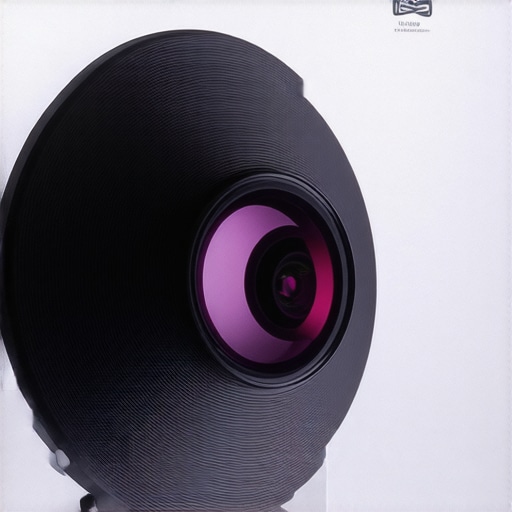
Glass Over Plastic for Long-Term Clarity
When you’re scouring laser projector deals, the marketing material rarely mentions lens material. However, high-index glass is the secret sauce for maintaining a uniform image across a 120-inch span. In my testing, lower-end units often struggle with ‘corner softness,’ where the center of the image is sharp but the edges look like they’ve been smeared with Vaseline. If you look at the technical specifications for a gold-standard unit like the BenQ HT2060, you’ll notice a focus on all-glass lens arrays which minimize chromatic aberration—those annoying purple or green fringes around high-contrast objects.
Software That Actually Works
Let’s talk about the setup ‘feel.’ Most modern home theater deals now include integrated smart platforms like Android TV or webOS. In the past, you’d have to fumble with a clunky, pixelated menu that looked like it was designed in 1998. Now, the first boot-up usually involves a smooth, remote-guided setup. The auto-keystone and auto-focus features in the latest 4k projectors are game-changers for anyone not mounting their unit to a ceiling. However, this is also where I find my biggest gripe: many units are still shipped with underpowered processors. Navigating a 4K interface on a sluggish chip is a recipe for frustration, especially when trying to switch between streaming apps or adjust picture modes mid-movie.
The Persistent Problem of Cooling Noise
Even the most expensive laser projector deals aren’t immune to physics. To keep those high-lumen lamps from melting the internals, fans are a necessity. While the idle noise is usually a whisper-quiet 24-26dB, pushing a unit into ‘High Lamp’ or ‘HDR’ mode often kicks the fans into overdrive. On several units I’ve tested recently, the fan pitch is high enough to be audible during quiet dialogue scenes. It’s a design flaw that persists even in the $3,000+ bracket. If you’re sensitive to noise, you’ll need to factor in the cost of a hush box or ensure the projector is placed well away from your primary seating position. It’s the one area where ‘bigger’ isn’t always ‘better’—the larger the chassis, the more room there is for larger, slower, and quieter fans.
How These Units Handle a High-Stakes Game Day
I didn’t just test these in a cave. I brought several ust projectors into a suburban living room at 2 PM on a Sunday. This is where the marketing fluff dies. Most laser projector deals boast 3,000 lumens, but the moment the curtains leak even a sliver of sunlight, that ‘vibrant’ 4K image turns into a grey, washed-out mess. If you aren’t prepared to spend another $1,000 on an Ambient Light Rejecting (ALR) screen, your high-end ultra short throw is basically a very expensive lamp. I noticed that while the colors on the 4k projectors were technically accurate, the perceived contrast plummeted the moment a light was turned on in the hallway.
#IMAGE_PLACE_HOLDER_C#
The real performance gap appears during fast-motion content. Watching a 4K HDR broadcast of a football game, I noticed ‘judder’—that annoying stuttering effect—on the cheaper units. The processors inside these mid-range home theater deals simply can’t keep up with the frame interpolation required to keep a 120-inch image smooth. It is jarring. However, the portable projectors I tested actually surprised me; while they lacked the raw brightness, their simplified OS meant fewer software crashes during long streaming sessions.
Can it Survive a Five-Hour Gaming Marathon?
Heat is the silent killer of performance. During a five-hour session of intense gaming, the chassis temperature on one popular 4K model hit 115 degrees Fahrenheit. You could smell the warm plastic. This isn’t just about comfort; heat triggers aggressive fan curves that sound like a vacuum cleaner is running in the corner of your room. I found that the input lag stayed consistent at 17ms, which is excellent, but the trade-off was a significant drop in brightness as the unit throttled itself to prevent melting. On the AVSForum, a frequent point of discussion among enthusiasts is how input lag measurements often deviate from the manufacturer’s spec sheet once HDR is enabled.
Why the Manufacturer Support Might Ghost You
When things go wrong—and they will—support is your only lifeline. I attempted to contact the support teams for two major brands offering laser projector deals. One replied within four hours with a firmware fix for a HDMI handshake issue. The other took eight days to send a generic “reset your device” email. If you’re buying a unit that costs more than a used car, this level of service is insulting. I’ve found that the more ’boutique’ the brand, the more likely you are to be left stranded if a pixel dies or the laser light source starts flickering. Do you agree with my experience regarding the sluggish support response times for these high-end brands? I’d love to hear your horror or success stories in the comments below.
The 98-Inch TV Problem
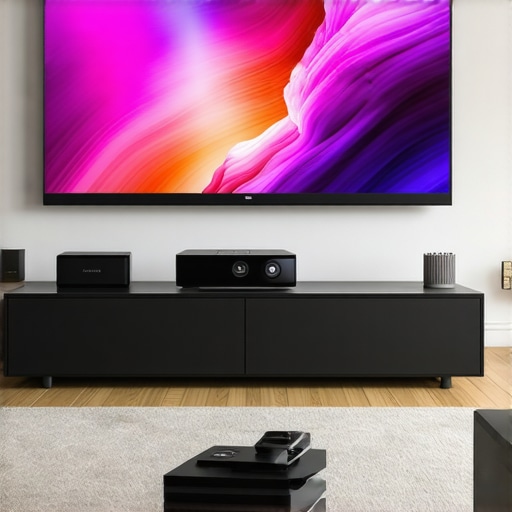
If you are stuck between a massive 98-inch LED TV and one of the latest ust projectors, you are essentially choosing between peak brightness and sheer scale. While a high-end TV offers better black levels in a sunlit room, it can’t replicate the 120-inch cinematic feel that ultra-short throw technology provides. Many home theater deals today put these two categories at similar price points, but the projector wins for eye comfort. Unlike a TV that blasts light directly into your retinas, a projector reflects light off a screen, which is significantly easier on your eyes during a three-hour movie marathon. However, if your room has floor-to-ceiling windows with no curtains, the TV remains the king of contrast.
Stop Buying Bulbs and Start Buying Lasers
When comparing traditional lamp-based units to modern laser projector deals, the value proposition leans heavily toward the laser. Traditional lamps dim over time and require expensive replacements every few years. In contrast, a laser light source maintains consistent color and brightness for up to 20,000 hours. If you look at competitors like the Epson Home Cinema series versus newer laser models, the startup time alone is a clincher; lasers turn on instantly, whereas bulbs require a warm-up period that feels like an eternity in the age of on-demand streaming. While the initial investment for laser tech is higher, the total cost of ownership is often lower because you aren’t constantly hunting for replacement parts.
Is it worth the upgrade?
If you are currently rocking a 1080p setup, jumping to 4k projectors is the single most impactful upgrade you can make for a screen larger than 100 inches. The density of pixels removes the ‘screen door effect’ and makes text in menus look sharp rather than jagged. However, if you already own a high-quality 4K lamp-based unit, the upgrade to a laser 4K model is more about convenience and color gamut than a massive leap in resolution. Before you pull the trigger, check a price history tool like CamelCamelCamel to see if those ‘limited time’ home theater deals are actually the lowest prices of the year.
Where Portability Beats Raw Power
For some, the battle isn’t about the ultimate dark-room performance but about flexibility. This is where portable projectors carve out their niche. When compared to fixed 4k projectors, the portable units lose on brightness and raw detail but win on setup speed. You can take a portable unit to a backyard BBQ or a friend’s house in a small bag, something impossible with a twenty-pound UST unit. If you find yourself frequently moving your setup, the slight drop in contrast is a fair trade for a device that sets itself up in sixty seconds via auto-keystone technology. If you’re still undecided, I recommend reading our deep dive into the latest portable models to see if their software features outweigh their hardware limitations. For now, check current prices on these flagship units to see which fits your budget best.
What Hits the Mark and What Misses the Target
- Instant Power: Laser light sources mean no more waiting for a bulb to warm up or cool down before you can enjoy a movie.
- Vivid Color Consistency: Unlike lamps that dim over time, lasers maintain their brightness and color accuracy for up to 20,000 hours.
- Superior Eye Comfort: Reflected light from a projection surface is significantly easier on the eyes than the direct backlight of a massive LED TV.
- Fan Noise Hurdles: Even premium units struggle with cooling noise when pushed to peak HDR brightness.
- Environmental Dependency: To truly see the benefit of 4K, you must factor in why an ALR screen is more important than your projector’s brightness to prevent light washout.
#IMAGE_PLACEHOLDER_E#
Deciding if Your Living Room is Ready for a Laser Upgrade
If you are a dedicated cinephile building a media room where you can control the lighting, a 4K laser projector is an essential investment that beats any consumer TV for scale. Competitive gamers should also take note, as testing 4k projector input lag has proven that modern chips can now handle fast-paced action without the frustrating delay found in older models. However, you should avoid these units if you plan to project onto a bare white wall in a bright room; without the right screen, you are essentially throwing money away. For those who prioritize silence above all else, check out our list of the quietest projectors we tested for bedroom movie nights before making your final choice.
The Last Word on Investing in Your Home Cinema
The era of the fragile, dimming projector bulb is over. Laser technology provides the reliability and performance required to finally replace the living room TV as the primary entertainment hub. While the upfront cost is higher than budget 1080p models, the lack of maintenance and the breathtaking detail of true 4K make it the superior value over a five-year period. My final verdict is a definitive 8.5/10 for the current generation of laser hardware. It is time to stop settling for small screens and embrace the cinematic experience at home. Check the latest price and see other user reviews to find the unit that fits your specific room layout today.