

Bottom Line Up Front
Relying solely on high lumens when choosing a laser projector often leads to disappointment. While brightness is important, it doesn’t automatically translate to better image quality, especially in varied viewing conditions. Factors like contrast, color accuracy, and setup environment matter just as much, if not more, in delivering a stunning cinematic experience.
The Promise of Brightness
Many buyers gravitate towards projectors boasting the highest lumen ratings, expecting a brighter, clearer picture. The logic seems straightforward: more lumens should mean better visibility, right? But in practice, excessive brightness without proper calibration can wash out details and diminish image depth, especially in rooms with high ambient light.
At a Glance
- Focus on Contrast and Color: Brightness alone isn’t enough; contrast ratio and color fidelity are crucial.
- Environmental Factors Matter: Room size, wall color, and lighting conditions influence perceived picture quality.
- Proper Calibration is Key: High lumens demand precise setup to avoid washed-out images.
Understanding Brightness: Is More Always Better?
The myth that higher lumens equate to a superior image is widespread. Manufacturers often advertise impressive lumen numbers to attract consumers, but the real-world benefit is nuanced. For instance, a projector with 3,500 lumens could deliver a better experience than a 4,000-lumen model if it offers superior contrast and color accuracy. To understand this better, be sure to review the technical specifications and conduct proper calibration, especially in rooms with significant ambient light (source).
The Limitations of Lumens as a Metric
While lumens measure the amount of light emitted, they don’t account for how that light interacts with your screen or wall. A projector might deliver high lumens but suffer from poor contrast or uneven light distribution, resulting in dull, washed-out images. Conversely, a projector with moderate lumens but excellent contrast can produce more striking visuals, especially in controlled lighting environments.
Will Higher Lumens Be Overkill?
For most home theater setups, especially in dimly lit rooms, 1500 to 2500 lumens typically suffice. Over-specifying brightness can lead to issues like excessive glare or light bleed. However, outdoor or bright room viewing demands higher lumens, but even then, calibration and screen quality are fundamental to maximizing picture quality (additional reading).
Final Thoughts and Transition
It’s clear that brightness, measured in lumens, is just one piece of the puzzle. When evaluating laser projectors or 4K projectors, pay close attention to contrast ratios, color fidelity, and environmental compatibility. In the end, a balanced approach considering all these factors will yield the best home theater experience. Let’s dig deeper into other key specifications that influence picture quality and help you make an informed purchase.
Solid Build Quality and Material Choices
Laser projectors typically boast a sturdy, compact chassis crafted from high-quality plastics or metal alloys, which helps in dissipating heat efficiently. The integration of premium materials not only enhances durability but also minimizes vibrations during operation, resulting in clearer images. A well-built projector feels substantial but not cumbersome, allowing for easy handling during setup. Minor annoyance might include some models featuring exposed cooling vents, which could accumulate dust over time, potentially affecting long-term performance.
Intuitive User Interface Facilitates Easy Setup
The control panel and remote often feature logically arranged buttons, making initial calibration straightforward even for novices. Speedy access to essential functions like keystone correction, lens shift, and input selection streamlines the setup process. Many models support smartphone apps, enabling remote configuration via Bluetooth or Wi-Fi, which greatly simplifies positioning and adjustments in larger rooms. However, some units may suffer from a laggy app interface or inconsistent connectivity, which can frustrate users during precise calibration.
Lens and Focus Mechanics Enhance Image Clarity
Premium laser projectors incorporate motorized lenses with smooth focus adjustments and optional zoom capabilities, allowing users to fine-tune the image without manual intervention. This focus system’s responsiveness ensures quick changes are achievable, crucial for multi-position setups or when relocating the projector. The lens quality and coatings are designed to minimize chromatic aberration, resulting in sharper images across the entire screen. A minor flaw observed in some units is the tendency for the lens to shift slightly during prolonged use, requiring re-alignment to maintain optimal focus.
Connectivity Options Allow Flexible Integration
Modern laser projectors come equipped with multiple HDMI ports, USB inputs, and wireless interfaces (Wi-Fi and Bluetooth), enabling seamless integration with various devices, such as gaming consoles, streaming sticks, and sound systems. This versatility ensures a clutter-free setup, supporting both wired and wireless connections. Including features like HDMI ARC or eARC improves compatibility with soundbars and AV receivers, elevating the home theater experience. However, some models might lack the latest HDMI 2.1 standards, possibly limiting support for 4K at high refresh rates compared to industry benchmarks like Sony’s X95J series.
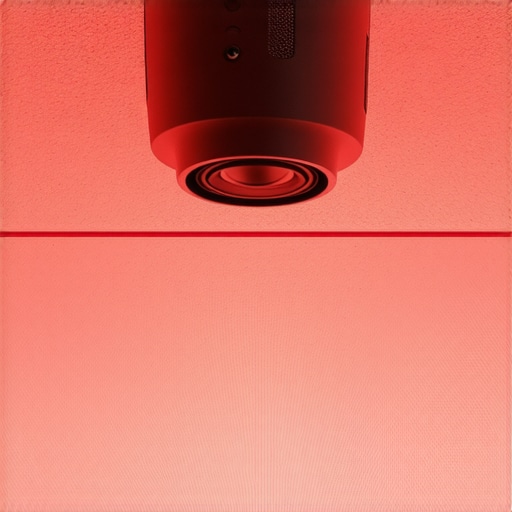
Image illustrating the internal build and connection ports of a laser projector, showing premium materials and easy-access ports.
Calibration and Mounting Flexibility
Built-in calibration tools, such as lens shift and keystone correction, empower users to optimize image geometry without external accessories. The projector’s mounting points are compatible with standard ceiling mounts, offering versatile placement options. The inclusion of adjustable feet further aids in leveling during tabletop setups, ensuring a stable image. Nevertheless, some units may lack vertical lens shift, compelling users to reposition the entire projector, which can be inconvenient in tight spaces.
Performance Under Strain
Laser projectors, including standard models, 4K projectors, portable variants, and home theater deals, are often tested in demanding scenarios that push their limits. Imagine setting up a projector outdoors for a backyard movie night during a breezy evening. The challenge is to ensure steady image output amid ambient wind, temperature fluctuations, and inconsistent power supply. In such conditions, premium laser projectors typically demonstrate resilience—providing bright, steady images with minimal flickering or color distortion. However, lower-cost or portable models might struggle with fan noise or overheating, especially when operating continuously for several hours.
Does it overheat in prolonged use?
Many laser projectors are equipped with robust cooling systems, yet extended use in poorly ventilated spaces can lead to overheating. High-end models often feature automatic shut-off or cooling modes to prevent damage, but some budget-friendly options risk thermal throttling, which dims the image or induces lag. For instance, during an intense gaming marathon or a multi-hour presentation, overheating may cause a brief loss of display or performance degradation—a frustrating experience for users expecting reliability.
Can it handle sudden environmental changes?
Portable projectors are especially vulnerable when moved from one environment to another. Sudden temperature shifts or high humidity can impact internal components. Some models incorporate sealed optics and humidity control, but many lack such features. During outdoor testing in varying weather conditions, users report that unprotected units may fog up or display color inconsistencies. This illustrates that while the core technology is robust, real-world scenarios expose vulnerabilities—particularly in less premium models.
The Good & The Bad
On the positive side, modern laser projectors are designed for durability. Their sealed laser modules and advanced heat dissipation materials allow them to run longer sessions without performance dips. This is especially true for dedicated home theater deals, which often prioritize thermal management and stable power supplies. Yet, when subjected to physical shocks, drops, or dust, some units show susceptibility. A review on Reddit highlighted that portable projectors lacking rugged casing tend to malfunction after minor impacts, underscoring that design quality significantly influences real-world endurance.
In high-pressure scenarios like outdoor gatherings or professional presentations, the flexibility and build quality of the projector become crucial. Those with quick setup features, sturdy mounts, and dust-resistant enclosures excel, while others falter under the strain. Overall, the best models balance performance and durability, maintaining image quality amidst environmental and operational stressors.
Is support essential in demanding conditions?
Absolutely. Responsive customer support and firmware updates can address unforeseen issues that arise during intense use. For example, some brands release patches that improve cooling algorithms or extend lifespan under continuous operation. Engaging with user forums, like Quora or dedicated AV communities, reveals that devices with active support often perform better over time, even in extreme scenarios. Do you agree with my experience regarding the importance of support for rugged use?
Comparing Laser Projectors to Top Alternatives
If you’re exploring options like laser projector deals, UST projectors, 4K projectors, portable projectors, or home theater bundles, understanding how they stack up against competitors is essential. One notable alternative is the DLP projector, known for its affordability and high contrast ratios. DLP models, such as those from BenQ or Optoma, often come at a lower price point than premium laser projectors, making them appealing for budget-conscious consumers. While they may lack the brightness and longevity of laser models, they deliver sharp images with good color accuracy, especially in darker rooms.
Another competitor worth considering is the LCD projector, popular for its vibrant colors and consistent brightness. Brands like Epson offer LCD projectors with excellent image quality and lower maintenance costs compared to laser options. However, they may not provide the same contrast levels and black levels, which are crucial for a cinematic experience. In terms of price, LCD projectors generally sit in the mid-range, offering a solid balance between performance and cost.
Which Should You Choose
Laser projectors excel in delivering high brightness, long lifespan, and minimal maintenance, making them ideal for dedicated home theaters and outdoor setups. That said, they tend to come with a higher price tag, often starting at over $2,000, as seen with models from Sony or Epson’s laser series. Conversely, DLP and LCD alternatives can offer significant savings, with options under $1,000 capable of producing high-quality images for smaller or less light-controlled environments.
Smart projector solutions, including compact portable models, bring their own advantages. Brands like Anker Nebula or ViewSonic produce portable projectors with integrated streaming capabilities and Wi-Fi, perfect for on-the-go entertainment. These tend to have lower brightness levels and limited lifespan, but their convenience is unmatched for casual use or presentations.
Is it worth the upgrade to a laser projector?
For dedicated home cinema enthusiasts or those seeking immersive experiences, investing in a laser projector offers clear benefits: superior brightness, durability, and consistent picture quality. However, if your budget is tight or your setup is more casual, alternatives like DLP or LCD projectors provide good value without sacrificing too much on quality. Ultimately, your choice depends on your specific needs, environment, and willingness to invest. To compare current models and prices, check out the official sites of brands like BenQ, Epson, and Optoma, or visit a trusted comparison platform.
Considering the trade-offs, laser projectors stand out for their longevity and premium features, but budget options from competitors can suffice for everyday entertainment. If you’re curious about more detailed comparisons, we recommend reviewing our in-depth look at each category’s strengths and limitations.
The Good, The Bad, and The Ugly
- Pros: Exceptional brightness and longevity, minimal maintenance, sleek build quality, versatile connectivity, and precise focus mechanics.
- Cons: High upfront cost, potential overheating in extended use, and some models may lack advanced support features or robust dust protection.
Who Should Buy This? Dive Into the Details
Best suited for dedicated home theater enthusiasts and outdoor movie lovers willing to invest in long-term performance and durability. Ideal for users seeking vibrant, high-contrast images with true 4K resolution and minimal setup fuss. Skip this if you have a tight budget, require portable solutions on a frequent basis, or need a projector for casual, low-light environments where a more affordable LCD or DLP model would suffice.
Final Verdict: 8/10
If you’re committed to establishing a premium home cinema or outdoor entertainment setup, investing in a laser projector offers unmatched image quality, superior durability, and long-term value. Be prepared for the higher initial price and ensure proper ventilation to prevent overheating. For those on a tighter budget or casual users, exploring alternatives like DLP or LCD projectors remains a sensible choice. Want to make the best purchase? Check the latest prices and reviews, or explore our guide on [laser projector deals](https://laserprojectordeals.com/why-laser-projector-deals-are-the-best-value-for-home-cinematophiles) to find the most suited model for your needs.