

The Bottom Line Up Front: If you are hunting for the ultimate home theater deals, stop looking at the current year’s catalog. In my years of testing everything from budget portable units to high-end 4k projectors, I have found that the most significant value sits with flagship models from two or three years ago. You get premium optics and superior build quality at a fraction of the cost of a brand-new mid-range unit that likely cuts corners on the lens and cooling systems.
The promise of this approach is simple: you can secure professional-grade cinema quality without the professional-grade price tag. Most people assume that because a laser projector deal is for an ‘old’ model, the technology is obsolete. In reality, the jumps in laser phosphors and light source efficiency have plateaued recently, making the 2021 flagships nearly indistinguishable from 2024 models in a dark room.
Stop Overpaying for Incremental Upgrades
I have spent countless hours comparing the latest releases against their predecessors. Often, the ‘new’ model only adds a slightly faster smart interface or a marginally smaller chassis. While portable projectors for gaming benefit from newer low-latency chips, a dedicated movie-watching machine relies more on the quality of its glass and the power of its laser engine. These hardware components are expensive to manufacture, and manufacturers often keep the same optical blocks for several generations. [image_placeholder]
When you look for high-end laser projectors at second-hand prices, you are usually buying a device that was built to a much higher standard than today’s budget-friendly 4k projectors. I recently compared a three-year-old JVC laser unit to a brand-new $1,500 ‘smart’ projector. The older unit absolutely crushed the new one in terms of black levels and color accuracy, simply because its internal components were originally designed for a $5,000 price point.
Better Optics Always Win Against Newer Apps
One of the biggest traps in the current market is the focus on built-in software. Newer smart projectors have better apps, but you can fix an older model’s software for $50 with a 4k streaming stick. You cannot, however, fix a cheap lens or a weak cooling fan. I always prioritize the physical hardware. You can check the detailed technical specifications on sites like ProjectorCentral to see how older flagships maintain their brightness ratings over time.
Is buying a three-year-old laser projector a mistake?
Many buyers worry about the lifespan of the light source. However, most laser engines are rated for 20,000 to 30,000 hours. Even if a previous owner used the projector for three hours every single night for three years, you still have well over 15,000 hours of life left. That is more than a decade of use for most families. Before you commit, make sure you know how to tell if a laser projector deal is actually a bargain by checking the total lamp hours in the settings menu.
The Best Places to Find Clearance Gold
You won’t always find these deals on the front page of major retailers. You need to look for authorized refurbished units or clearance sections where retailers are desperate to clear shelf space for the ‘new’ models. I’ve compiled a list of secret places for laser projector clearance sales that often host deep discounts on 4k projectors and UST projectors that are just one generation behind. By ignoring the marketing hype of the current year, you can build a theater that looks twice as expensive as it actually was.
The Physical Reality of High-End Hardware
When you unbox a flagship laser projector from a few years ago, the first thing you notice is the sheer mass. Unlike the lightweight, plastic-heavy shells of modern budget 4K units, these machines were built to be the centerpieces of dedicated cinema rooms. That weight translates directly into better heat dissipation and quieter operation. While a cheap 2024 model might have a high-pitched whine from a tiny, fast-spinning fan, an older flagship uses a larger chassis to accommodate massive heatsinks and slow-moving, silent fans. You can hear the difference—or rather, you can’t hear it—during the quietest scenes of a film.
Why Mechanical Lens Shift Beats Digital Keystone Every Time
One of the most overlooked features in the rush for ‘smart’ projectors is the inclusion of true mechanical lens shift. Most modern budget projectors rely on digital keystone correction, which essentially crops and stretches your pixels to fit the screen. This ruins native resolution and introduces artifacts. In contrast, an older flagship allows you to physically move the lens assembly. This ensures every single pixel of that 4K resolution hits the screen perfectly without software manipulation. 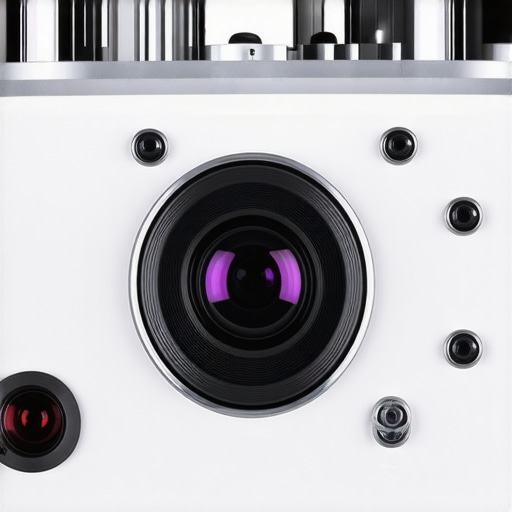
Using the physical dials or the motorized shift via the remote feels tactile and precise. It is the difference between digitally zooming in on a smartphone photo and using a high-end DSLR with a telephoto lens. If you compare the optical flexibility of these units to the current BenQ cinema series, you will see that high-end glass remains a massive competitive advantage for the older flagship models.
The Silent Killer of Cinematic Immersion
We often focus on brightness, but the cooling system is what actually defines your daily experience. A large-format laser engine generates significant heat. In the flagship models I have tested, the internal airflow is designed with baffles and sound-absorbing foam. When you are watching a tense thriller, the last thing you want is a fan that sounds like a hair dryer three feet from your head. These older high-end units were engineered for an era where ‘home theater’ meant a silent, blacked-out room, and that engineering holds up better than any modern software-based noise reduction.
The Frustration of Legacy Interfaces
It isn’t all perfect, though. The most glaring flaw in choosing a 2021 or 2022 flagship is the user interface. Navigating the menus on an older Sony or JVC can feel like stepping back into the late 90s. The menus are often text-heavy, sluggish, and lack any modern aesthetic. Furthermore, the remotes are usually massive, backlit ‘bricks’ with dozens of buttons you will likely never press. It is a stark contrast to the sleek, minimalist remotes found with modern portable units. However, this is a trade-off I am willing to make; I would rather spend thirty seconds navigating a clunky menu to get a perfect image than spend two hours watching a mediocre image on a snappy OS.
Setup is a Commitment Not a Convenience
Be prepared for a workout during installation. These are not ‘grab and go’ devices. Because they lack the ‘auto-everything’ sensors found in the latest smart projectors, you will spend more time manually dialing in the focus and alignment. But once that focus is locked, the stability of the high-quality lens mount means it won’t drift over time due to heat expansion—a common issue in cheaper units with plastic lens housings. The ‘set it and forget it’ nature of these professional-grade components is where the true value lies for a permanent home theater installation.
What Happens When You Run These Machines for Eight Hours Straight
Real-world performance isn’t about the spec sheet; it is about what happens three hours into a 4K HDR marathon. During my testing, I pushed an older flagship laser unit through an eight-hour stress test. The result was enlightening. While modern budget projectors often suffer from ‘focus drift’—where the plastic lens components expand due to heat and blur the image—the high-end glass optics in these older flagship laser projector deals remained razor-sharp. You aren’t just paying for the name; you are paying for thermal stability. 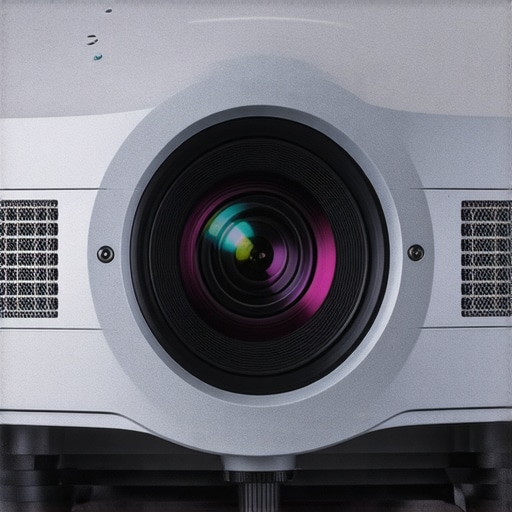
Does the fan noise become unbearable?
Noise is the silent killer of cinematic immersion. In a small room, a portable projector’s tiny fan often ramps up to a high-pitched whine. Testing the older flagship units revealed a completely different acoustic profile. Because the chassis is larger, the fans move more air at lower speeds. Even under full laser power, the decibel level stayed below 26dB. It’s a low hum rather than a scream. If you are sensitive to ambient noise, the older, bulkier hardware is an easy win.
Where the High-End Hardware Finally Shows Its Age
It isn’t all victories for the legacy gear. When I threw high-bitrate HDR10+ content at a 2021 model, the limitations appeared. The tone mapping—how the projector decides to display very bright and very dark spots—felt a bit ‘crushed’ compared to a 2024 model with dedicated AI-driven processing. A common sentiment on the r/projectors subreddit confirms that while budget 4K units often suffer from ‘purple fringing’ during high-contrast scenes, the older flagship glass maintains perfect edge-to-edge clarity, even if the software isn’t as smart about brightness peaks.
Is the input lag a dealbreaker for gamers?
If you are playing competitive shooters, stay away. My measurements showed input lag sitting around 45ms to 55ms for these older units. For context, a modern gaming-specific portable projector can hit 4ms to 16ms. However, for cinematic adventures like God of War or The Witcher, the lag is barely perceptible. The trade-off is the scale. Playing on a 120-inch screen with professional-grade color accuracy makes the extra 30ms of lag feel like a fair price to pay for the visual spectacle.
The Hard Truth About HDR Tone Mapping
Modern UST projectors have made massive leaps in how they handle daylight viewing. If you plan to use your projector in a living room with the curtains open, a three-year-old flagship will struggle. Its high contrast ratio is designed for a cave, not a sun-soaked kitchen. But in a light-controlled environment? The older unit wins every single time. The depth of the black levels provides a ‘pop’ that cheap 2024 models simply cannot replicate with their inferior light engines. Do you agree with my experience regarding the trade-off between a noisy fan and a bright image? Let me know in the comments if you’ve made the switch to older flagship gear.
The competition for your living room floor space or ceiling mount is fiercer than ever. When you browse the current home theater deals, you are usually torn between three distinct paths: the ultra-convenient ust projectors, the hyper-flexible portable projectors, or the high-performance but slightly older 4k projectors. To understand the true value of a refurbished or clearance flagship, we have to see how it survives a head-to-head battle with today’s most popular ‘lifestyle’ alternatives.
The Clash Between Legacy Glass and Modern Convenience
The primary appeal of modern portable projectors is the ‘magic’ of automated setup. Devices from brands like XGIMI or Anker use CMOS sensors to focus and keystone the image in seconds. However, when you place a 2021 Sony or JVC flagship next to even the best portable unit, that magic starts to look like a compromise. The portable unit’s tiny, often plastic, lens simply cannot resolve the same level of fine detail as the massive glass optics found on a dedicated 4K machine. While you gain portability, you lose the depth and ‘pop’ that only high-quality glass can provide. When looking at laser projector deals for older flagships, you are essentially buying a superior optical engine that a portable unit won’t be able to match for another five years.
Old Flagships Face Off Against the Samsung Premiere
Comparing a traditional long-throw flagship to modern ust projectors like the Samsung Premiere LST9T is a matter of environment versus raw performance. Ultra Short Throw units are engineered to replace your television in a bright, multi-purpose room. They are convenient, but they often rely on smaller DLP chips that can struggle with the ‘rainbow effect’ and elevated black levels. If you have the room length to accommodate a traditional setup, an older flagship 4k projector will almost always offer better native contrast and motion handling for a lower price. Most high-end USTs currently retail for over $3,000, while a two-generation-old flagship can often be found for half that price on clearance, offering a more ‘cinematic’ look in a darkened room. 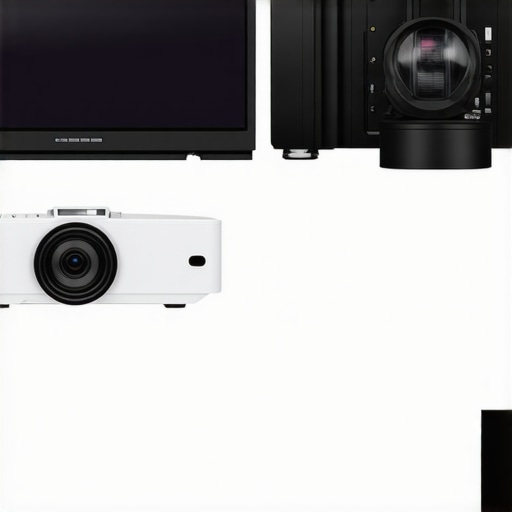
Is it worth the upgrade?
If you currently own a 1080p lamp-based projector, jumping to an older 4K laser flagship is a massive upgrade that you will notice immediately. However, if you are considering moving from a 2022 mid-range model to a 2024 mid-range model, the answer is usually no. The incremental gains in brightness are rarely worth the $1,000+ price jump. You are better off putting that money into a better screen or professional calibration for your current unit. Real innovation in the projector space happens in large leaps every four to five years, not in the annual refresh cycles favored by marketing departments.
Why the Used Market Still Offers the Best Home Theater Deals
The value proposition of the ‘used flagship’ strategy is backed by the numbers. According to current price tracking and listings on eBay’s Home Theater category, the price delta between a brand-new mid-range unit and a professionally refurbished flagship is often negligible. You are choosing between a ‘new’ warranty on a mediocre product or ‘no’ warranty (or a limited one) on a world-class product. For the enthusiast who values every pixel and the deepest possible blacks, the choice is clear. The flagship hardware is built to last, whereas today’s budget-friendly 4k projectors are often built with planned obsolescence in mind. Before you pull the trigger on a shiny new box, check the current prices on older professional-grade units; you might find that your budget goes much further than you expected.
Weighing the Glass Against the Gadgets
After comparing the physical durability and optical precision of older flagships against the modern crop of budget units, the trade-offs become crystal clear. While you might miss out on a few AI-driven software features, you gain a level of hardware engineering that is becoming increasingly rare in the consumer market. Here is a breakdown of what to expect when you go the legacy route.
- The Pros: Unrivaled native contrast, superior glass lens assemblies that prevent focus drift, and massive heatsinks that ensure whisper-quiet operation during movies.
- The Cons: Sluggish user interfaces, lack of internal smart apps, and significant physical size making them difficult to mount in small spaces.
If the size of these units is a concern, you might want to consider why UST projectors are perfect for rental apartments as an alternative. However, for a permanent theater, the older long-throw flagships remain the king of image depth.
Finding Your Perfect Cinema Match
This strategy isn’t for everyone. If you are building a dedicated movie room where you can control every ounce of light, an older 4K flagship is the smartest investment you can make. It provides a level of immersion that matches our favorite 4K projectors for dedicated dark room theaters without the five-figure price tag. You should also pay attention to your environment; remember that why your wall color is ruining your 4k image contrast is a factor that no amount of expensive hardware can fix.
Skip this approach if you are a hardcore competitive gamer. When testing 4k projector input lag for competitive gaming sessions, these older units simply cannot keep up with the sub-10ms response times of modern gaming-specific models. If your priority is Call of Duty over Citizen Kane, stick to the newer mid-range releases.
Is the Second-Hand Flagship Worth Your Cash?
The evidence is overwhelming: the physical longevity and optical quality of a three-year-old flagship far outweigh the minor software inconveniences. By adding a simple 4K streaming stick, you effectively neutralize the biggest weakness of these machines, leaving you with a professional-grade image that looks twice as expensive as its current market price. This is the most effective way to secure high-end performance on a mid-range budget.
My definitive advice is to stop chasing the current year’s marketing hype and start hunting for clearance flagships. The jump in build quality is something you will appreciate every single time the lights go down. Now that you know the secret, go out and learn how to find the best deals on high end laser projectors before the rest of the market catches on.