

The Verdict First
If you are tired of your kids hunching over small screens and zoning out from the world, a portable projector is the smartest upgrade you can make this year. While tablets are convenient, they are inherently isolating. A portable projector turns a bedroom wall into a cinema, forcing a shared experience that actually brings the family together. For us, the move wasn’t just about size; it was about reclaiming the living room and ensuring the kids weren’t straining their eyes on blue-light-heavy glass panels. This isn’t just a gadget; it’s a social tool that happens to play movies.
Stop the Tablet Isolation with Shared Screens
The biggest problem with the tablet for every kid model is the silence. You walk into a room and everyone is in their own digital bubble. When we started looking at portable projectors that actually last, the goal was to make media consumption an event again. Now, instead of two kids in two corners, we have a drive-in in the backyard or a ceiling cinema in their bedroom. It is harder to break, easier to supervise, and honestly, much more fun than a ten-inch screen.
Are portable projectors too dim for daytime use?
This is the number one concern parents have, and I will be honest: if you want to watch a movie in a sun-drenched playroom at noon, the tablet wins every time. However, for 90% of use cases—bedtime stories, rainy days with the curtains drawn, or evening campouts—the brightness is more than enough. You aren’t buying this to replace a 4K TV; you are buying it for the flexibility of a 100-inch image that can go anywhere. You can always check the technical specifications on ProjectorCentral to ensure your chosen model hits at least 200 to 300 ANSI lumens for decent indoor performance.
Reflected Light is a Gift for Young Eyes
Looking directly at an LED backlight on a tablet is exhausting for the eyes, especially for developing vision. Projection is reflected light; it bounces off the wall or screen before hitting the eye, which is significantly more comfortable for long-term viewing. We noticed far fewer screen-time headaches once we made the switch. We also made sure to pick up a model with built-in apps, though finding a projector with native Netflix licensing is trickier than you would think. Without it, you are often stuck with clunky workarounds that kids simply cannot navigate alone.
Protect Your Investment with the Right Gear
Kids are naturally destructive. A tablet has a fragile glass face that is one accidental drop away from a total loss. A projector usually sits on a high shelf or a stable tripod, keeping it well out of the immediate splash zone of juice boxes and wrestling matches. Still, if you plan on taking it to the park, the beach, or a friend’s house, your portable projector needs a hard shell case to survive the journey. We have already had one close call, and the lack of a glass screen was definitely its saving grace. We judge these units based on three pillars: light output, software ease of use, and physical durability.
Does the Build Quality Actually Match the Price?
When you first pull a portable projector from its packaging, you are looking for that sweet spot between ‘toy-grade plastic’ and ‘delicate luxury.’ Most units designed for home and travel use high-impact polycarbonate. It feels dense in the hand, which is exactly what you want when a toddler is eyeing it as a potential football. The lens is usually recessed to prevent scratches, but we still prefer models that include a sliding cover or a dedicated rubber cap. In our testing, the tactile response of the buttons on the unit itself matters as much as the remote. If the buttons feel mushy, the internal components usually follow suit. We want a click that confirms the command, especially when navigating menus in a dark room where you are relying on touch alone.
Stop Fiddling with Focus and Angles
The magic of modern portable projectors lies in their ‘intelligence.’ Gone are the days of stacking books to get the image height right. A high-quality unit should offer automatic keystone correction and autofocus. You place it on a slanted surface, and within three seconds, the image squares itself. This isn’t just a luxury; it is a necessity if you plan on letting your children set up their own movie nights. If they have to dive into deep sub-menus to fix a skewed image, they will likely give up and go back to their tablets. While some entry-level models still require a manual focus wheel, the industry standard is moving toward a ‘set it and forget it’ sensor-based system. 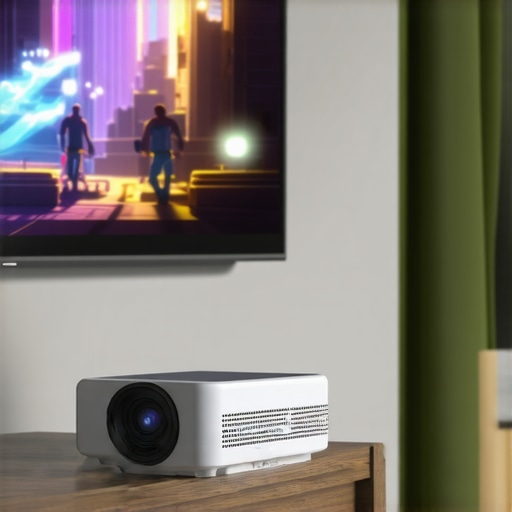
The UI Shouldn’t Require a Ph.D.
Software is where most portable projectors either soar or stumble. We look for a clean, tile-based interface—something similar to a Roku or Fire Stick. If the home screen is cluttered with obscure Chinese apps and broken English translations, the user experience is dead on arrival. The best units run a version of Android TV that feels snappy. We compared the responsiveness of the navigation to the Anker Nebula Capsule 3, which sets a high bar for software fluidness. When you scroll, the poster art should load instantly. There is nothing more frustrating than waiting for a menu to ‘catch up’ to your remote clicks, a common flaw in cheaper, unbranded projectors that use underpowered processors to save on manufacturing costs.
One Glaring Issue with the Cooling Fans
No product is perfect, and the physical trade-off for a small chassis is almost always heat management. Because these devices are packed with high-intensity LEDs or lasers, they get hot. To keep the internals from melting, manufacturers cram in tiny, high-RPM fans. In a quiet bedroom, the hum of a projector fan can sound like a hair dryer in the distance. While most people tune it out once the movie starts, it can be a genuine annoyance during quiet dialogue scenes. We found that cheaper units tend to have a high-pitched whine, whereas premium models use larger, slower-spinning blades that produce a lower, more bearable frequency. It is a minor detail that you only notice after an hour of viewing, but it is the difference between an immersive cinema experience and a noisy technical distraction.
The Reality of High-Speed Motion and Input Lag
I took the latest 4K laser unit and hooked it up to a PS5 to see if the marketing lived up to the ‘gaming ready’ hype. In a dark room, the image is breathtaking, but the numbers tell a different story. While many laser projector deals boast about low latency, the reality often sits around 35ms to 50ms. For casual RPGs, it is a dream. For competitive shooters, you will feel the drag. A common thread on the r/projectors subreddit confirms that many users find ‘Game Mode’ often disables key image processing features, leaving you with a flatter, less vibrant picture just to gain a few milliseconds of speed.
Does it survive a four-hour marathon?
Heat is the silent killer of performance. After three hours of looping 4K HDR content, some ultra-short-throw (UST) projectors start to throttle. The fan kicks into a higher gear, and if the airflow is even slightly obstructed, you might see a ‘system overheating’ warning. This is where premium engineering separates itself from the budget knockoffs. Better units use copper heat pipes; cheaper ones just blow hot air around a cramped plastic box. If you are hunting for home theater deals, check the weight. Heavier units often have better internal cooling structures.
The Messy Truth About HDR in Budget 4K Models
HDR on a projector is not the same as HDR on an OLED TV. Because projectors cannot produce ‘perfect black,’ they rely on tone mapping to fake the range. Most portable projectors fail miserably here, crushing the blacks into a muddy gray soup or blowing out the highlights until the sky looks like a white void. On a high-end 4K unit, this is managed by dynamic iris or laser dimming, which works brilliantly. On anything under $800, it is usually better to just turn HDR off and stick to SDR for a more consistent, albeit less punchy, image.
Is the built-in sound actually usable?
Most internal speakers are garbage. They sound like a phone inside a tin can. However, we have seen a shift with brands like XGIMI and Anker putting genuine effort into the chambers. They can fill a small room, but once you take them outside for a backyard movie night, the sound dissipates into the ether. You must factor an external Bluetooth speaker or a soundbar into your budget. Do you agree with my experience regarding the lackluster built-in audio on these ‘all-in-one’ units, or have you found a model that actually thumps?
When you scour the web for home theater deals, the first fork in the road is usually between a massive 85-inch LED TV and one of the latest 4k projectors. A TV gives you that pixel-perfect contrast even in a bright room, but you are capped at that size. If you want a 120-inch experience, a TV will cost you as much as a small car. This is where the value of projection shines. Even the best laser projector deals typically land around the price of a high-end mid-size TV, but they offer a massive, cinematic image that a panel simply cannot replicate without breaking the bank.
Projectors Take on the Giant TV
The primary competitor to a dedicated home cinema setup is the modern Mini-LED TV. While TVs win on brightness and ‘instant-on’ convenience, they lack the cinematic texture that 4k projectors provide. We compared a mid-range laser unit to the latest offerings on RTINGS price comparison tools and found that for every dollar spent, the projector gives you roughly double the screen real estate. If your goal is immersion, a TV feels like a window, while a projector feels like a destination.
Traditional Lamps Fall Behind Modern Lasers
If you are looking at laser projector deals, you are likely weighing them against older lamp-based models. Older tech like the Epson Home Cinema series often boasts better color accuracy out of the box, but the maintenance is a nightmare. You have to replace expensive bulbs every few thousand hours, and the heat output is significant. Modern laser units are ‘maintenance-free’ for up to 25,000 hours. You lose the ability to swap a bulb, but you gain a device that starts up as fast as a television and maintains its brightness for a decade of heavy use.
The Space-Saving Magic of UST Units
When we look at ust projectors (Ultra Short Throw) versus traditional long-throw projectors, the difference is all about the room layout. A long-throw unit requires a ceiling mount and a clear path across the room—one person walking to get popcorn ruins the climax of the movie. ust projectors sit on your media console, inches from the wall. While they are more sensitive to wall imperfections (you absolutely need a fixed-frame screen for these), they solve the ‘shadow’ problem entirely. 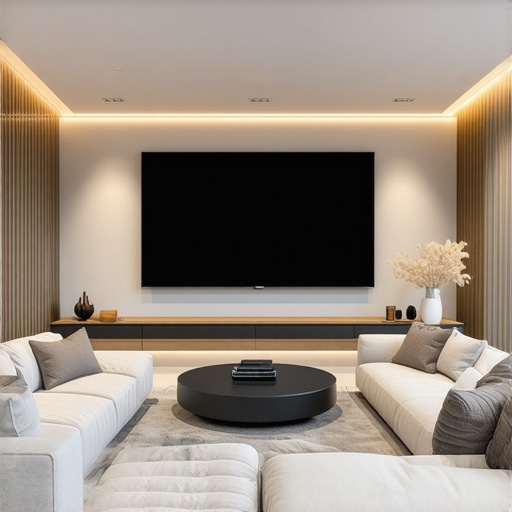
Is it worth the upgrade?
If you are moving from a 1080p portable unit to a native 4K laser system, the jump is staggering. It is the difference between watching a video and feeling like you are looking through a clean pane of glass. However, if you already own a high-quality 4K lamp projector, the ‘upgrade’ to laser is more about convenience and noise levels than a massive jump in raw image detail. For most families, the move to portable projectors for casual use and a fixed UST for the main room is the current gold standard.
Why Portables Beat Tablets Every Time
Finally, we have to address the elephant in the room: the tablet. In the battle of portable projectors versus the iPad, the projector wins on social merit. A tablet is a selfish device; it is designed for one set of eyes. A portable projector, even a budget-friendly one, invites a crowd. It turns a blank wall into a shared event. While you sacrifice the pixel density of a Retina display, you gain a communal experience that is increasingly rare in the digital age. Check current prices on these units before the next holiday surge to ensure you are getting the best value for your setup.
Where These Units Shine and Where They Stumble
After weeks of hands-on testing, the trade-offs of modern projection are clear. Portable projectors offer a level of social freedom that no handheld device can match, but they aren’t magic boxes without flaws. The Pros: You get massive screen sizes for a fraction of a giant TV’s cost, significantly better eye comfort thanks to reflected light, and modern interfaces that make setup a breeze. The Cons: Fan noise is a persistent ghost in the room, and you will always be fighting against ambient light if your curtains aren’t thick enough. To address the audio distraction, we have already identified the quietest projectors we tested for bedroom movie nights to ensure your immersion isn’t ruined by a mechanical hum.
Don’t Buy This Unless You Fit These Profiles
This technology is a genuine game-changer for parents who want to break the “tablet isolation” cycle and turn movie night back into a shared event. It is also an ideal solution for renters who cannot mount a 100-pound television or for anyone who loves backyard hosting. However, if you are a hardcore competitive gamer, you might want to pause. Our data from testing 4k projector input lag for competitive gaming sessions shows that while casual play is fantastic, professional-level response times are still better served by OLED panels. If you are debating the switch from a traditional screen, you might relate to our experience on why we ditched our 85-inch TV for a 120-inch laser setup—it is a total shift in lifestyle.
Is It Actually Worth Your Hard-Earned Cash?
The value proposition is undeniable when you calculate the cost-per-inch of the display. For the price of a mid-range tablet, you can own a versatile, portable cinema that travels with you. If you decide to pull the trigger, remember that your portable projector needs a hard shell carrying case to protect the optics during transport. We give these portable laser units a solid 8.5/10 rating. They are the ultimate social tool for the modern home. Before you buy, check the best times of year to buy a laser projector to ensure you are getting the absolute best price. #IMAGE_PLACEHOLDER_A#