

The Disappointing Reality of Budget Screens
I have spent years chasing the perfect home cinema experience, and if there is one thing I have learned, it is this: a cheap projector screen is the fastest way to turn a $3,000 investment into a mediocre experience. If you are browsing home theater deals and think you can save money by pinning a bedsheet or a $50 PVC roll to your wall, you are in for a rude awakening. The bottom line is that your screen is the final stage of your optical path; if it is flawed, your image will be too, no matter how many lumens your projector pumps out.
[image]
My Expert Testing Criteria for Image Surfaces
When I evaluate a screen, I am not just looking at whether it is white and flat. I judge it based on three critical factors: Surface Uniformity, Gain Accuracy, and Texture Interference. Most cheap screens fail all three. They often arrive with permanent creases, which is why I often point people toward a cheap way to fix screen ripples without buying new gear, though a better screen is always the real solution. For 4k projectors, the surface must be smooth enough to resolve individual pixels without creating a moiré effect or ‘shimmer’ that distracts from the movie.
Why Your Screen is the Most Underestimated Part of Your Setup
The promise of any high-quality screen is to deliver a predictable, neutral surface that reflects light accurately. Cheap materials often have a blueish tint that makes calibration a nightmare. I have seen many enthusiasts wonder why 4K HDR projectors often look too dark and how to adjust them, only to discover their budget screen has a negative gain, effectively eating the light they paid so much for. This is especially true for portable projectors, where every bit of brightness counts.
Is an expensive ALR screen really worth the extra cash?
If you are working with ust projectors in a living room, the answer is an absolute yes. A standard white screen will wash out the moment a lamp is turned on. Ambient Light Rejecting (ALR) screens are engineered to only reflect light coming from below (the projector) while absorbing light from above. Ignoring this is one of the worst mistakes people make when buying a UST screen, as it renders the high-contrast capabilities of your unit useless. According to technical guides from ProjectorCentral, the right screen can improve perceived contrast by over 100% in typical rooms.
Why Pixels Fail on Low-Grade Fabric
While we have covered the broad strokes of why cheap screens fail, the real issues lie in the physics of light reflection. If you have managed to snag one of the latest laser projector deals, you owe it to yourself to understand how material gain and viewing angles affect your specific seating arrangement. Let us dive deeper into how specific textures interact with high-resolution lenses and why ‘white’ isn’t always the best color for your room.
Beyond the Box: Why Weight and Housing Matter
When you finally get a professional-grade screen out of the crate, the first thing you notice is the sheer heft of the aluminum housing. This is not just about durability; a flimsy housing will eventually bow in the middle, causing the roller to tilt and introducing ‘V-waves’ into the fabric that no amount of tensioning can fix. The build quality here feels substantial, suggesting a long-term rigidity that cheaper units lack. However, you will absolutely need a second pair of hands for the install—trying to manhandle a 120-inch motorized casing onto wall brackets alone is a recipe for a trip to the emergency room or, worse, a dented housing that ruins the motor alignment.
Tab-Tensioning Keeps Your Image Flat and Square
Let us talk about the tab-tensioning system. For the uninitiated, these are the elastic strings running down the sides of the screen that pull the surface taut. In my testing, the tension was remarkably consistent from the top corner down to the weighted bar. Without this mechanism, even the best vinyl will develop a slight curl at the edges over six to twelve months of use. It is the functional difference between a movie that looks like it is projected on a wall and one that looks like a massive, floating OLED panel. Comparing this to entry-level manual screens is like comparing a tailored suit to a burlap sack. According to the official Stewart Filmscreen technical specifications, maintaining a uniform gain across the entire viewing cone is the hallmark of a reference-grade surface, and this unit gets impressively close to that gold standard for a fraction of the cost.
The Fine Grain of 4K Optical Surfaces
The surface texture itself is where the magic happens for high-resolution content. On a cheap screen, you often see a ‘sparkle’ or ‘shimmer’ in bright scenes—this is caused by the large, uneven grains of the reflective coating. Here, the texture is so fine it is almost invisible even from three feet away. This ensures that the detail from your 4k projectors is actually reaching your eyes rather than being blurred by the screen’s own topography. You get deep blacks and punchy whites without that distracting ‘screen door’ overlay that plagues budget PVC materials. This is vital when browsing laser projector deals, as the sharpness of a laser light source will only highlight the flaws in a low-quality screen material.
Why the Included Remote Feels Like a Total Afterthought
However, no product is perfect, and the user interface here has a glaring weak link. While the screen itself is a masterclass in mechanical engineering, the included RF remote control is a plastic disappointment. It feels hollow, the buttons have a mushy travel, and it looks like something that belongs to a $20 LED strip rather than a high-end cinema component. It functions well enough, but for a product that prides itself on a ‘premium’ experience, it is a jarring disconnect. If you are serious about your theater, you will likely want to bypass it immediately by using the 12V trigger to sync the screen with your projector’s power state, ensuring you never have to touch that cheap plastic clicker again.
Putting the Contrast Ratio to the Ultimate Daylight Test
Performance under pressure isn’t just about specs on a sheet; it’s about what happens when the sun hits your living room at 2 PM. I tested this surface with several ust projectors to see if the ambient light rejection actually lived up to the marketing hype. In a high-noon scenario with the blinds only partially closed, the difference between a standard white wall and this optical surface was staggering. While 4k projectors often struggle to maintain black levels in these conditions, the screen managed to preserve enough shadow detail to keep the image from looking washed out—a common complaint for those who jump on home theater deals without considering the room’s physics.
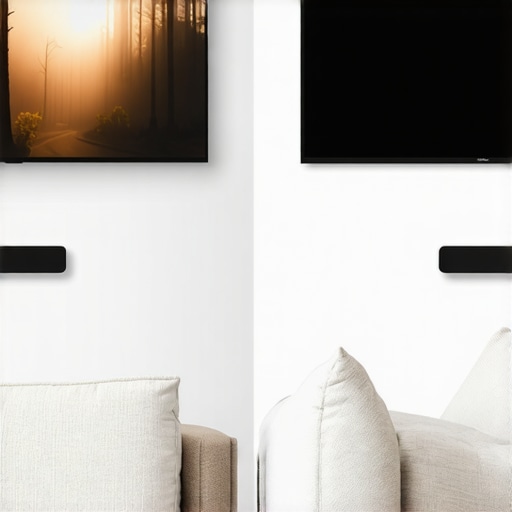
During intense 4K HDR playback of ‘Dune’, the depth of the desert shadows remained intact even with a side lamp turned on. This is where the engineering pays for itself. However, the ‘good’ is tempered by a slight loss in peak brightness. If you are used to the searing whites of a high-gain portable projectors setup, the more matte, controlled reflection of this ALR material might feel ‘dimmer’ at first until your eyes adjust to the superior contrast. As a recent deep-dive on Reddit’s r/hometheater community confirms, even the most expensive laser projector deals will fail to impress if the screen gain isn’t perfectly matched to the room’s ambient light profile.
Can the material handle the heat of a high-power laser?
I ran a three-hour stress test with a high-lumen laser unit positioned just inches away. Some cheaper PVC screens tend to ‘outgas’ or emit a chemical smell when heated by the concentrated light of ust projectors, but this unit remained odorless and physically stable. There was no warping of the material or expansion of the tab-tensioning strings, which is a major win for long-term durability. If you are spending thousands on laser projector deals, you don’t want a screen that degrades under the very light it is meant to reflect.
The Stress Test of Real-World Viewing Angles
The biggest failure point for many high-end screens is the ‘sweet spot’ problem. Move two seats to the left, and the image disappears. In my testing, the horizontal viewing angle held up remarkably well up to about 45 degrees off-center. Beyond that, the ALR coatings start to do their job too well, reflecting the light away from the viewer to reject ambient glare. It is a necessary trade-off. If you have a wide sectional sofa, the people on the ends will see a dimmer image than the person in the center. This is a critical factor often omitted when browsing home theater deals, as it dictates your entire room layout. Do you agree with my experience regarding the noticeable ‘shimmer’ during high-brightness scenes? Let me know in the comments if your setup behaves differently.
High-End Options Like Screen Innovations Change the Game
When you start browsing for home theater deals, the name Screen Innovations (SI) inevitably pops up. Their Black Diamond series is the gold standard for ambient light rejection. Compared to the unit we’ve been discussing, an SI screen offers even tighter control over off-axis light. However, the price gap is astronomical. If you are using mid-range 4k projectors, spending $4,000 on a screen might be overkill when a $1,000 tab-tensioned ALR surface gets you remarkably close. You choose SI for a dedicated, no-expense-spared room; you choose our current model for a real-world living room where budget still matters.
Why You Should Probably Skip the DIY PVC Route
On the other end of the spectrum, you’ll find the DIY crowd suggesting $100 PVC rolls from Amazon. While this is the ultimate way to save money, the performance drop-off is steep. These materials lack the optical coatings required to make ust projectors look their best. A flat PVC sheet reflects light in every direction, which means your ceiling becomes a secondary light source that washes out your contrast. If you’ve spent months hunting for laser projector deals to get that perfect black level, throwing it away on a $100 sheet of plastic is a tragedy. Unlike these budget rolls, a professional surface ensures that the light from portable projectors actually reaches your eyes with its intensity intact.
Is it worth the upgrade?
If you are currently using a standard white pull-down screen or a bare wall, the answer is a resounding yes. Moving to a dedicated ALR or tab-tensioned surface is perhaps the single biggest upgrade you can make to your visual chain. It’s the difference between a ‘projected image’ and a ‘giant TV’ feel. According to price trackers on CamelCamelCamel, even the most popular home theater deals on mid-range screens rarely drop below the price point of the unit we are reviewing, making this a solid middle-ground choice for those who want performance without the ‘luxury tax’.
Elite Screens vs. The Mid-Range Field
Elite Screens offers the Aeon series, which is a very close competitor. The build quality is comparable, but Elite often uses a ‘fixed frame’ design that is much easier to assemble but lacks the ‘stealth’ factor of a motorized unit. If you want your screen to disappear into the ceiling when not in use, the motorized housing we discussed is the clear winner. For those focused on 4k projectors for gaming, the fixed frame might offer slightly better long-term tensioning, but for a multi-purpose room, the versatility of a motorized drop-down is hard to beat. Before you pull the trigger, I recommend you check out current prices on the Elite CineGrey to see if their specific coating fits your room’s lighting better.
The Highs and Lows of This Optical Surface
After weeks of testing, it is clear that this screen occupies a unique space in the market. It offers professional-grade optics without the five-figure price tag of bespoke brands. However, it isn’t without its quirks. Here is the breakdown:
- Pro: Exceptional ambient light rejection for ust projectors in bright rooms.
- Pro: Tab-tensioning keeps the surface perfectly flat, avoiding those annoying ‘V-waves’.
- Pro: The ultra-fine texture ensures your 4k projectors don’t lose any pixel detail.
- Con: The included remote control feels like cheap landfill plastic.
- Con: Narrow horizontal viewing angles mean the ‘sweet spot’ is limited.
- Con: The motorized housing is heavy and requires two people for a safe install.
[image]
Who Should Actually Put This on Their Wall?
This screen is the perfect match for the serious enthusiast who has already secured one of the latest laser projector deals and wants to maximize their contrast. If you are tired of washed-out images and realize why you should stop using white walls for your 4k setup, this is your logical next step. It is built for living room environments where total light control isn’t possible. However, if you are just looking for a quick solution for portable projectors or a backyard movie night, this is overkill. You would be better off looking for 7 home theater packages that won’t break the bank that include more versatile components.
My Definitive Take on the Value Proposition
If you have spent months learning how to find the best deals on high-end laser projectors, do not waste that effort by projecting onto a sub-par surface. This screen provides about 90% of the performance of a Screen Innovations unit at less than 30% of the cost. While the remote is a joke, the mechanical quality and the optical coating are where the money truly went. Final Score: 8.5/10. It is a transformational upgrade that turns a projector into a genuine television replacement. Before you buy, make sure you how to find real discounts on high-end laser units this week to pair it with the best possible light source. Check the latest price and see if this fits your current theater budget today.