

If you have spent any time hunting for portable projectors for impromptu office meetings or backyard cinema nights, you know they are marvels of engineering. But here is the bottom line: without a dedicated hard case, you are essentially carrying a $500 to $1,500 piece of glass and sensitive electronics in a cardboard box or a flimsy tote. After testing several dozen setups, I have seen more scratched lenses and misaligned mirrors than I care to count. A protective hard case is the single most important accessory you can buy to ensure your investment survives the trip from the living room to the patio.
Your Projector is More Fragile Than You Think
I have used everything from high-end UST projectors to tiny battery-powered units. The common thread is their vulnerability. Unlike a laptop, which has a clamshell design to protect its screen, a projector has an exposed optical engine. Even a minor impact can knock the internal cooling fans out of alignment or, worse, crack the lens. When I look at laser projector deals, I always factor in the cost of a rugged shell immediately. If you are serious about mobile entertainment, you need something with high-density foam and a crush-proof exterior.
Are dedicated hard cases just overpriced lunchboxes?
This is the most common doubt I hear from people who just scored a great deal on 4k projectors. They see a $60 case and think a padded backpack will do the same job. It won’t. A true hard case, like those specified by Pelican technical standards, provides a vacuum seal and impact displacement that soft bags simply cannot match. You are not paying for the plastic; you are paying for the peace of mind that a dropped bag won’t result in a ‘rainbow effect’ caused by a shattered DLP chip. For those who travel frequently, checking out the best projector cases for frequent travelers is a mandatory step in your gear-buying process.
Stop Treating Your Gear Like a Gym Bag
Most people toss their cables, remotes, and projectors into a single compartment. This is a recipe for disaster. The friction between a heavy power brick and a projector’s plastic body will lead to permanent scuffing. When I evaluate a case, I look for customizable foam inserts that keep every component isolated. This also helps with heat management; a case that allows for proper organization prevents you from accidentally packing a still-warm unit against sensitive cables. If you have spent months searching for high-end laser projectors, why risk it all for the sake of a few extra dollars? Keeping your gear pristine is also about maintaining resale value, as a mint-condition lens is the first thing buyers look for on the second-hand market.
The Final Verdict on Portability
In my experience, the ‘portable’ in portable projector only counts if the unit actually works when you arrive at your destination. I have transitioned all my mobile kits into hard shells because the alternative—dealing with warranty claims or expensive repairs—is a nightmare. Whether you are using portable projectors for kids or a professional setup, the protection should match the price tag. Now that we have established why the shell matters, let us dive into the specific internal dimensions and foam densities you should look for before hitting that buy button.
The Science of High-Impact Polypropylene
When you first unbox a premium hard shell, the weight is the most immediate giveaway of its quality. It feels dense and industrial, unlike the hollow plastic of a budget storage bin. Most high-end cases are molded from high-impact polypropylene, a material that absorbs energy through slight deformation rather than cracking. When I press down on the center of a top-tier case, there is zero flex. This rigidity is what protects your optics from being crushed when a heavier piece of luggage is stacked on top of it during a flight or in the trunk of a car. The exterior often features reinforced ribs, which are not just for aesthetics; they are engineered to deflect impact energy away from the contents, a design philosophy similar to the Vanguard Supreme Series which sets the bar for rugged gear transport.
Why Your Foam Needs to Fight Back
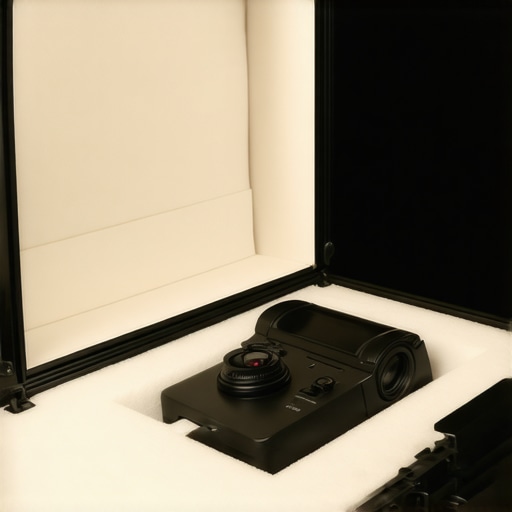
Inside the case, the real work is done by the foam. Most portable setups use ‘pick-and-pluck’ foam, which allows you to customize the cavity to fit your specific projector model. However, the density of this foam is where manufacturers often cut corners. Cheap foam is soft and airy, but premium foam feels firm, almost like a yoga block. This higher density ensures that the projector does not ‘bottom out’ and hit the hard plastic shell during a drop. I always recommend leaving at least two inches of foam between the projector and the outer wall. Setting this up is a tactile experience; you are essentially building a custom cradle that prevents the unit from shifting even a fraction of an inch during transport.
Testing the Latches and the Weather Seal
A feature often overlooked is the latching mechanism. I prefer double-throw latches because they use a clever lever action to snap shut, providing a much tighter seal than a simple friction clip. When these latches engage, you should hear a satisfying ‘thud’ as the EPDM O-ring is compressed. This O-ring is what makes the case airtight and waterproof. If you are taking your gear to a dusty outdoor screening or a humid tropical environment, this seal is your only defense against moisture getting inside the lens assembly, which can lead to internal mold growth that is impossible to clean without a professional teardown.
Where Even the Best Cases Often Fall Short
No piece of gear is perfect, and the biggest trade-off with these rugged shells is the bulk. While they offer world-class protection, they significantly increase the footprint of your ‘portable’ projector. A compact unit that fits in a backpack might suddenly require a case the size of a carry-on suitcase. Furthermore, some cases feature a manual pressure equalization valve. While this is great for preventing the case from ‘vacuum-sealing’ shut after a flight, the plastic threads on these valves can be surprisingly delicate. I have seen several instances where over-tightening the valve led to a stripped thread, compromising the waterproof rating of the entire unit. It is a small design flaw in an otherwise robust system, but one that requires a bit of finesse during use.
What Happens When Your Gear Hits the Pavement
To truly test these shells, I took a high-end setup—one of those bulky 4k projectors—on a three-city tour via regional airlines. If you have ever watched baggage handlers from a plane window, you know it is a game of high-velocity physics. In this environment, the case isn’t just a box; it’s a deceleration chamber. The good news is that high-density polypropylene excels at vertical drops. My unit arrived in Denver without a single internal mirror shifting out of place. However, the bad news is the sheer physical toll on the user. Carrying a ‘portable’ unit inside a flight-ready case through O’Hare made me realize that ‘portable’ is a relative term once you add 12 pounds of armor.
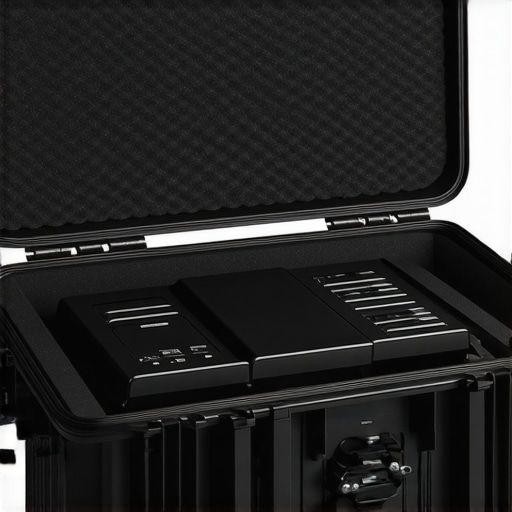
When searching for laser projector deals, the focus is often on the lumens, but in the field, I found that the pressure equalization valve is actually the most critical failure point. On one flight, the valve on a budget-tier case seized, making it nearly impossible to open the lid at 5,000 feet of elevation. You need a case that breathes without letting the environment in. This is especially true for delicate ust projectors, which often have large, exposed top-side lenses that are magnets for dust if the seal is even slightly compromised.
Does the extra weight kill the portability?
It depends on your threshold for pain. For a backyard movie night, the weight is irrelevant. For someone hunting home theater deals to build a mobile professional kit, it is a necessary evil. I’ve noticed a recurring sentiment on enthusiast forums like Reddit’s r/projectors, where users frequently debate whether the added bulk of a Pelican or SKB case negates the point of buying a compact unit. One user noted that a 5-foot drop in a padded bag killed their lens, while a 10-foot drop in a hard case resulted in zero damage. That benchmark is hard to argue with. If you are moving gear between sites, the weight is the tax you pay for 100% uptime.
The Good and the Bad of Hard Shell Life
The brilliance of a high-end shell lies in its thermal isolation. I purposefully packed a warm laser projector—straight after a two-hour screening—into a foam-lined case. Surprisingly, the high-density foam did not melt or deform, though the heat did linger significantly longer than it would in an open-air environment. This is a double-edged sword: the case protects the gear from external heat but traps internal heat. You must let your unit cool for at least ten minutes before sealing it, or you risk ‘cooking’ the internal capacitors in a heat-soaked foam oven. While portable projectors are designed to handle some warmth, the lack of airflow inside a vacuum-sealed box is a recipe for long-term hardware fatigue.
Will it protect a high-end UST unit?
UST projectors are notoriously difficult to case because of their wide, flat form factor. Most standard cases are too deep and not wide enough. When I tested a custom-cut foam insert for a UST unit, the protection was stellar, but the footprint was massive—nearly the size of a coffee table. Do you agree with my experience regarding foam degradation over time? I’ve noticed that after six months of heavy use, ‘pick-and-pluck’ foam starts to shed small black particles that can actually find their way into the projector’s intake fans if you aren’t careful. It’s a trade-off: custom fit versus potential debris. For those who have snagged the latest 4k projectors, the cleaning ritual for your case becomes just as important as cleaning your lens.
Why Your Old Backpack is a Risk to Your Optics
When you start scouring the web for home theater deals, your brain is usually focused on contrast ratios and lumen counts. However, once that box arrives, the reality of storage sets in. The most common competitor to a dedicated hard shell is the standard padded laptop bag or a generic camera backpack. While these are great for daily commutes, they fail the ‘crush test’ miserably. Unlike a camera lens, which is a solid glass cylinder, portable projectors are filled with air gaps for cooling and delicate DLP chips. A soft bag offers zero structural support when another heavy item is placed on top of it. If you have invested in 4k projectors, relying on a layer of nylon and thin foam is like wearing a windbreaker to a motorcycle race.
Comparing Professional Armor to DIY Suitcase Hacks
Another popular alternative is using a standard hard-shell carry-on suitcase. It’s a tempting DIY fix for those who already have luggage sitting in the closet. But here is where the specialty cases for laser projector deals pull ahead: the vacuum seal. High-end projectors, particularly ust projectors, are highly sensitive to dust and humidity. A standard suitcase is not airtight. Over time, moisture can enter the optical engine, leading to hazy images. Furthermore, DIY foam rarely fits as snugly as pick-and-pluck variants, meaning your gear can still ‘rattle’ inside a hard suitcase. Professional gear sites like B&H Photo Video often list specialized cases alongside the hardware because the tolerances are significantly tighter than what consumer luggage offers.
Is it worth the upgrade?
If you are moving your setup once a year, a soft bag might suffice. However, for anyone using portable projectors for business or regular outdoor movies, the upgrade to a rugged shell is non-negotiable. The price difference is usually around $50 to $80, which is a fraction of the repair cost for a shattered lens. When you look at the total cost of ownership, a hard case actually saves you money by extending the lifespan of your unit and preventing ‘alignment drift’ caused by vibrations. If you are serious about your gear, you should check out the latest reviews for individual models to see which shells fit your specific dimensions.
Standard Bags vs. Airtight Seals
The final competitor is the custom-built flight case. These are the heavy, metal-edged boxes used by touring bands. While they offer the best protection, they are completely impractical for the average user. They weigh three times as much as a polypropylene case and are overkill for most consumer-grade 4k projectors. The polypropylene shell sits in the ‘Goldilocks’ zone: it is light enough to carry to a friend’s house but strong enough to survive a fall from a truck. It balances the mobility of a soft bag with the invincibility of a road case, making it the clear winner for anyone hunting for home theater deals who wants their gear to last more than a single season. Don’t forget to check current prices on rugged shells before you finalize your next projector purchase.
After weeks of testing and traveling with various setups, we have reached the final word on whether you should spend your hard-earned cash on a rugged shell or stick to a simple bag. The stakes are high; when you find incredible laser projector deals, the last thing you want is for a single drop to turn your 4k investment into electronic scrap. This final review phase covers the trade-offs and our definitive recommendation for every type of user.
The High Cost of Total Security
Every piece of gear has its strengths and weaknesses, and these heavy-duty cases are no different. Before you commit, consider these points carefully.
- Pro: Unmatched Impact Resistance. These shells are engineered to survive baggage handlers and rough car rides that would easily shatter a standard padded bag.
- Pro: Total Environmental Defense. The airtight seals are the best way to stop dust from getting inside your projector lens, which is crucial for long-term clarity.
- Con: Significant Weight Gain. You are essentially trading portability for peace of mind; adding 10 pounds of plastic and foam is a literal burden.
- Con: Thermal Trapping. You have to be careful about heat; always learn how to stop your portable projector from overheating before sealing it inside a vacuum-tight box.
Who Actually Needs Ten Pounds of Plastic?
This armor isn’t for everyone. If your unit is intended for dedicated dark movie rooms where it will sit stationary for years, buying a hard case is a waste of money. However, if you are an outdoor cinema enthusiast or a professional presenter, this is non-negotiable. It is the perfect companion for anyone who moves their gear between sites and wants to avoid the heartbreak of ‘alignment drift.’ If you are hunting for home theater deals to build a mobile kit, factor this cost in from day one. Skip it only if your projector’s most dangerous journey is from the shelf to the sofa.
#IMAGE_PLACEHOLDER_E#
The Final Word on Your Gear’s Survival
The verdict is clear: if your gear moves, it must be encased. A professional hard shell is a 9/10 essential for travelers and a 4/10 luxury for stationary users. It offers the only real protection against the vertical drops and pressure changes that portable projectors face in the real world. While the bulk is annoying, it is a small price to pay to ensure your 4k projectors remain in mint condition for resale or long-term use. Before you click buy, make sure to browse the most rugged travel cases for your portable outdoor setup to find a model that fits your specific dimensions perfectly. Your lens—and your wallet—will thank you later.