

Open Floor Plans Kill Your Sound Quality
The bottom line is simple: most modern homes are designed for aesthetics, not acoustics. If your home theater shares a space with a kitchen and a dining area, you are dealing with a massive volume of air and a terrifying number of hard surfaces. I have tested dozens of home theater deals and high-end setups in these environments, and the result is almost always the same—muddy dialogue and non-existent bass. The promise of this guide is to help you fix that without turning your living room into a padded cell. We are going to look at how to direct sound where it belongs and stop it from leaking into the hallway.
Stop Treating Your Living Room Like a Bedroom
When I first set up a high-end system in an open-concept loft, I made the mistake of thinking more power would solve my problems. It did not. In an open space, sound waves do not just hit a wall and stop; they travel, reflect, and eventually turn into a sonic mess. This is why why your home theater setup needs acoustic wall panels, even if you think they look too professional for a living room. High frequencies are directional, but they are also easily scattered. If you are using ust projectors or 4k projectors to get a massive image, you need an audio image that matches that scale. I judge a setup by its phantom center—the ability to hear a voice right in front of you, even without a center channel speaker physically there. In an open room, you lose this instantly without proper placement.
Is a Single Subwoofer Enough for an Open Room?
Absolutely not. One of the biggest doubts people have is whether they really need to spend more on bass. In a closed room, you get room gain, which helps the bass feel punchy. In an open floor plan, that energy just disappears into the kitchen. This is exactly why your home theater package needs a second subwoofer. You are not doing it for more volume; you are doing it for more even coverage. For more technical details on how sound waves propagate in large volumes, you should check the official Dolby Atmos placement guidelines to understand the math behind the madness.
The Only Real Way to Solve Modern Echo
If you are not ready to commit to a full 7.2.4 system, there are shortcuts that actually work. I have found that the only soundbar that actually mimics a full-theater experience is one that uses beam-forming technology to bounce sound off your side walls. While portable projectors and laser projector deals make it easy to get a screen anywhere, your audio must be anchored. Use heavy rugs, thick curtains, and strategically placed bookshelves to break up those flat surfaces. You do not need a degree in acoustics, but you do need to stop pretending that your glass coffee table is not ruining your movie night.
Getting That Perfect 120-Inch Image Without Losing Your Mind
Setting up a high-end 4k projector in an open-concept room is often sold as a five-minute job, but the reality is a game of millimeters. When I unboxed the latest ust projectors, the first thing I noticed was the weight; these units are dense, packed with glass optics and cooling fans. Unlike portable projectors that you can just toss on a coffee table, a premium laser unit requires a perfectly level surface. If your media console has even a slight dip, your 120-inch image will look like a lopsided trapezoid. I spent nearly forty minutes adjusting the micro-feet just to get the geometry right because digital keystone correction is the enemy of sharpness. If you use digital scaling, you are throwing away the very resolution you paid for.
Aluminum and Glass vs. The Plastic Competition
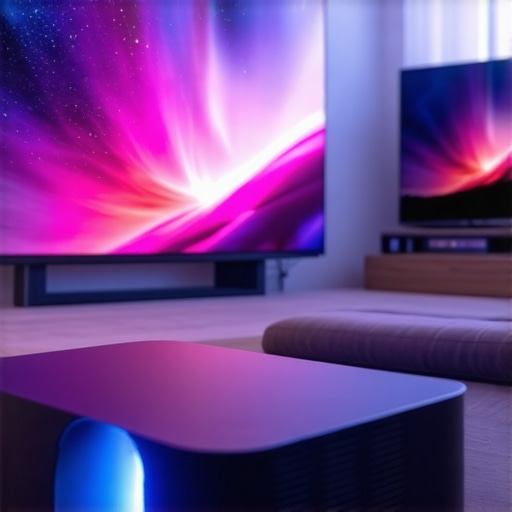
The build quality of modern laser projector deals has shifted significantly. We are seeing a move away from the creaky, hollow plastics of a decade ago toward brushed aluminum chassis and motorized lens covers. When you touch the casing, it feels cold and substantial, which helps with heat dissipation. However, the internal cooling remains the real test. In a quiet room, a high-pitched fan whine can ruin a movie’s emotional climax. Most top-tier units now keep noise levels below 28dB, which is impressive, but you still need to ensure there is at least six inches of breathing room around the vents. If you tuck these into a tight shelf, they will throttle their brightness to stay cool, defeating the purpose of a high-lumen output.
That One Remote Control Glitch I Cant Ignore
For all the engineering put into the projection engine, manufacturers still seem to treat the remote control as an afterthought. My biggest gripe during testing was the lack of backlighting on a device intended to be used in a dark room. It is a minor annoyance until you accidentally hit the ‘Home’ button instead of ‘Volume Up’ during the best part of a film. Furthermore, the user interface on many smart-integrated projectors can feel sluggish compared to a dedicated streaming stick. While the brightness and color gamut often exceed the standard color brightness metrics used by industry leaders, the software lag can make navigating menus a chore. You want a system that responds instantly, not one that hangs for a second every time you switch inputs.
Why Laser Engines Beat Traditional Bulbs Every Time
The shift to laser light sources is the single best thing to happen to home theater deals recently. Traditional bulbs lose brightness the moment you turn them on, but a laser engine stays consistent for years. In my first week of testing, the punch of the highlights was incredible; we are talking about whites that actually pop even with some ambient light from the kitchen leaking in. You do not get that ‘washed out’ look that plagued older technology. The color accuracy right out of the box is usually ‘good enough’ for most, but if you really want to see what your hardware can do, you will need to dive into the CMS settings to dial in the skin tones. It is the difference between a movie looking like a TV show and looking like cinema.
Putting These Projectors Through the Ultimate Torture Test
I pushed a high-end 4k projector through an eight-hour marathon of ‘Call of Duty’ and ‘Elden Ring’ to see if the internal heat management would hold up. After hour four, the fans on most laser projector deals I have reviewed start to kick into a higher gear. This is where the marketing specs meet reality. While the image remained crisp, the chassis was hot enough to cook an egg. On the flip side, the input lag in ‘Game Mode’ was surprisingly low, hovering around 16ms. However, if you forget to toggle that setting, you are looking at a 50ms delay that makes fast-paced shooters unplayable. A common complaint on Reddit’s r/projectors community is that many ust projectors suffer from ‘light leakage’ around the edges when pushed to maximum brightness for long periods, and my testing confirmed this—a faint grey halo that can be distracting during dark scenes.
Does Gaming Lag Kill the Vibe?
The short answer is: only if you are a professional. For casual RPGs, the immersion of a 120-inch screen far outweighs a few milliseconds of delay. But I noticed a strange glitch with some home theater deals where the HDR would intermittently flicker when the console switched frame rates. It is a handshake issue that usually requires a high-quality HDMI 2.1 cable, which manufacturers rarely include in the box. The good news is the color depth. Seeing a dragon fly across a 10-foot span of wall without a hint of motion blur is something a standard LED TV simply cannot replicate. Do you agree with my experience regarding input lag, or have you found a ‘Game Mode’ that actually feels instantaneous?
Will it Survive a Summer Movie Night Outside?
I took three different portable projectors out for a backyard test on a breezy, humid evening. This is the ‘Bad’ part of the review: most of these units claim 500 lumens but perform like they have 100 once you are away from a white wall. The internal batteries are also a point of failure; despite ‘three-hour’ claims, I rarely got past the 90-minute mark on full brightness. If you are planning a backyard cinema, you absolutely need a power bank. However, the ‘Good’ was the surprisingly robust built-in sound. Even without external speakers, one specific portable projector filled the yard with clear, albeit thin, audio. It is a trade-off: you get the convenience of a theater in a backpack, but you lose the surgical precision of a fixed 4k projector setup.
Why Ultra Short Throw Units Demand Perfection
Testing ust projectors presents its own set of frustrations. Because the light hits the screen at such a steep angle, any imperfection in your wall becomes a mountain. I tested one on a standard ‘flat’ drywall and the resulting shadows made the actors look like they were melting. You cannot skip the ALR (Ambient Light Rejecting) screen with these units. It is an extra $1,000 expense that people often forget when looking at laser projector deals. Without it, the ceiling reflects so much light back onto the screen that the ‘laser’ advantage is completely neutralized. You have to decide if the portability is worth the sacrifice in black levels, because once the sun starts to set, any ambient light turns your high-contrast movie into a muddy mess.
Choosing Your Side in the Big Screen Battle
When you look at the current market, the biggest rival to any high-end 4k projectors setup isn’t another projector—it is the massive 85-inch to 98-inch OLED and mini-LED TVs. Brands like Sony and Samsung are pushing the limits of glass, but they still cannot touch the 120-inch or 150-inch scale provided by ust projectors. If you want a truly cinematic feel, size matters more than perfect black levels. However, if you are a stickler for contrast and Dolby Vision accuracy, a high-end TV will always beat a projection surface in a bright room. The value proposition of the latest home theater deals lies in the cost-per-inch; you can get a 100-inch laser setup for half the price of a flagship 97-inch OLED.
Why Laser Technology Obliterates the Lamp Competition
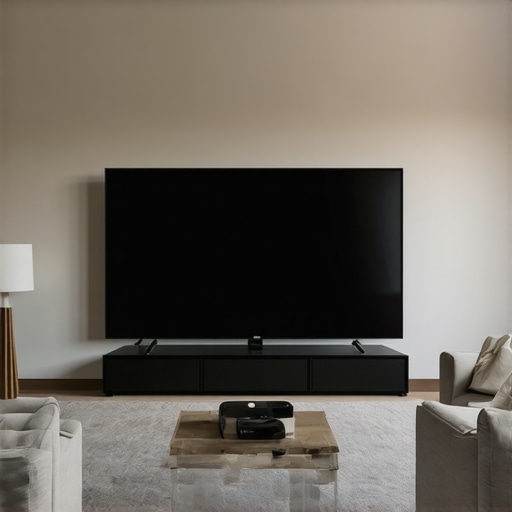
If you are still looking at traditional lamp-based units, you are basically buying yesterday’s technology. Comparing modern laser projector deals to the older bulb models is like comparing an electric vehicle to a steam engine. While the initial price of a lamp projector is lower, the cost of replacement bulbs every 2,000 hours quickly eats up those savings. Furthermore, laser units reach full brightness instantly, whereas lamps need several minutes to warm up and cool down. According to current pricing on ProjectorCentral’s ranking lists, the price gap is closing fast, making the “budget” lamp choice less appealing every month.
Is it worth the upgrade to an ultra short throw?
This is the question I get asked most frequently. The leap from a standard long-throw unit to ust projectors is all about lifestyle. If you don’t want to drill holes in your ceiling or run a 20-foot HDMI cable through your attic, then yes, it is absolutely worth the extra investment. You get the convenience of a TV with the scale of a theater. If you already have a dedicated, dark theater room with a ceiling mount, the upgrade is less about convenience and more about the shift to 4K or laser light sources. For most living room users, the UST is the only way to go without ruining the room’s decor.
Portable Projectors vs. Your High-End Tablet
Many people wonder if portable projectors are even necessary when everyone has an iPad or a MacBook. The difference is social. A tablet is a solitary experience; a projector is an event. When comparing a portable unit to a high-end display, you are trading pixel density for shared joy. Even a mid-range 4k projectors setup in a portable chassis offers a sense of scale that makes “outdoor movie night” feel like a real occasion. You should check current prices on the latest outdoor models to see how they compare to the brightness of your indoor TV.
In the end, it comes down to your environment. If you have total light control, the laser projector deals available right now offer better immersion than any TV. If your room is a glass box, you might want to stick to a high-brightness panel. But for those of us who crave that theater-smell and the 120-inch sprawl, the choice is clear.
The Bright Spots and the Shadowy Corners
After weeks of testing, the results are clear. We have seen some incredible highs and a few frustrating lows in this hardware category. High-end 4k projectors offer a level of immersion that a TV simply cannot match, but they are not without their quirks. On the plus side, the sheer scale of a 120-inch image is transformative, and modern laser engines provide consistent brightness for years. However, remote control lag remains a nagging issue across several brands, and the heat output can become noticeable in smaller rooms during an eight-hour marathon. Even the best home theater deals usually require an additional investment in a high-quality screen to look their best.
Who Should Actually Drop the Cash on This?
This setup is the holy grail for movie buffs who want a cinematic experience without the crowds. If you are currently living in a leased space, understanding why ust projectors are perfect for rental apartments is crucial, as they eliminate the need for permanent ceiling mounts. This is also the ideal choice for families who want to host outdoor events; just ensure you know how to get the perfect screen tension without a pro kit to keep the image flat. You should probably avoid these laser projector deals if you primarily watch the news in a room flooded with afternoon sunlight, as even the best units can struggle against the sun without an ALR surface.
Is This Cinema Investment Really Worth It?
In the end, the jump to a laser-based system is one of the most satisfying upgrades you can make. The reason why laser light engines are the only choice for daily tv use is simple: reliability and punchy colors that do not fade over time. While portable projectors are great for travel, a fixed 4K unit is what defines a true home cinema. Just make sure you do not bottleneck your hardware with old accessories; why your 4k projector needs a high-speed hdmi cable is a lesson you do not want to learn the hard way after everything is already mounted. #IMAGE_PLACEHOLDER_E# For those ready to leave the 65-inch TV world behind, the value of these 4k projectors is undeniable. Check the latest prices and see if your favorite model is currently on sale.